


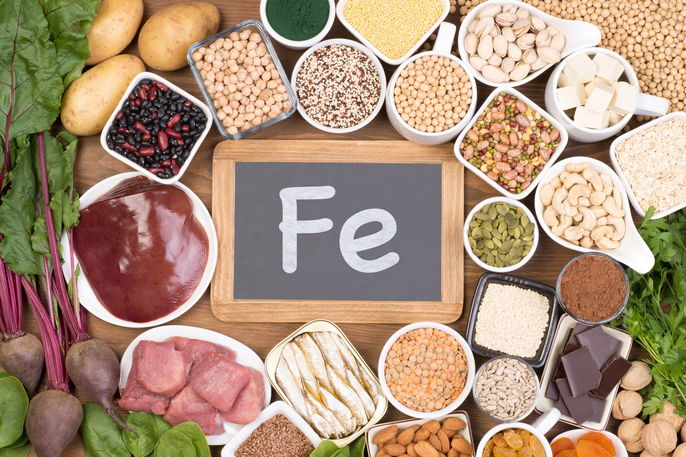
How to increase iron levels starts with eating more iron-rich foods, including animal-based foods like beef, chicken, and fish. Plant-based foods, such as black beans, chickpeas, beets, and spinach, can also help increase iron intake.
It is also recommended to eat acidic fruits, such as oranges, lemons, and acerola cherries. These fruits are rich in vitamin C, which helps the body absorb iron from both foods and supplements.
These tips help increase hemoglobin production in the blood, which is usually low in people with anemia. However, to treat anemia, it is also important to follow your doctor’s recommendations, which may include iron supplements.
Tips to improve iron absorption
Some simple tips that can help increase iron levels include:
1. Eating iron-rich foods
Iron-rich foods are mainly animal-based foods, such as beef, chicken, eggs, and liver. Some plant-based foods, such as beets, beans, and lentils, are also good sources of iron.
These foods can be included throughout the day. Snack options may include hard-boiled eggs, a turkey sandwich, or leftovers such as grilled chicken.
2. Including acidic fruits with meals
Iron from plant-based foods, such as beans, chickpeas, and beets, is known as nonheme iron. According to the NIH Office of Dietary Supplements, vitamin C can enhance nonheme iron absorption, which is why it can be helpful to include vitamin C-rich acidic fruits with meals.
A good tip is to drink lemon or passion fruit juice with meals, or to eat fruits like oranges or guava for dessert. You can also make juices that are rich in iron and vitamin C, such as pineapple and parsley juice.
3. Avoiding foods that reduce iron absorption
Calcium-rich foods, such as milk, cheese, and yogurt, reduce iron absorption in the intestine and should be avoided during main meals, such as lunch and dinner.
Alcoholic drinks, soft drinks, coffee, black tea, green tea, yerba mate tea, and chocolate should also be avoided, as they can also reduce iron absorption.
4. Consuming probiotics
Consuming probiotic foods, such as kefir, plain yogurt, and kombucha, is a good option to help increase iron levels. These foods contain good bacteria that help maintain a healthy gut microbiota, which supports iron absorption.
5. Taking iron supplements
According to the NIH Office of Dietary Supplements, iron supplements may be recommended to prevent or treat iron deficiency and iron-deficiency anemia when dietary intake alone is not sufficient.
Iron supplements may come in tablet or injectable form and should only be used when recommended by a healthcare provider.
