


- Simple strategies like getting up and moving, taking a short nap, or spending time outdoors may help you stay awake.
- Good sleep habits are the best way to prevent daytime sleepiness, while caffeine should be used in moderation.
- Persistent daytime sleepiness may be a sign of an underlying sleep disorder and should be evaluated by a healthcare provider.
How to stay awake naturally may involve simple strategies such as getting up and moving, taking a short nap, spending time outdoors, or changing your surroundings. These approaches may temporarily increase alertness and help reduce daytime sleepiness without relying on caffeine.
Other ways to stay awake include eating a healthy snack, taking deep breaths, talking to another person, or using caffeinated foods and drinks in moderation when needed. A healthcare provider may also prescribe medication for excessive daytime sleepiness caused by certain sleep disorders.
Getting enough quality sleep each night remains the most effective way to prevent daytime sleepiness. How to stay awake also depends on maintaining healthy sleep habits, using caffeine safely, and recognizing when persistent sleepiness may require evaluation by a healthcare provider.
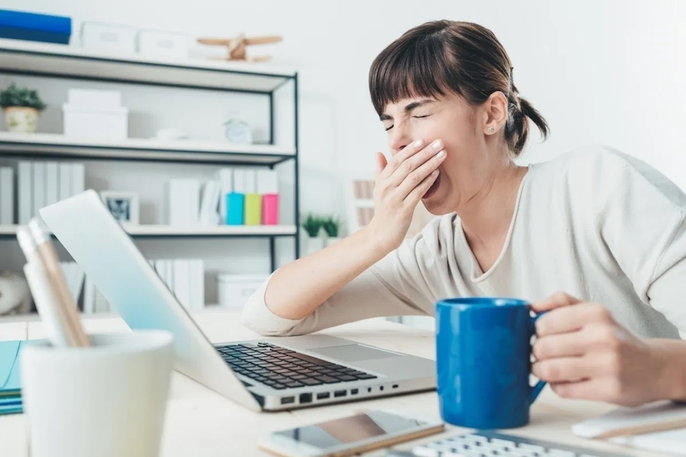
How to wake yourself up
Here are some natural ways to stay awake and feel more alert:
1. Get moving
Physical activity can provide a temporary energy boost and help you feel more awake. Try getting up every 30 minutes to stretch, touch your toes, or do a few push-ups.
2. Go outdoors
When you feel very sleepy at work, during a meeting, or while studying, step outside for a few minutes. Walking in a patio, balcony, terrace, or park may help clear your mind before you return to your activity.
3. Take a quick 15-minute nap
People who do not get enough sleep at night may benefit from a 15-minute nap during their lunch break or commute.
Although a short nap does not replace restful nighttime sleep, it may help restore energy and improve focus. Aim for 15 to 30 minutes, as longer naps may lead to deeper sleep and make it harder to wake up.
Shift workers, including healthcare professionals, police officers, firefighters, and security guards, are more likely to experience daytime sleepiness. They should rest or sleep whenever possible.
4. Change your environment
Comfortable surroundings can make you feel even sleepier, especially if you are sitting or lying in a relaxed position in a quiet, warm room.
To stay more alert, play music, open a window for fresh air, or move to a less relaxing place. Avoid working or studying in bed.
5. Eat a healthy snack
Eating small, healthy snacks while working or studying may also help reduce sleepiness. Some examples include:
-
1 avocado with walnuts or oats
-
1 serving of yogurt with cereal
-
1 avocado smoothie
These snacks contain antioxidants and healthy fats that support normal brain function. They may help maintain energy while working or studying.
6. Take 10 deep breaths
Deep breathing may help you feel more alert by encouraging slower, fuller breaths.
Inhale deeply through your nose, hold your breath for 2 seconds, and exhale slowly through your mouth. Repeat up to 10 times.
You can also try alternate-nostril breathing:
- Close one nostril with your index finger and inhale through the other nostril.
- Hold your breath, switch sides, and exhale through the opposite nostril.
- Inhale through that same nostril, then switch sides again.
This technique may help you feel temporarily more awake and focused.
7. Choose a stimulating food or drink
If other strategies are not enough, a caffeinated food or drink may temporarily help you feel more awake. Options include:
- Coffee
- Guarana powder
- Green tea
- Dark chocolate
These foods and drinks contain caffeine or other compounds that may temporarily increase alertness. Read more about foods that give you energy and how to include them in your diet.
Caffeinated products should be consumed in moderation, as too much caffeine can cause side effects and interfere with sleep.
8. Talk to another person
Talking for a few minutes with a coworker or someone on the phone may help stimulate the brain and make you feel more awake. When possible, talk about a subject that is interesting or entertaining.
9. Take a shower
Taking a cold or cool shower after waking may help you become alert more quickly, especially if you went to bed later than usual.
Cool water may help activate the body and mind, making it easier to feel energized and complete daily activities.
10. Listen to music
Listening to music may help improve your mood and energy during long periods of work or study.
Upbeat music, in particular, may help stimulate the body and reduce sleepiness.
11. Get morning sunlight
Spending time in natural light in the morning helps regulate your circadian rhythm, which can improve alertness and reduce daytime sleepiness.
If natural sunlight is limited, a 10,000-lux light therapy lamp may help improve alertness, especially in people with seasonal affective disorder.
The effects may be more noticeable when light exposure is part of a consistent daily routine. Even occasional exposure may temporarily help you feel more awake.
12. Splash cold water on your face
Some studies suggest that splashing cold water on the face may indirectly increase alertness or temporarily reduce sleepiness.
Exposing the face to cold water may cause physical and brain responses associated with increased alertness and activation of the body.
Medications for excessive sleepiness
Medications may be prescribed for excessive daytime sleepiness caused by diagnosed sleep disorders, such as obstructive sleep apnea (OSA), narcolepsy, or circadian rhythm disorders. These medications should only be used under the supervision of a healthcare provider.
Depending on the diagnosed condition, a doctor may prescribe medications such as armodafinil, methylphenidate, or sodium oxybate.
Melatonin and benzodiazepine-receptor agonists may be used for certain nighttime sleep or circadian rhythm problems, but they are not medications for staying awake and may cause drowsiness.
Are caffeine pills good for staying awake?
Caffeine pills or supplements may temporarily increase alertness and reduce sleepiness. However, they should be used cautiously because caffeine levels can vary between products.
Too much caffeine can cause headaches, nervousness, a rapid or irregular heartbeat, and difficulty sleeping. Avoid combining caffeine supplements with large amounts of coffee, energy drinks, guarana, or other caffeine-containing products.
According to the US Food and Drug Administration (FDA), pure or highly concentrated caffeine can cause serious health effects, including seizures and death. Toxic effects may occur after rapidly consuming about 1,200 mg of caffeine, which can be less than half a teaspoon of pure caffeine.
Supplements for energy and alertness
Some products marketed to support energy or alertness include green tea, ginseng, maca, and Rhodiola rosea. Ginger is also available as a food, tea, or dietary supplement, although it is not considered a stimulant.
In the United States, these products may be sold as foods, beverages, or dietary supplements, but they are not FDA-approved treatments for excessive sleepiness. Dietary supplements may cause side effects or interact with medications, so talk to a healthcare provider before using them.
How to prevent daytime sleepiness
The best way to prevent daytime sleepiness is to follow a consistent sleep schedule and get enough rest each night. According to the CDC, adults ages 18 to 60 should get at least 7 hours of sleep per night, while older adults may need between 7 and 9 hours, depending on their age.
Use your wake-up time to estimate when you should go to bed:
A sleep calculator is only a general guide. It cannot diagnose a sleep disorder or replace an evaluation by a sleep specialist or primary care provider.
How to sleep better
Some tips for sleeping better at night include:
-
Avoid using a computer or watching television for at least 2 hours before bedtime.
-
Sleep in a quiet and comfortable room. Earplugs may be helpful if your surroundings are very noisy.
-
Eat your last meal at least 1 hour before going to bed to help prevent indigestion.
-
Avoid thinking about too many things at bedtime. Focus on calm, relaxing thoughts and try to set your worries aside.
-
Avoid foods and drinks containing caffeine in the afternoon and evening.
Certain health conditions may also interfere with sleep, including insomnia, restless legs syndrome, obesity, obstructive sleep apnea, narcolepsy, and sleepwalking.
In these cases, medical evaluation is recommended. Treating the underlying cause may improve sleep quality and help prevent daytime sleepiness.
