


- Probiotic foods may help support digestion and maintain a healthy gut microbiota.
- Common probiotic foods include yogurt, kefir, kombucha, sauerkraut, kimchi, miso, tempeh, natto, cheese, and fermented pickles.
- Many probiotic foods also provide nutrients such as protein, calcium, B vitamins, vitamin K, fiber, and minerals.
Probiotic foods contain beneficial bacteria and yeasts that may help support digestion and maintain a healthy gut microbiota. Common options include yogurt, kefir, kombucha, sauerkraut, miso, tempeh, natto, kimchi, cheese, and fermented pickles.
Many probiotic foods also provide important nutrients, including protein, calcium, B vitamins, vitamin K, fiber, and minerals. Their specific benefits can vary depending on the type of food and the microorganisms it contains.
Including probiotic foods regularly as part of a balanced diet may help support normal digestive function and overall health. Some options, such as sauerkraut and fermented pickles, can be high in sodium, while others may vary in the amount of live microorganisms they provide.
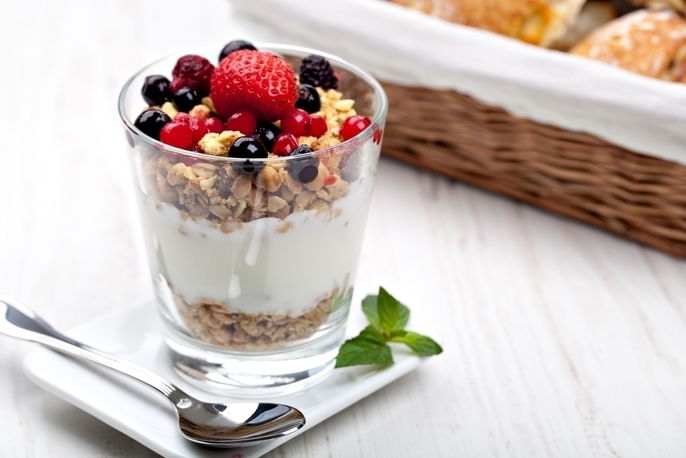
Food list
The main probiotic foods that can be beneficial for health include:
1. Yogurt
Yogurt is a probiotic food with a mildly tart flavor that is made from fermented milk. It may also contain fruit or other added ingredients.
It is rich in protein, vitamins, and minerals and can contain Lactobacillus and Bifidobacterium, which are beneficial microorganisms ("good bacteria").
Benefits: According to the National Institute of Arthritis and Musculoskeletal and Skin Diseases (NIAMS), yogurt is a good source of calcium, a mineral the body needs to build and maintain strong bones and teeth.
How to include it in your diet: Yogurt can be eaten every day and is widely available in stores. Choose plain varieties without added sugar, artificial colors, or added flavors whenever possible.
Keep yogurt refrigerated and enjoy it at breakfast or as a morning or afternoon snack. You can pair it with fruit for added fiber, which may also help you feel full for longer.
2. Kefir
Kefir is a creamy fermented drink with a tangy flavor. It contains calcium and B vitamins and can help support a healthy gut microbiota.
Benefits: Kefir contains beneficial microorganisms and may be easier to digest than regular milk, especially for people with lactose intolerance.
It may also help balance the gut microbiota and support normal bowel function in people with diarrhea or constipation.
Kefir also contains compounds with antioxidant and anti-inflammatory properties that may help support the body's natural defenses.
How to include it in your diet: Kefir can be found in health food stores, restaurants, cafés, and some supermarkets. Different varieties are available, including products made from cow's milk, goat's milk, or fruit-based beverages.
Kefir grains can also be purchased or obtained from someone who already makes kefir if you want to prepare it at home.
3. Kombucha
Kombucha is a fermented drink made with green tea or black tea and sugar. It usually has a slightly sweet, tart, and refreshing flavor.
This drink contains microorganisms produced during fermentation and may help support a healthy gut microbiota.
Benefits: Kombucha may help support digestive health and normal immune function.
Some studies suggest that kombucha may also have antioxidant and metabolic effects. However, more research is needed to better understand these potential benefits.
How to include it in your diet: Kombucha is commonly sold in health food stores, restaurants, cafés, and supermarkets. Flavors vary depending on the fruits, herbs, or spices added to the drink.
Kombucha can be consumed with meals or at other times of the day.
4. Sauerkraut
Sauerkraut is a fermented food made from cabbage and salt and usually has a sour flavor.
It can contain Lactobacillus bacteria, minerals, and vitamins A, B, C, and K. It is also generally low in calories.
Benefits: Sauerkraut may support digestion and normal bowel function, helping prevent constipation.
Some studies suggest that regularly eating fermented foods such as sauerkraut may also support a healthy gut microbiota.
How to include it in your diet: Sauerkraut can be added to salads, sandwiches, and other prepared dishes.
Because it can be high in sodium, it is best consumed in moderate amounts.
5. Miso
Miso is a traditional Japanese food made by fermenting soybeans with salt and koji, a type of fungus. Depending on the variety, barley, rice, or rye may also be used.
The fermentation process creates a paste that is commonly used to flavor soups. Miso is rich in protein, vitamin K, manganese, zinc, and copper.
Benefits: Miso may help support digestive health and a healthy gut microbiota because it is a fermented food.
How to include it in your diet: Miso is commonly used as a base for miso soup, which may also contain seaweed, mushrooms, onions, and squash.
Miso soup can be served as an appetizer with lunch or dinner.
6. Tempeh
Tempeh is another fermented soybean food. After fermentation, the soybeans are pressed into a firm cake.
Tempeh is traditionally used in Indonesian cuisine and is also common in vegetarian diets. It is rich in protein and may contain beneficial microorganisms.
Benefits: Tempeh may support digestive health and provide nutrients such as protein, fiber, vitamins, and minerals. It also contains antioxidant compounds that may contribute to overall health.
How to include it in your diet: Tempeh can be baked, grilled, or cooked over a flame. It can be served as an appetizer, snack, or main dish.
7. Natto
Natto is made from cooked soybeans fermented with Bacillus subtilis bacteria.
Benefits: Natto may help support digestive health and nutrient intake. It is also rich in vitamin K2, which plays an important role in bone health.
Fermented soy foods may also have beneficial effects on cardiovascular and metabolic health when included as part of a balanced diet.
How to include it in your diet: Natto is commonly eaten with cooked rice and may be seasoned with onions, cilantro, or green onions. It is often eaten for breakfast in Japan.
8. Kimchi
Kimchi is a fermented food made from vegetables and salt. It is most commonly prepared with cabbage, radish, red pepper powder, garlic, ginger, anchovies or fish sauce, sugar, onions, and salt.
It is rich in vitamin C, B vitamins, minerals, and fiber and is generally low in calories.
Benefits: Kimchi may help support normal bowel function and a healthy gut microbiota. It also contains antioxidant compounds that help protect cells from damage caused by excess free radicals.
How to include it in your diet: Kimchi is often prepared at home and served as a side dish with meals.
To prepare it, the cabbage is washed and salted before being combined with the other ingredients. The mixture is then fermented under appropriate conditions and refrigerated.
9. Cheese
Some cheeses, such as cheddar and mozzarella, may contain live bacteria that survive the cheese-making and aging process, depending on how the cheese is produced.
Benefits: Cheeses that contain live cultures may contribute beneficial bacteria to the diet.
Cheese is also rich in nutrients such as vitamin B12, calcium, phosphorus, and selenium, which are important for bone and overall health.
How to include it in your diet: Cheddar or mozzarella can be eaten as part of a balanced diet, such as at breakfast or as an afternoon snack.
10. Fermented pickles
Fermented pickles are made by naturally fermenting cucumbers in a saltwater brine. This process gives them a sour flavor and can provide beneficial probiotic bacteria.
They may also provide vitamin K and are generally low in calories.
Benefits: Naturally fermented pickles may help support digestive health because they can contain beneficial bacteria.
How to include it in your diet: Fermented pickles can be added to salads or sandwiches. According to the American Heart Association, pickles can be a significant source of sodium, so they should be consumed in moderation and lower-sodium options can be chosen when available.
