


High-fiber foods for constipation, such as prunes, papaya, oats, oranges, pumpkin, and chia seeds, can help relieve constipation by adding bulk to stool and making it easier to pass. Many of these foods also contain water, which helps soften stool and support regular bowel movements.
Including foods for constipation as part of a balanced diet may help improve bowel regularity and reduce future episodes of constipation. Drinking 1.5 to 2 liters of water per day can also help keep stool hydrated and easier to pass through the intestines.
Fruits, vegetables, whole grains, seeds, and plain yogurt can all support healthy bowel function when eaten regularly. Some of these foods can also be introduced to babies from about 6 months of age as part of complementary feeding.
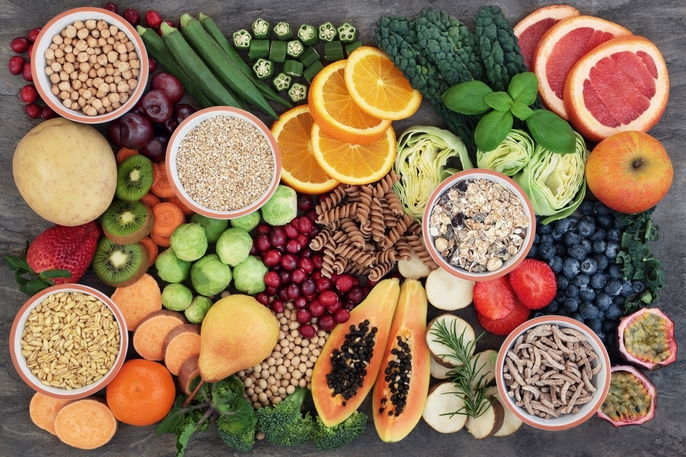
Foods for constipation relief
Foods with natural laxative properties that can help relieve constipation are:
1. Prunes
Prunes are rich in fiber, which helps add bulk to stool and supports regular bowel movements. They can also help soften stool and make it easier to pass.
According to a 2021 study published in The American Journal of Gastroenterology, eating prunes helped increase bowel movement frequency, improve stool consistency, and reduce straining in adults with chronic constipation.
How to eat: prunes without added sugar can be eaten daily. A serving of up to 2 prunes per day is recommended.
2. Papaya
Each 100 g serving of papaya contains about 2 g of fiber, as well as magnesium, a mineral that helps stimulate bowel movements. Papaya also contains plenty of water, which helps soften stool and relieve constipation.
How to eat: the recommended serving is ½ small papaya or 1 small slice of a large papaya per day. It can be eaten fresh for breakfast or as a morning or afternoon snack, or added to fruit salads, juices, and smoothies.
3. Oats
Oats are rich in beta-glucan, a type of soluble fiber with prebiotic properties. This fiber feeds beneficial gut bacteria, helping balance the gut microbiome and regulate bowel function.
How to eat: to help relieve constipation, eat 1 tablespoon of rolled oats per day. Oats can be used to make oatmeal or added to fruit or yogurt.
4. Plain yogurt
Plain yogurt is a probiotic food because it contains beneficial bacteria, including Bifidobacterium and Lactobacillus. These bacteria help balance the gut microbiome and support healthy bowel function.
How to eat: choose plain yogurt without added colors, sugar, or sweeteners whenever possible. It can be eaten once a day with fruit, oats, or seeds for breakfast or as a morning or afternoon snack.
5. Oranges
Oranges contain plenty of water, which helps soften stool and makes it easier to move through the intestines. The pulp is also rich in fiber, which adds bulk to stool and helps relieve constipation.
How to eat: oranges should be eaten whole, including the pulp, to provide the most fiber. One orange per day can be eaten after lunch or dinner.
6. Pumpkin
Pumpkin is rich in fiber and water, which help add bulk and moisture to stool and improve intestinal transit.
How to eat: pumpkin can be roasted or added to soups, stews, and salads throughout the week. It can also be alternated with other fiber-rich vegetables that help support regular bowel movements.
7. Seeds
Seeds such as chia, flaxseed, sunflower, and sesame are rich in fiber, which helps add bulk to stool and supports regular bowel movements.
According to the National Institute of Diabetes and Digestive and Kidney Diseases, adults generally need 22 to 34 g of fiber per day, depending on their age and sex.
Chia and flaxseeds also provide omega-3 fatty acids, which may help maintain healthy bowel function.
How to eat: the recommended serving may vary, but 1 tablespoon per day is generally recommended. Seeds can be added to salads, yogurt, or fruit.
8. Leafy green vegetables
Leafy green vegetables, such as spinach, Swiss chard, arugula, lettuce, and collard greens, are rich in fiber and can help relieve constipation. When eaten raw, they also provide plenty of water, which helps make stool easier to pass.
How to eat: leafy green vegetables can be eaten every day at lunch and dinner, preferably raw when possible, such as in salads or juices. They can also be sautéed or added to stews.
9. Legumes
Legumes such as beans, chickpeas, lupini beans, and lentils contain soluble fiber that promotes stool formation and helps relieve constipation. They also provide magnesium, an important mineral that helps stimulate bowel movements.
How to eat: thesuggested daily intake is 3 to 6 tablespoons of cooked legumes, eaten in broths, soups, or salads at lunch and dinner.
10. Whole grains
Natural whole grains such as brown rice, whole wheat, and quinoa contain high amounts of insoluble fiber that increase stool volume and stimulate peristaltic movements in the intestines, helping relieve constipation.
How to eat: wholegrains such as brown rice, whole wheat bread, quinoa, or amaranth can be eaten daily at breakfast, lunch, and dinner.
Meal plan
The table below shows an example of a 3-day meal plan using laxative foods to help relieve constipation.
This meal plan is only an example and can be adjusted based on individual health needs and food preferences. A registered dietitian can provide a complete assessment and create a personalized meal plan.
In addition, it is important to drink about 1.5 to 2.0 liters of water per day to keep stool hydrated, help relieve constipation, and reduce the risk of it returning.
Constipation in babies
Foods to help relieve constipation in babies can be introduced starting around 6 months of age. These include:
-
Fruits, such as papaya, oranges, avocado, grapes, kiwi, melon, figs, plums, watermelon, mango, and pineapple
-
Vegetables, such as pumpkin, chicory, tomatoes, cucumber, collard greens, spinach, sweet potatoes, green beans, and leafy green vegetables
-
Whole grains, such as rolled oats, brown rice, whole-wheat pasta, and corn
According to the CDC, plain yogurt without added sugar can be introduced before 12 months, once the baby has started eating complementary foods at about 6 months. It contains probiotics that help balance the gut microbiome and may help relieve constipation.
