


Lentils benefits include their rich supply of protein, fiber, and essential nutrients such as iron and folate. These nutrients make lentils valuable for building muscle, reducing cholesterol levels, and maintaining consistent energy throughout the day.
Other benefits include supporting weight management, as the fiber in lentils slows digestion and helps reduce hunger between meals. Their fiber can also ease constipation and promote healthy blood sugar levels when part of a balanced diet.
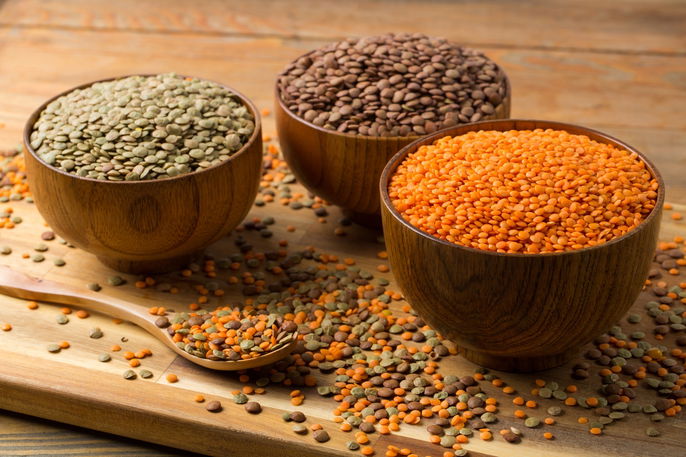
The benefits of lentils can vary slightly depending on the type (green, red, brown, black, yellow, or orange) as each cooks differently and suits a variety of dishes. They’re easy to incorporate into soups, salads, rice, and stews, making them a versatile choice for both heart-healthy and high-protein meal plans.
Health benefits
The main benefits of lentils include:
1. Promoting muscle gain
Lentils are rich in protein and can support muscle growth, especially when paired with grains like rice, pasta, or quinoa. Combining lentils with these foods provides all the essential amino acids needed to build and maintain muscle.
Also recommended: 16 Best Muscle-Building Foods to Gain Mass (w/ 3-Day Meal Plan) tuasaude.com/en/muscle-building-foodsLentils are also a good source of iron, a mineral essential for transporting oxygen in the blood. Adequate iron intake can support better physical performance and contribute to muscle growth.
2. Lowering cholesterol levels
Lentils can help lower blood cholesterol levels because they contain both soluble and insoluble fiber. According to the American Heart Association (AHA), dietary fiber can help lower cholesterol and may also support weight management by helping people feel fuller while consuming fewer calories.
The high fiber content reduces fat absorption in the gut and promotes bile secretion, which in turn helps limit cholesterol production in the liver.
3. Supporting weight loss
Because legumes are rich in fiber and slow down digestion, they can support weight loss by helping you feel full for longer and reducing your appetite.
However, successful weight loss also requires maintaining a healthy, lower-calorie diet and staying physically active on a regular basis. According to the Centers for Disease Control and Prevention (CDC), weight loss occurs when a calorie deficit is created by using calories through physical activity combined with reducing the calories eaten.
Also recommended: How Many Calories Should I Eat a Day to Lose Weight? tuasaude.com/en/how-many-calories-should-i-eat-a-day4. Preventing anemia
Lentils can help prevent anemia because they are rich in iron, an essential mineral for producing hemoglobin, the protein in red blood cells that carries oxygen from the lungs throughout the body.
They are also a good source of folic acid, a vitamin that supports the formation of healthy blood cells.
5. Relieving constipation
Lentils are rich in fiber, which adds bulk to stool and promotes regular bowel movements, making them an effective food for constipation.
6. Boosting immunity
Lentils are high in protein, a nutrient essential for the production of immune cells. By supporting this process, eating lentils can help strengthen the immune system and reduce the risk of diseases and infections.
7. Relieving PMS and menopause symptoms
Lentils contain lignans and isoflavones, bioactive compounds that mimic the effects of estrogen in the body. Because of these properties, eating lentils may help regulate female hormones and ease PMS or menopause symptoms, such as hot flashes and mood swings.
8. Supporting heart health
Lentils can help promote and maintain heart health because they naturally contain isoflavones and polyphenols, bioactive compounds with antioxidant properties that help lower blood cholesterol and triglyceride levels, reducing the risk of conditions such as atherosclerosis and heart attack.
Furthermore, the bioactive compounds in lentils help block angiotensin I, an enzyme that contributes to fluid retention and elevated blood pressure.
9. Preventing diabetes
Lentils can play a role in preventing diabetes, as they are a high fiber food that slows down the absorption of carbohydrates. This can help to regulate blood sugar levels and prevent insulin resistance.
10. Protecting against osteoporosis
Lentils contain isoflavones, compounds that can stimulate hormones involved in calcium absorption, helping strengthen bones. As a result, eating lentils may help reduce bone loss and lower the risk of osteoporosis.
11. Preventing cancer
Lentils may help lower the risk of intestinal cancer because they’re rich in fiber that nourishes beneficial gut bacteria. This supports the body’s natural defenses and promotes healthy intestinal function.
The lignans, polyphenols, and saponins found in lentils have antioxidant and anti-inflammatory properties that help combat free radicals and may reduce the risk of developing prostate and breast cancer.
Do lentils contain lithium?
Lentils naturally contain small amounts of lithium, which means they may help complement medical treatment for conditions such as depression, anxiety, and bipolar disorder.
However, more human studies are needed to determine whether the lithium found in foods can effectively prevent or treat these mental health conditions.
Can lentils lead to weight gain?
Lentils are rich in fiber and digest slowly, which helps reduce appetite and keeps you feeling full for longer. They are also low in fat, making them an excellent choice to include in a weight loss diet.
However, when legumes are eaten with high-calorie foods such as fritters, sausage, or bacon, they can contribute to weight gain.
Nutrition facts
The following table provides nutritional information for a 100 g (5 Tbsp) serving of lentils:
How to cook
To cook lentils, start by rinsing them in water then soaking them in a bowel of fresh water for 8 to 12 hours.
Discard the water, place the lentils in a pot, and add enough water to cover them. Red lentils only require 5 minutes of cooking time, while other colors require around 20 minutes.
Do lentils need to be soaked?
Lentils should be soaked because they contain anti-nutritional compounds such as phytates, phytic acid, and tannins. When eaten in large amounts, these substances can cause gas and interfere with the absorption of protein, iron, and other nutrients.
In addition, lentils must be cooked before eating, as cooking further reduces these anti-nutritional factors.
Contraindications to consider
People with irritable bowel syndrome should avoid lentils because they contain carbohydrates that are hard to digest and may cause bloating, gas, and diarrhea.
Lentils can also increase gas production, leading to abdominal pain and cramping. For this reason, individuals with diarrhea or ulcerative colitis are advised to avoid them.
Also recommended: Foods That Cause Gas: Complete Food List (& What to Eat Instead) tuasaude.com/en/foods-that-cause-flatulenceHealthy recipes
Some healthy and tasty recipes using lentils include:
1. Lentil soup
Ingredients:
- 1 cup of soaked lentils;
- 1 onion, chopped;
- 1 medium potato, peeled and cut into cubes;
- 2 cloves of garlic, chopped;
- ½ cup of grated carrot;
- 4 cups of water;
- 2 tablespoons of olive oil;
- 2 bay leaves;
- Salt and black pepper to taste.
Directions
Add 1 tablespoon of olive oil to a pot along with the onion and salt, then heat over medium heat. Sauté for about 3 minutes, or until the onion turns golden. Next, add the remaining olive oil, bay leaves, cumin, and carrot, and cook for another 3 minutes.
Add the water, lentils, potatoes, and black pepper. Stir well and increase the heat. When the mixture begins to boil, reduce the heat and simmer for about 15 minutes, or until the potatoes and lentils are tender. Remove from the heat and serve right away.
2. Lentil rice
Ingredients:
- 1 cup of soaked lentils;
- 2 cups of rice (rinsed in water);
- 1 tablespoon of olive oil;
- 2 cloves of garlic, chopped;
- 3 cups of water;
- 1 bay leaf;
- Salt and black pepper to taste.
Directions
Heat the olive oil in a pot over medium heat and sauté the garlic cloves for 2 minutes. Add the rice and lentils, then cook for another 3 minutes while stirring.
Pour in the water, add the salt, bay leaf, and black pepper, and mix everything well. Cover the pot and cook until the rice and lentils are tender, adding more water if needed during cooking.
3. Lentil and potato salad
Ingredients:
- 100g of soaked lentils;
- 450 g of potatoes, peeled and cut into cubes;
- 1 medium onion, chopped;
- 1 tablespoon of olive oil;
- 2 tablespoons of balsamic vinegar;
- Salt and pepper to taste.
Directions
Place the lentils in a pot and cover them with water. Cook for about 20 minutes, or until tender, then drain and set aside.
In a separate pot, boil the potatoes for about 10 minutes, or until they are al dente. Drain and transfer the potatoes to a serving platter. Add the onions, lentils, oil, vinegar, salt, and pepper. Mix well and serve.