


Lymphadenopathy describes the enlargement or swelling of lymph nodes as a result of an infection or inflammation in the area. It can also be a symptom of cancer or an autoimmune disease. This condition can present as just one or several small, soft lumps felt under the skin. They may range in discomfort and can last for 3 to 30 days.
Lymphadenopathy most commonly affects the neck, groin or armpits, but can also appear anywhere on the body. Lymph nodes are scattered in a coordinated system throughout the body, and are an essential part of immunity that help to filter harmful pathogens and fight infections.
Generally, lymphadenopathy improves within a few days, however, if swollen lymph nodes continue developing in other areas of the body, or if this condition presents with symptoms like weight loss or night sweats, you should see a doctor for further assessment and treatment as needed.
Common symptoms
The main symptoms of lymphadenopathy include:
- A lump under the skin, which can range from 0.5 cm to 1 cm in size
- A soft lump that moves when touched
- Increased sensitivity in the area of the lump
- Pain, which usually occurs when there is inflammation or infection of the lymph node
- A lump in the neck or jaw, sore throat or runny or blocked nose, due to infections in the upper respiratory system
- Lumps in various areas of the body, in cases of systemic infection or autoimmune diseases.
In cases of cancer, several lumps can usually appear. These tend to increase in size over time and are firm upon palpation. Other signs of lymphadenopathy from cancer include night sweats, weight loss, fever or itchy skin.
It is important to consult a general practitioner or infectious disease specialist if you notice symptoms of lymphadenopathy
Confirming a diagnosis
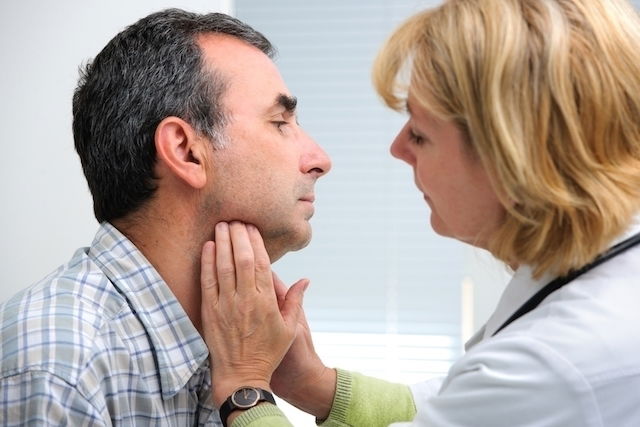
A lymphadenopathy diagnosis is confirmed by a general practitioner or infectious disease specialist who will start by assessing the location and size of any lumps. The doctor will palpate the lump to check whether it is hard and if it moves, while also evaluating surrounding skin.
In addition, the doctor will ask you questions about your health history, medication use, and lifestyle habits. Some tests can help to identify the underlying cause of the lymphadenopathy, like complete blood count, liver function tests, antibody testing infectious and other bloodwork to check for syphilis, HIV, or tuberculosis, for example.
Other diagnostic tests that the doctor may order include X-rays, CT scans of the chest, abdomen, or pelvis, and, in some cases, a biopsy of the affected lymph node.
Where it develops
The most common locations for lymphadenopathy to develop include:
The location of swollen lymph nodes can provide insight into the underlying cause of it.
Also recommended: Lump on the Back of My Neck: 9 Causes (& What To Do) tuasaude.com/en/lump-on-the-back-of-my-neckMain causes
The most common causes of lymphadenopathy include:
1. Skin inflammation
Any local inflammation can result in a reactive lymph node. The node swells when it is working to filter out excess bacteria, fluid or other substances from the area. It is common for lymph nodes to become swollen due to chemical skin irritations (e.g. from deodorant, small wounds (e.g. after hair removal), folliculitis, or an ingrown hair.
Inflammation that occurs in the airways or oral region, such as allergic rhinitis, pharyngitis, gingivitis or a tooth inflammation, for example, can particularly cause enlarged lymph nodes in the neck.
2. Infections
Any type of infection can cause a swollen lymph node. Some of the most common infections are a cold, flu, otitis, sinusitis, pharyngitis or any type of virus such as Zika or dengue. These infections usually result in swollen lymph nodes in the neck, nape, jaw or behind the ear.
Other types of infection, such as pneumonia and bronchitis, can also cause swollen lymph nodes in the armpit, while abdominal or genital infections (like gastroenteritis, genital HPV, syphilis, candidiasis, or bacterial vaginosis) and leg or foot injuries can cause swollen lymph nodes in the groin.
3. Autoimmune diseases
Diseases that interfere with the immune system can cause swollen lymph nodes. Some examples are lupus, arthritis, vasculitis and inflammatory bowel disease. Learn more about the most common autoimmune diseases and their associated symptoms.
4. Cancer
Swollen lymph nodes caused by cancer is more rare. They usually appear scattered throughout the body and are hard when palpated. These lymph nodes usually do not disappear within 1 or 2 months and do not stop growing. Any type of cancer can cause swollen lymph nodes, but some cancers that are most prone to the development of this swelling are lymphoma, breast cancer and lung cancer. Learn about other sign and symptoms of cancer.
5. Vaccination
Some vaccines, like the BCG vaccine, flu shot, shingles vaccine or the COVID-19 vaccine, for example, can cause a lump in the armpit. This is usually an immune system response following immunization, as the body is stimulated to produce antibodies as a side effect of the vaccine.
Also recommended: Common Side Effects of Vaccines (& What to Do) tuasaude.com/en/vaccine-side-effectsWhen to go to the doctor
A lump in the groin, neck or armpit can be concerning and indicate a more serious disease when:
- It is located in the arms or around the clavicle;
- It is spread throughout various parts of the body;
- It measures more than 2,5 cm;
- It is hard and does not move;
- It doesn’t improve after 1 month;
- It is accompanied by a fever that does not improve in 1 week, night sweats, weight loss or malaise.
If you experience any of these symptoms, you should see a doctor, who may order urgent bloodwork to assess for possible infection or inflammation in the body. If a diagnosis cannot be concluded from bloodwork, a biopsy of the lymph node may be requested, which will show if it has benign or malignant features.
Treatment options
Treatment for lymphadenopathy should be guided by a general practitioner or infectious disease specialist, and will depend on the underlying cause of the swollen lymph nodes.
To treat swollen lymph nodes, rest and hydration are generally recommended, in addition to identifying and eliminating the cause. A good home remedy is to drink eucalyptus tea and applying clay compresses, as these remedies can reduce general inflammation and strengthen your natural immunity.
However, if the lymph nodes are painful or sensitive, your doctor can prescribe analgesics or anti-inflammatories.
Infections that lead to lymphadenopathy can be treated with antibiotics, antifungals or antivirals. Swollen lymph nodes caused by cancer may require surgical removal of lymph nodes that contain malignant cells, followed by chemotherapy and/or radiation therapy.