


- Swollen lymph nodes that last more than 3 weeks, keep growing, or feel hard should be evaluated by a doctor.
- Swelling in multiple areas of the body may be linked to systemic infections, autoimmune diseases, or certain cancers.
- Fever, night sweats, fatigue, or unexplained weight loss with swollen lymph nodes may require medical testing.
Swollen lymph nodes are lymph nodes that have become enlarged in response to a nearby infection, injury, or inflammation. They may feel like small lumps under the skin and are most commonly noticed in the neck, jaw, armpits, groin, behind the ears, or at the back of the head.
Swollen lymph nodes are often caused by mild infections, such as a sore throat, tooth abscess, skin infection, urinary tract infection, or ear infection. Less commonly, they can be linked to autoimmune diseases, medication side effects, lymphoma, leukemia, or cancers that spread to nearby lymph nodes.
Most swollen lymph nodes improve once the underlying cause resolves. Medical evaluation may be needed if swelling lasts several weeks, increases in size, feels hard, or appears in multiple areas. Tests like blood work, imaging, or a biopsy may help guide treatment.
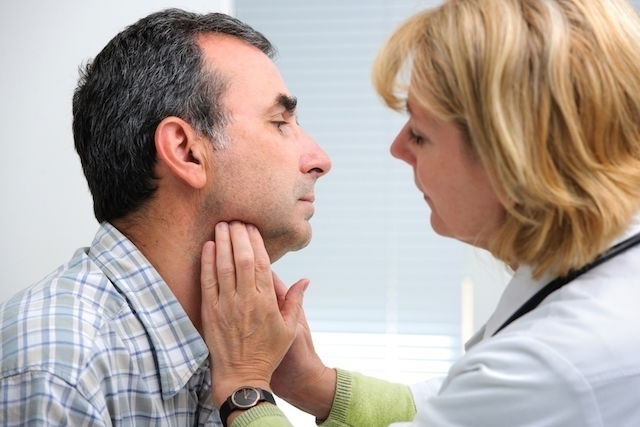
What causes swollen lymph nodes?
Lymph nodes can become swollen due to a local infection or injury, and should be assessed by a doctor to confirm the cause. About 80% of swollen lymph nodes in people under 30 are caused by local infections, although other causes are also possible:
1. Swollen lymph nodes in the neck or jaw
Lymph nodes in the neck can swell on one or both sides of the neck or under the jaw. This may feel or look like a small lump in these areas and can be a sign of:
- A tooth abscess
- A thyroid cyst
- Changes in the salivary glands
- Sore throat
- Pharyngitis or laryngitis
- A cut or bite in the mouth
- Mumps
- Ear or eye infection
In rare cases, swollen lymph nodes in the neck may also be a sign of a tumor in the throat, larynx, or thyroid.
2. Swollen lymph nodes in the groin
Lymph nodes in the groin can become swollen due to an infection or injury affecting the legs, feet, or genital area. Common causes include urinary tract infections (UTIs), sexually transmitted infections (STIs), or recent genital surgery.
In rare cases, swollen lymph nodes in the groin may be a sign of cancer in the genital area, such as vulvar, vaginal, or penile cancer.
Learn more about what can cause a groin lump and how it is treated.
3. Swollen lymph nodes in the armpit
Swollen axillary lymph nodes are most often caused by wounds or infections in the hands, arms, or armpit, such as an ingrown hair or boil.
However, this type of swelling can also be a sign of a more serious condition, such as lymphoma, especially when it occurs with fever, night sweats, or unexplained weight loss. Other possible causes include animal bites, brucellosis, sporotrichosis, and breast cancer.
Also recommended: Swollen Lymph Nodes in Armpit: 10 Causes (& How to Treat) tuasaude.com/en/swollen-lymph-nodes-in-armpitCancer is relatively uncommon, and an armpit lump is often caused by a benign condition such as a swollen lymph node, cyst, or lipoma. However, if the lump does not improve or keeps growing, it should be evaluated by a doctor.
Check out the most common causes of a lump in the armpit and how they are treated.
4. Swollen lymph nodes in the clavicle
Lumps above the clavicle may be caused by infections, lymphoma, or cancers in areas such as the lungs, breasts, neck, or stomach. A hard, fixed lymph node in the left supraclavicular area may be linked to gastrointestinal cancer and is known as a Virchow node.
5. Swollen lymph nodes throughout the body
Although lymph nodes more commonly swell in one specific area, they can sometimes become swollen throughout the body. This is usually linked to systemic conditions, such as:
-
Autoimmune diseases
-
Lymphoma
-
Leukemia
-
Secondary syphilis
-
Sarcoidosis
-
Hyperthyroidism
Swollen lymph nodes throughout the body can also occur as a side effect of certain medications, such as hydantoin, antithyroid drugs, or isoniazid.
6. Swollen lymph nodes in the back of the head
Small lumps on the back of the head may be caused by scalp infections, rubella, or insect bites. Although rare, this type of lump can also be linked to cancer.
7. Swollen lymph nodes near the ears
Swollen lymph nodes near the ears may be caused by infections such as rubella, conjunctivitis, or an eyelid infection.
When can swollen lymph nodes be cancer?
Swollen lymph nodes are usually a sign of infection. However, in some cases, they can be related to cancer. The only way to confirm the cause is through a medical evaluation, which may include blood tests, a CT scan, or a biopsy.
A doctor can assess swollen lymph nodes by checking their size, texture, tenderness, and whether they move under the skin or feel fixed in place. Hard, painless, or fixed lymph nodes may need further testing, especially if they last for more than 6 weeks or appear in several areas of the body.
According to the National Cancer Institute, swollen lymph nodes that occur with fever, night sweats, unexplained weight loss, or fatigue may be signs of lymphoma.
Age is also an important factor, as the risk of cancer is higher in people over 50. If cancer is suspected, the doctor may request a fine-needle aspiration biopsy to check for cancer cells.
Conditions that can cause cancer-related swollen lymph nodes include lymphoma, leukemia, breast cancer, lung cancer, kidney cancer, prostate cancer, skin cancer, head and neck cancer, gastrointestinal cancers, and germ cell tumors.
When to see a doctor
Most cases of swollen lymph nodes do not require treatment, as they often improve within one week. However, medical evaluation is recommended if you notice any of the following:
- Lymph nodes remain swollen for more than 3 weeks
- The swollen lymph node is not painful to the touch
- The lump increases in size over time
- Unexplained weight loss occurs
- Other symptoms appear, such as fever, fatigue, or night sweats
- Swollen lymph nodes appear in multiple areas of the body
In these cases, the doctor may order tests, such as blood work, to help identify the cause. Treatment will depend on the underlying condition and which lymph nodes are affected.
