


- Immediate medical attention is required for pain that is sudden, very strong, localized to a specific spot, or worsens over time.
- You should go to the hospital if the pain is accompanied by fever, difficulty breathing, or vomiting and diarrhea that does not resolve.
- It is important to seek help if you experience high blood pressure, tachycardia, cold sweats, or a general feeling of malaise.
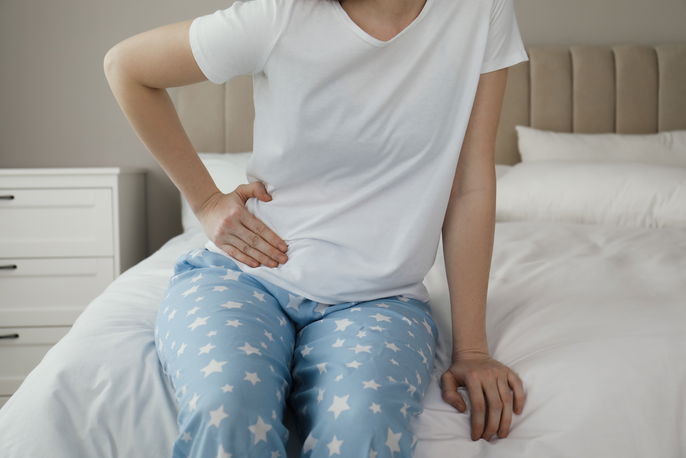
Right side abdominal pain can have many causes, ranging from mild digestive issues to more serious conditions like appendicitis. The location and intensity of the pain are important clues that help identify what might be causing it.
This type of pain may be related to problems in the digestive system, reproductive organs, urinary tract, or even the muscles. In some cases, the pain is short-lived, while in others it may require urgent medical attention.
Identifying the cause of right side abdominal pain is important, as some conditions may worsen without proper care. It is recommended to see a doctor if the pain is severe, persistent, or accompanied by symptoms such as fever, vomiting, or changes in bowel habits.
Digestive causes
Digestive conditions are some of the most common reasons for right-sided abdominal pain, and the discomfort can come from the stomach, intestines, gallbladder, liver, or pancreas.
1. Excess gas
Right-sided abdominal pain can simply be a result of distention of the intestine caused by gas. This problem can arise in people of all ages, from babies to the elderly. Normally, this type of pain is strong and feels like a cramp, and it usually appears after a meal. This symptom is also common in pregnancy, especially in the third trimester, as constipation and other irregularities affect normal bowel function.
Excessive gas can also be caused by certain foods, which take longer to digest and end-up fermenting for prolonged periods in the gut. See what foods can cause gas and bloating.
Symptoms: Bloating, loss of appetite, a feeling of heaviness in the stomach, increased burping or flatulence, and feeling full. Gas-related pain can be constant and it can worsen for short moments. Read more about symptoms of gas pain.
How to treat: Drinking plenty of water is important to regulate bowel function and facilitate normal digestion, however, in some cases laxatives like lactulose, magnesium hydroxide, or bisacodyl may be recommended by a doctor. Check-out some home remedies for gas pain that you can use to complement your medical treatment.
2. Irritable bowel syndrome (IBS)
People with IBS usually experience abdominal pain or cramping that can be constant or transient. The discomfort is usually relieved following a bowel movement.
Symptoms: In addition to abdominal pain, diarrhea, constipation, bloating and gas can also occur. The exact cause of IBS is not known, but it is commonly seen in people with anxiety, depression or mental disorders.
How to treat: You should go to the doctor to assess your pain and rule out other causes so that treatment can be started. The doctor can ask you questions about your pain (e.g. how it usually starts or how strong it is) and about the quality of your stools.
In addition to prescribing medications like scopolamine (which can help with cramping), changes to diet are usually indicated. These diet adjustments can include eating smaller portions, eating meals more slowly, and avoiding certain foods like beans, cabbage and other fermentable carbohydrates. Read more about the IBS diet and check-out our sample meal plan to get you started.
3. Gallstones
Pain in the right abdominal area can also indicate a gallbladder stone. It usually starts as a cramp in the upper right abdomen or in the stomach area, and it can last for minutes to hours. Many times, this pain can radiate to the left side or around to the back. It can be very uncomfortable and feel like indigestion. See our article on gallstones to understand what can cause them.
Symptoms: In some cases, gallbladder stones can also cause a loss of appetite, nausea and vomiting. Gallbladder stones that back-up and cause inflammation in the gallbladder can also result in fever, chills, and yellow skin or eyes.
How to treat: After confirming a gallbladder stone through an ultrasound, the stone can be removed laparoscopically. It's important to know that surgery is not always necessary; the presence of gallbladder stones without symptoms does not require surgery, for example. Small gallstones can be treated at home with natural remedies.
Surgery is typically indicated for people who are diabetics or have compromised immune systems, or in cases with very large gallbladder stones or where the gallbladder is significantly calcified.
4. Appendicitis
Appendicitis can cause a right-sided abdominal pain that starts out as a cramp around the bellybutton or in the stomach area. After about 6 hours, the inflammation worsens and the pain becomes stronger. It becomes more pronounced in the lower abdomen, usually close to the groin. Learn more about how to identify appendicitis pain.
Symptoms: There may also be a loss of appetite, nausea, vomiting, diarrhea, constipation, fever over 40ºC (or 104ºF), increased pain with palpation of the lower right abdomen, and abdominal tightness. Complete our online appendicitis symptoms quiz to determine if you are at risk for appendicitis.
How to treat: If appendicitis is suspected, you are advised to seek medical attention immediately. Many times, surgery is required to remove the appendix. Learn more about how appendicitis is treated and possible complications that can arise if left untreated.
5. Acute hepatitis
Abdominal pain on the right side of the body, particularly in the upper abdomen, is a common symptom of hepatitis. Hepatitis is a swelling in the liver that can be caused for numerous reasons such as bacterial or viral infections, alcoholism, medication use, auto-immune disorders or degenerative disease. Read more about what can cause acute hepatitis.
Symptoms: Hepatitis can also bring about nausea, vomiting, a loss of appetite, headaches, dark urine, yellow skin or eyes or light-colored stools. See which symptoms are specific to hepatitis A.
How to treat: With hepatitis, it is necessary to rest, maintain hydration and avoid food that is difficult to digest. The doctor may prescribe medication, like interferon (for hepatitis C), or immunosuppressants (for auto-immune disorders).
6. Pancreatitis
Pain associated with pancreatitis is usually found in the upper abdomen and radiates to the back and to the left shoulder. It can occur shortly after consuming alcohol or after a meal.
Symptoms: This pain can be accompanied by nausea, vomiting, fever, low blood pressure, a palpable mass in the affected area and yellow skin.
How to treat: If pancreatitis is suspected, you should seek medical attention immediately. Testing such as an ultrasound or a CT-scan may be ordered, and treatment might include analgesics and antibiotics. In some cases, surgery might be the best way to treat pancreatitis.
Urinary causes
Right side abdominal pain can also originate from the urinary system, especially when the kidneys or urinary tract are inflamed, blocked, or infected.
7. Kidney stones
The presence of stones in the kidneys or bladder can obstruct the flow of urine and cause moderate to intense pain. Usually the pain is felt on the affected side, and it can radiate to the back or to the genitals.
The pain can often start off as mild. It is commonly seen between the ages of 30 and 60 years old, and has an equal occurrence in both men and women.
Symptoms: In addition to pain, kidney stones can also bring about nausea, vomiting, chills, pain with urination, bleeding with urination, and even fever if an infection is present. Read more about kidney stone symptoms and assess your risk using our online quiz.
How to treat: You should seek medical attention and be assessed if you have any of the above symptoms. The doctor may prescribe anti-inflammatories, analgesics and anticholinergic medication to help with your symptoms. Read more about how kidney stones can be treated.
8. Kidney infection
A kidney infection, or pyelonephritis, refers to a urinary tract infection that reaches the kidneys. It is usually caused by bacteria, such as Escherichia coli (or E. Coli), as well as Candida fungi or viruses. Chronic infections can also be promoted by lesions along the urinary tract or kidney stones.
Also recommended: E. Coli: Symptoms (w/ Online Quiz) & How to Treat tuasaude.com/en/e-coliSymptoms: Kidney infections can present with right side abdominal pain if the right kidney is affected, with pain usually radiating from the back. Other symptoms include fever, abdominal cramping, pain or burning with urinating and nausea or vomiting.
How to treat: Treatment for a kidney infection will depend on the underlying cause of the infection, and whether the infection is acute or chronic. Bacterial infections, for example, can be treated with antibiotics, which are taken for 10 to 14 days. The doctor can also prescribe analgesics or anti-inflammatories to help relieve and pain or discomfort.
Structural causes
Some cases of right abdominal pain are related to structural problems in the abdominal wall, such as hernias, which can worsen with movement or physical strain.
9. Inguinal hernia
An inguinal hernia is a type of hernia that appears in the abdomen or groin. It is caused by a defect or weakness in the abdominal wall, which allows intestinal tissue to protrude through the abdomen. It is more common in children under 5 years of age and older men.
Symptoms: An inguinal hernia can cause symptoms such as swelling, pain or discomfort on the right side of the abdomen if the muscle weakness is located in the right abdomen. It can be accompanied by a feeling of heaviness or burning that worsens with exertion.
How to treat: The best way to treat an inguinal hernia is to surgically repair it. It can be repaired laparoscopically or through a larger incision in the abdomen, and involves the placement of a synthetic mesh to reinforce weakened abdominal tissue. The type of surgery completed depends on the size and location of the hernia.
Women-specific causes
In women, reproductive organs on the right side of the pelvis can lead to abdominal pain, particularly when affected by hormonal changes, cysts, or inflammatory conditions.
10. Ovulation pain
Some women may experience pain on the side of the ovary that is ovulating. This pain is usually mild and appears around the days of ovulation. It’s often easy to recognize because it occurs on the right side one month and the left side the next.
Also recommended: Ovulation Pain: Symptoms, Causes & Treatment tuasaude.com/en/ovulation-painThis pain is considered normal, and although it can be intense for some, it is not a cause for concern.
Symptoms: The main symptom is abdominal pain on one side of the lower belly that feels like stabbing, cramping, or pressure about 14 days before the next period, in a 28-day cycle.
What to do: Since ovulation pain typically lasts just one day, it can be relieved with over-the-counter pain relievers or anti-inflammatory medications like acetaminophen or naproxen. A gynecologist can help confirm if the symptoms are related to ovulation. Non-drug options like applying a warm compress to the area can also be helpful.
11. Ovarian cyst
Ovarian cysts are fluid-filled sacs that often cause no symptoms. However, when they grow larger, they can lead to pain in the lower abdomen.
Symptoms: Abdominal bloating, changes in the menstrual cycle, trouble urinating, and pain during sex. Learn more about the symptoms of ovarian cysts and how they can present.
What to do: Treatment depends on factors such as the size of the cyst, how fast it's growing, symptoms, and location. Pain relievers, anti-inflammatory drugs, or birth control pills may be recommended. In more serious cases or when the cyst doesn’t go away, surgery may be needed to remove it completely.
12. Endometriosis
Endometriosis is a condition where cells similar to the ones lining the uterus grow outside of it. It affects 1 in 10 women worldwide and can cause chronic abdominal pain that worsens during the menstrual cycle or when the bladder or intestines are full.
Common symptoms: Chronic pelvic pain, back pain, abdominal swelling, and infertility. Read more about endometriosis symptoms, which can vary depending on the area of the abdomen affected.
What to do: A gynecologist should be consulted to determine the best treatment. Options may include anti-inflammatory medications like ibuprofen, hormonal birth control, intrauterine devices like the Mirena, hormone-blocking medications like danazol, or surgery. An anti-inflammatory diet may also help reduce general inflammation and relieve symptoms.
13. Ovarian torsion
Ovarian torsion, also known as adnexal torsion, happens when the ovary twists around its own ligaments, cutting off blood, lymphatic, and venous flow. It usually causes sudden and intense pain on the lower right side of the abdomen and requires emergency treatment to prevent loss of function in the ovary and fallopian tube.
Symptoms: Pelvic pain, nausea, and vomiting.
What to do: If sudden lower abdominal pain occurs, urgent medical care is needed to diagnose and treat the condition. Surgery is usually required.
14. Pelvic inflammatory disease
Pelvic inflammatory disease is a syndrome caused by infection of the female upper reproductive tract, including the cervix, uterus, fallopian tubes, and ovaries.
This condition is often linked to sexually transmitted infections and can cause abdominal pain that worsens in the days leading up to or after the menstrual period, or when doing the Valsalva maneuver, which increases pressure in the chest by exhaling forcefully while blocking the nose and mouth.
Symptoms: Pain during sex, nausea, vomiting, abnormal vaginal bleeding, and pain or discomfort when urinating.
What to do: Treatment depends on the underlying cause and may include antibiotics like metronidazole and doxycycline, removal of an intrauterine device (IUD), or surgery if the infection does not respond to other treatments.
Men-specific causes
Certain conditions that affect the male reproductive system, such as testicular torsion, can cause abdominal pain that radiates upward to the right side.
15. Testicular torsion
Testicular torsion is a medical emergency in which the testicle twists around the spermatic cord, blocking blood flow. It is more common in boys and teenagers and causes intense, sudden pain that may radiate to the groin and abdomen.
Symptoms: Swelling of the scrotum, increased sensitivity in the area, nausea, vomiting, fever, and one testicle positioned higher than the other.
What to do: Any sudden testicular pain that spreads to the abdomen should be evaluated in the emergency room immediately. Surgery is usually needed to untwist the testicle and restore blood flow.
Warning signs
Warning signs of right side abdominal pain that indicate an urgent need to go to the hospital include:
- Any pain that is sudden, very strong, localized to a specific spot, or worsening over time
- Fever or any difficulty breathing
- High blood pressure, tachycardia, cold sweats or general malaise
- Vomiting and diarrhea that does not resolve
In these cases, in addition to assessing all signs and symptoms, the doctor may order diagnostic testing like ultrasound or CT-scans.