


Kiwi benefits include strengthening the immune system, preventing high blood pressure, relieving constipation, supporting weight loss, and treating anemia.
The benefits of kiwifruit come from the fiber it contains as well as high quantities of vitamin C and vitamin K, nutrients that possess antioxidant and laxative properties and help suppress appetite.
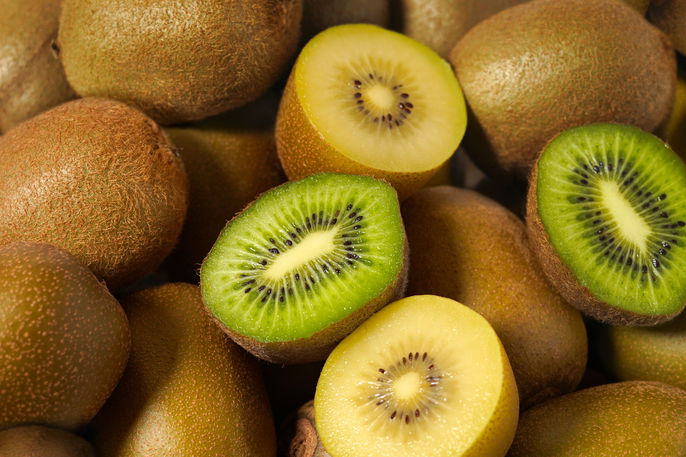
There are a variety of types of kiwifruit, including green, yellow, and gold kiwis, that differ based on their flavor and the amount of vitamin C they contain. Kiwis can be consumed with or without the skin, on their own or in recipes for juices, ice pops, mousse, salads, and preserves.
Health benefits
The main kiwi benefits include:
1. Relieving constipation
Kiwi helps to relieve constipation because it contains pectin, a type of fiber that draws water into the stool, making it easier to pass.
Also recommended: Pectin: Benefits, Food Sources & How to Make It at Home tuasaude.com/en/pectin2. Preventing high blood pressure
Kiwi is high in potassium, a mineral that promotes relaxation of the arteries and helps eliminate excess sodium from the body, helping to prevent high blood pressure.
Also recommended: 14 Foods That Lower Blood Pressure tuasaude.com/en/foods-that-lower-blood-pressure3. Controlling cholesterol
Kiwi is a high-fiber fruit that reduces fat absorption in the gut, helping to control levels of cholesterol and triglycerides in the blood.
Kiwi is also high in vitamin C and beta carotenes, antioxidants that help control cholesterol levels by combating free radicals and preventing the oxidation of fat cells.
4. Supporting weight loss
In addition to being low in calories, kiwi is also an excellent source of fiber, which slows down digestion and prolongs satiety (feeling of fullness), helping to support weight loss.
In order to help with weight loss, kiwis should be included as one part of a healthy, well-balanced diet combined with regular physical exercise.
5. Decreasing the risk for diabetes
Kiwi is a low glycemic food that slows down the absorption of sugar in the body to control blood sugar levels, helping prevent insulin resistance and diabetes.
6. Maintaining healthy bones
Kiwi is rich in vitamin K, which is important for calcium binding and maintaining healthy bones. In this way, kiwis can help prevent conditions like osteopenia and osteoporosis.
Also recommended: Vitamin K Foods: 22 Good Sources of Vitamin K (Plus Recipes) tuasaude.com/en/vitamin-k-foods7. Strengthening the immune system
Kiwi is rich in vitamin C, a vitamin that improves the function of the body's defense cells, helping to strengthen the immune system and combat microorganisms like viruses, bacteria, and fungi.
Also recommended: Immune System Boosters: Foods, Natural Remedies & Recipes tuasaude.com/en/immune-system-boosters8. Managing anemia
Kiwis, primarily yellow and gold kiwis, have high quantities of vitamin C, a nutrient that facilitates iron absorption from food. Iron is essential to the formation of hemoglobin in the blood, which is often depleted in people with anemia.
Also recommended: Foods for Anemia: What to Eat & What to Avoid tuasaude.com/en/foods-for-anemia9. Protecting against premature aging
Kiwis help prevent premature aging because they are high in vitamin C, a nutrient that plays an important role in the formation of collagen, a protein that helps maintain firm, supple skin.
In addition, the vitamin C and carotenoids found in kiwi possess antioxidant properties that protect the skin against damage caused by free radicals and help to prevent the appearance of wrinkles and sagging skin.
10. Supporting muscle recovery
The potassium found in kiwis helps control muscle contractions, supporting muscle recovery after workouts and preventing muscle cramps.
11. Maintaining eye health
Kiwifruit also contains lutein and zeaxanthin, which are carotenoids that protect the eyes from damage caused by free radicals, helping maintain eye health and preventing the formation of cataracts as well as age-related macular degeneration.
Different types
The most common types of kiwi are:
- Yellow kiwi: this type of kiwi has yellow flesh and a sweeter, less acidic taste than green kiwi;
- Gold kiwi: a type of yellow kiwi with a sweeter taste;
- Green kiwi: the most common type of kiwi found in grocery stores that has fuzzy brown skin and green flesh with a sweet and slightly acidic taste;
- Red kiwi: this type of kiwi has a smooth, thick skin and reddish-yellow flesh with a sweeter taste than green kiwi.
Baby kiwi is another type of kiwi that weighs about 25 g and has a soft, smooth skin and green flesh with a flavor similar to green kiwi but sweeter.
Nutrition facts
The following table provides nutritional information comparing green and gold kiwis:
In order to obtain all the benefits of eating kiwis, it is important to include them as one part of a healthy, well-balanced diet combined with regular physical exercise.
How to eat
While there is no specific recommendation regarding how much kiwi to eat in a day, the minimum amount of fruit to consume is 2 to 3 portions per day, which is the equivalent of about 160 to 240 g of kiwi.
Kiwi can be consumed with or without the skin, on its own or added to yogurt, or as part of recipes for juices, ice pops, mousse, and preserves.
Can You Eat Kiwi Skin?
Yes, kiwi skin is edible and safe for most people. Although its fuzzy texture and slightly tart taste may be unpleasant, eating kiwi with the skin on provides extra fiber and antioxidants.
Golden kiwis have thinner, smoother skin than green kiwis, while kiwi berries have smooth, nearly fuzz-free skin, making both easier to eat whole.
To eat kiwi with the skin on, wash it thoroughly under running water and gently rub off some of the fuzz with a clean cloth or soft brush. Slicing it thinly can also make the texture less noticeable.
Frequently asked questions
-
A green kiwi has about 61 calories per 100 grams, which works out to roughly 40 to 45 calories for one medium kiwi. Golden kiwis have slightly more, at 63 calories per 100 grams. That makes kiwi a good fruit choice for people who want to lose weight or control their calorie intake.
-
Yes, kiwi is a very nutritious fruit. It’s rich in vitamin C: green kiwi has 92.7 mg per 100 grams, and golden kiwi has 161.3 mg. It also has fiber, potassium, and vitamin E. Eating two green kiwis a day can help relieve constipation and improve bowel comfort.
-
Yes. Kiwi skin is edible and contains fiber and antioxidants, so eating it adds nutrients you’d lose by peeling the fruit. Wash the kiwi well and rub off the fuzz before eating it. People who are allergic to kiwi or latex should avoid it.
Read more: High Fiber Foods: Food List, Benefits and Types of Fiber
-
Green kiwi has about 3 grams of fiber per 100 grams, or about 2 grams in one medium kiwi. Golden kiwi has less, 1.4 grams per 100 grams. Eating the kiwi with the skin on increases the amount of fiber you get.
-
The easiest way is to cut the kiwi in half and scoop out the flesh with a spoon. You can also cut off both ends, run a spoon between the skin and the flesh to remove the skin, and slice the fruit. If you prefer to keep the skin, just wash it well and cut it into thin slices.
-
Unripe kiwis should be kept at room temperature until they feel slightly soft when gently pressed. To ripen them faster, place them in a paper bag with an apple or banana. Once ripe, store kiwis in the refrigerator, where they usually last about one week.
Contraindications
In general, kiwis are considered safe to eat, however people with a kiwi allergy should avoid the entire fruit, as it can cause itching, swelling, hives, or, in severe cases, difficulty breathing. People with latex allergies may also be more likely to react to kiwi.
If you experience symptoms after eating kiwi, stop eating it and consult a healthcare professional. Seek emergency medical care if you develop difficulty breathing or throat swelling.
Healthy recipes
Examples of healthy and delicious recipes using kiwi include:
1. Kiwi juice
Ingredients:
- 2 kiwis with or without the skin;
- 1/2 cup water or coconut water.
Directions:
Wash and chop the kiwi. Place the ingredients in a blender and blend until smooth. Transfer to a glass and serve. Strain or add a sweetener if desired.
2. Chocolate kiwi ice pops
Ingredients:
- 3 kiwis;
- 200 g (7 oz) chocolate (70% cacao), chopped;
- 2 Tbsp coconut oil;
- Popsicle sticks;
- Parchment paper.
Directions:
Wash, peel, and cut the kiwis into thick rounds (about 1 cm thick). Stick 1 or 2 rounds on each Popsicle stick and place on a baking sheet lined with parchment paper. Place in the freezer for 4 hours or until frozen.
Place the chocolate and coconut oil in a small glass container and melt in the microwave for about 2 minutes.
Remove the kiwi sticks from the freezer and dip in the melted chocolate. Let the excess chocolate drip off and place the pops back on the baking sheet. Place in the freezer for another 15 minutes or until the chocolate has hardened. Serve cold.
