


Jaboticaba, or jabuticaba, is a fruit with several health benefits, including protecting against premature aging, helping maintain weight loss, decreasing the risk of cancer, and preventing diabetes.
These benefits come from good quantities of vitamin C, fiber, and anthocyanins, which are nutrients and bioactive compounds with antioxidant, satietogenic, laxative, and anti-inflammatory properties.
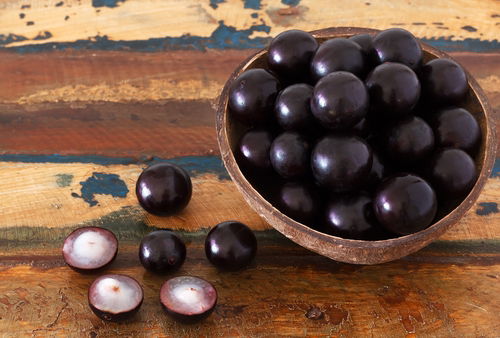
The jaboticaba fruit has dark purple skin and white flesh with a bittersweet taste. Jaboticaba can be consumed in its natural form or as a powder (jaboticaba peel flour) and can be added to recipes for jams, smoothies, juice, tea, and cakes.
Health benefits
Jaboticaba offers a variety of health benefits, which include:
1. Helping maintain weight loss
Jaboticaba contains large quantities of fiber, such as pectin, especially in the skin of the fruit, that helps maintain weight loss by prolonging satiety (feeling of fullness) and managing hunger throughout the day.
Jaboticaba is also a low calorie fruit that can be included as part of a weight loss diet.
2. Lowering the risk of cancer
Jaboticaba is rich in antioxidant compounds like quercetin, anthocyanins, and tannins, which help combat free radicals in the body and decrease the risk of cancer.
3. Improving intestinal function
Jaboticaba is a high fiber fruit that helps increase water absorption in the gut to help with stool formation, helping improve intestinal function and making it easier to have a bowel movement.
4. Helping treat depression
Jaboticaba contains anti-inflammatory and antioxidant properties that protect the cells of the central nervous system against free radicals.
Jaboticaba also plays a role in the production of serotonin, a neurotransmitter that regulates mood and well-being. In this way, jaboticaba may help complement treatment for depression.
5. Helping prevent diabetes
Jaboticaba contains fiber that helps slow down the absorption of sugar in the gut, helping to balance blood sugar levels and prevent the development of type 2 diabetes.
Jaboticaba also contains antioxidant compounds like quercetin and anthocyanins that help protect pancreatic cells against free radicals, improving insulin function and preventing insulin resistance and diabetes.
6. Lowering "bad" cholesterol
Because it is high in fiber, jaboticaba reduces fat absorption in the gut and helps lower levels of LDL ("bad") cholesterol in the blood, helping prevent cardiovascular diseases like heart attack and atherosclerosis.
7. Protecting against premature aging
Jaboticaba is rich in vitamin C, tannins, anthocyanins, and quercetin, antioxidant compounds that protect the skin against damage caused by free radicals and help prevent premature aging.
8. Helping regulate blood pressure
Jaboticaba contains potassium, a mineral that eliminates excess sodium in the body through the urine, helping to regulate blood pressure.
Jaboticaba is also rich in antioxidant and anti-inflammatory compounds like tannins, anthocyanins, and quercetin that improve arterial health, helping to facilitate blood flow and prevent high blood pressure.
9. Protecting the liver
Jaboticaba is rich in antioxidants that help combat free radicals to protect and improve liver function.
10. Strengthening the immune system
Jaboticaba helps strengthen the immune system because it is rich in zinc, a mineral that is essential for the production of the body's defense cells, such as interleukins, macrophages, and T and B lymphocytes
11. Preventing anemia
Jaboticaba helps prevent anemia because it contains vitamin C, a nutrient that promotes the absorption of iron, a mineral that plays an important role in the formation of hemoglobin in the blood.
12. Maintaining eye health
Jaboticaba contains lutein, a carotenoid with antioxidant properties that helps protect the eyes against UV rays from the sun and blue light emitted from computers and cell phones, helping maintain good eye health and preventing the development of cataracts and macular degeneration.
Does jaboticaba cause weight gain?
Jaboticaba does not cause weight gain when consumed in moderation along with a healthy diet and regular physical exercise.
No food is capable of causing weight gain or weight loss on its own. Weight gain or loss is the result of calories consumed and level of physical activity.
Natural properties
Jaboticaba possesses anti-inflammatory, antioxidant, hypoglycemic, anti-obesity, hepatoprotective, immunomodulatory, anti-hypertensive, lipid-lowering, and digestive properties.
These properties are due to large quantities of zinc, vitamin C, and carotenoids, in addition to fiber and bioactive compounds like tannins, anthocyanins, and quercetin found in jaboticaba.
Nutrition facts
The following table contains nutritional information for a 100 g serving of jaboticaba with the skin, which is equivalent to about 20 jaboticaba fruits:
To obtain all of the benefits listed above, it is important to include jaboticaba as one part of a healthy, well-balanced diet in combination with regular physical exercise.
How to eat
Jaboticaba can be eaten in its natural form, with the skin, or used in recipes for jams, juices, tea, mousse, or cakes. Jaboticaba can also be found in the form of a powder, which can be added to yogurt, smoothies, fruit salad, cakes, or pies.
While there is no specific recommendation for how much jaboticaba to eat in a day, the minimum daily recommended value for fruit is between 2 to 3 portions per day, which corresponds to between 160 and 240 g.
Healthy recipes
Healthy recipes using jaboticaba include:
1. Jaboticaba tea
Ingredients:
- 25 g fresh jaboticaba peels;
- 1 L (32 oz) of water.
Directions:
Bring the water to a boil in a pot on the stove. Remove from the heat and add the jaboticaba peels. Cover and let steep for 5 minutes. Strain and drink, preferably without adding sugar or sweetener.
2. Jaboticaba juice
Ingredients:
- 1 cup ripe jaboticaba with the skins on (seeds removed);
- 2½ cups filtered water;
- Ice as desired;
- 1 Tbsp lemon juice;
- Honey or other sweetener.
Directions:
Place all of the ingredients in a blender and blend for 3 minutes, or until well-combined. Transfer to a glass a drink, preferably without straining.
3. Jaboticaba jam
Ingredients:
- 700 g (1.5 lb) jaboticaba with the skins on;
- 200 mL (6 oz) of water;
- 5 Tbsp sweetener;
- 1 Tbsp lemon juice.
Directions:
Wash the jaboticaba well and add to a pot with the water. Add sweetener and lemon juice. Bring to a boil over medium heat and let simmer for 40 minutes, stirring occasionally to prevent the mixture from sticking to the bottom.
When you reach the desired consistency, remove the pot from the heat. Remove the seeds and transfer the jam to a heat-resistant glass jar with a lid. Let cool and store in the refrigerator for up to 30 days.
Frequently asked questions
Frequently asked questions about jaboticaba include:
1. Does jaboticaba cause constipation?
No, jaboticaba does not cause constipation. In fact, jaboticaba contains large quantities of fiber that help increase stool volume and stimulate gut motility to make it easier to have a bowel movement.
2. Can you eat the skin of the jaboticaba fruit?
Yes, you can eat the skin of the jaboticaba fruit. The skin of the fruit is rich in bioactive compounds with antioxidant and anti-inflammatory properties and also contains good quantities of fiber.
3. Can jaboticaba be eaten during pregnancy?
Yes, jaboticaba can be eaten during pregnancy and does not pose any risk to the health of the pregnant person or the fetus.
4. Can you eat the seeds of the jaboticaba fruit?
Yes, you can eat the seeds of the jaboticaba fruit. Jaboticaba seeds contain many bioactive compounds, such as ellagitannins, which possess anti-inflammatory properties that may help prevent obesity.
Further studies are needed using human subjects to evaluate the safety and efficacy of jaboticaba seeds for health.