


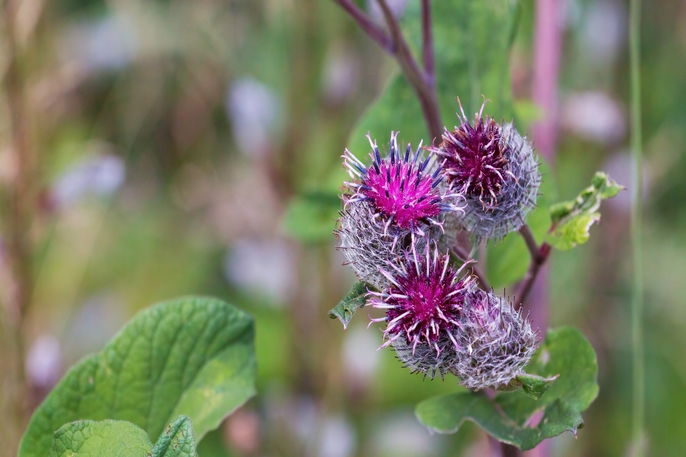
Burdock, also known as greater burdock or edible burdock, is a medicinal plant that can help with conditions such as acne, indigestion, loss of appetite, and gout.
The benefits of burdock are mainly due to the presence of phenolic acids, arctiopicrin, flavonoids, tannins, polyphenols, and phytosterols. These natural compounds have diuretic, appetite-stimulating, detoxifying, anti-inflammatory, antirheumatic, and antimicrobial properties.
Scientifically known as Arctium lappa, burdock is available in health food stores, pharmacies, and some markets. It can be used as tea, tincture, oil, or capsules. Burdock root is also rich in fiber, vitamins, and minerals, and can be eaten as food, cooked, roasted, or sautéed.
Health benefits
The main benefits of burdock are:
1. Helps relieve digestive problems
Burdock possesses calming, bile-stimulating, and anti-inflammatory properties that can help relieve indigestion and nonspecific stomach discomfort by soothing the stomach lining and promoting bile production in the liver.
Also recommended: What to Take For Indigestion (Teas, Juices & Medication) tuasaude.com/en/what-to-take-for-indigestionEating burdock root also supports digestive health by regulating bowel movements and maintaining a healthy gut microbiome. This is because it contains inulin, a soluble fiber that feeds beneficial gut bacteria and promotes normal intestinal function, helping to prevent constipation.
2. Reduces fluid retention
Burdock has natural diuretic properties that increase urine production, helping to reduce fluid buildup and swelling.
It also assists in eliminating toxins from the body through the urine, which can improve skin appearance and help reduce cellulite.
3. Supports intestinal health
Inulin, a prebiotic soluble fiber found in burdock, serves as food for healthy intestinal bacteria. This helps maintain a balanced gut microbiota and may help prevent digestive conditions such as diverticulitis, ulcerative colitis, irritable bowel syndrome, and Crohn’s disease.
By controlling the growth of harmful bacteria, inulin can also help lower levels of toxins in the intestines and may reduce the risk of colon cancer.
4. Helps manage gout
Because of its antirheumatic effects, burdock may help lower uric acid levels in the blood, which can be beneficial in the treatment of gout, an inflammatory condition that affects the joints, leading to swelling, redness, and pain.
5. Improves skin and hair health
Burdock may help treat certain skin and scalp problems such as acne, boils, eczema, seborrheic dermatitis, and dandruff. These benefits are due to its anti-inflammatory, healing, antimicrobial, and digestive properties, which help promote clearer skin and healthier hair.
6. Helps control blood sugar levels
Burdock contains arctigenin, a compound that has hypoglycemic effects and may help lower blood sugar levels.
However, burdock should only be used as a complement to medical treatment and not as a replacement for prescribed medication or a healthy diet.
7. Regulates appetite
Burdock helps regulate appetite. When the root or leaves are prepared as tea or a tincture, this medicinal plant has an orexigenic effect, meaning it can stimulate appetite.
However, when burdock root is eaten as food, it has the opposite effect, an anorexigenic action. This happens because burdock contains inulin, a soluble fiber that forms a gel-like substance in the stomach, helping extend the feeling of fullness and reduce hunger.
Medicinal properties
Burdock has antibacterial, anti-inflammatory, antiseptic, calming, healing, diuretic, appetite-stimulating, hypoglycemic, detoxifying, antirheumatic, and antimicrobial properties.
Preparations and recipes
Burdock root can be included in meals and eaten cooked, roasted, fried, or grilled.
It can also be used as tea, tincture, oil, or capsules made from the plant’s leaves and roots.
1. Burdock tea
Burdock tea can be used to help manage conditions such as digestive discomfort and fluid retention.
Ingredients:
-
2 tsp (2 to 6 g) dried burdock root
-
250 mL of water
Directions:
Place the water and burdock root in a small pot and boil for 5 minutes. Let it cool, strain, and drink. It is recommended to drink up to 3 cups of burdock tea per day.
Burdock tea can also be used as a compress to support the treatment of skin conditions such as boils, dandruff, dermatitis, and acne. To use it this way, soak a gauze pad or cotton ball in the tea and apply it to the affected area three times a day.
2. Burdock tincture
Burdock tincture can be taken to help with digestive problems, gout, or appetite regulation. The usual recommended dose is 8 to 12 mL diluted in 50 mL of water, taken three times a day.
3. Burdock oil
Burdock oil can be found in its pure form or as an ingredient in shampoos, ointments, and creams. It can help with dandruff, hair loss, and acne.
4. Burdock capsules
The recommended dosage of burdock capsules depends on the intended use, but is generally between 1 and 6 capsules per day for 2 to 4 weeks. The capsules should be taken with a full glass of water.
Side effects
Possible side effects of burdock include skin irritation and increased urination. Consuming large amounts may cause pupil dilation, dry mouth, seizures, or allergic reactions such as anaphylaxis.
Contraindications to use
Burdock should not be used by people who are pregnant or breastfeeding, children, or people taking diuretic medications.
Topical use of burdock should be avoided on open wounds.
Additionally, people taking insulin or oral diabetes medications should only use burdock if approved by a doctor or other healthcare professional.