


- Gout is caused by uric acid crystal buildup in the joints and often causes sudden, severe pain, swelling, redness, and tenderness.
- Gout commonly affects the big toe, but it can also develop in the ankles, knees, fingers, wrists, and elbows.
- Treatment may include anti-inflammatory medication, uric acid-lowering drugs, dietary changes, and staying well hydrated.
Gout is a type of inflammatory arthritis that develops when uric acid crystals build up in the joints, causing sudden pain, swelling, redness, and tenderness, most often in the big toe.
High uric acid levels, also called hyperuricemia, can increase the risk of gout, although they do not always cause symptoms. Gout attacks can develop quickly, often at night, and may affect the ankles, knees, fingers, wrists, or elbows.
Treatment for gout may include anti-inflammatory medications to relieve an acute attack and medicines such as allopurinol or probenecid to help control uric acid levels and prevent future attacks. Dietary changes, adequate hydration, and medical evaluation can also play an important role in managing the condition.
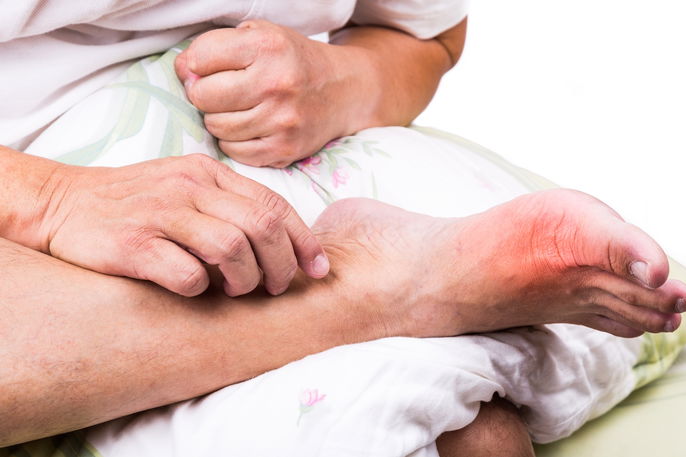
Symptoms of gout
The main symptoms of gout include:
-
Severe pain in one or more joints
-
Swelling in the affected joint
-
Redness and warmth in the joint
-
Joint tenderness
These symptoms usually appear during a gout attack. According to the National Institute of Arthritis and Musculoskeletal and Skin Diseases (NIAMS), gout attacks often begin suddenly and may occur at night.
Symptoms can develop rapidly over several hours, with joint pain typically becoming most severe within the first 8 to 12 hours.
Gout most commonly affects the big toe, but it can also affect the ankles, knees, fingers, wrists, or elbows.
Fever can sometimes occur. However, a fever together with a hot, swollen joint should be evaluated promptly, as these symptoms can also be caused by a joint infection.
Confirming a diagnosis
Gout is diagnosed based on symptoms, medical history, and a physical examination of the affected joint.
The doctor may also order blood tests, synovial fluid analysis, or imaging tests, such as ultrasound or CT, to help confirm the diagnosis.
Tests for gout
The main tests used to evaluate gout include:
-
Uric acid levels in the blood and urine
-
Complete blood count (CBC)
-
Erythrocyte sedimentation rate (ESR) and C-reactive protein (CRP)
-
X-ray, ultrasound, or dual-energy computed tomography (DECT)
During a gout attack, blood uric acid levels may be normal or elevated, so a normal result does not rule out gout. For this reason, the test may need to be repeated after the attack has resolved.
The most definitive way to diagnose gout is to identify monosodium urate crystals under a microscope. This is done by collecting a sample of synovial fluid from the affected joint or material from a gouty tophus, which is a firm nodule formed by deposits of uric acid crystals.
Possible causes
Gout is caused by excess uric acid in the blood, which promotes the buildup of uric acid crystals in the joints and leads to inflammation and gout attacks.
Some factors can increase the risk of gout, including:
-
Inherited genetic factors
-
Increased production of uric acid in the body
-
Reduced elimination of uric acid by the kidneys
-
A diet high in purines, such as red meat, seafood, and certain types of fish
-
Excessive alcohol consumption
-
Use of medications such as diuretics, cyclosporine, salicylates, or pyrazinamide
-
Excessive fructose consumption, such as from high-fructose corn syrup or soft drinks
-
A diet high in saturated fat
-
Acute or chronic kidney disease
Gout is more common in people who have overweight or obesity and in those with certain health conditions, such as chronic kidney disease, high blood pressure, or metabolic syndrome.
Gout is also more common in men and generally develops during middle age. Women are less likely to develop gout before menopause and tend to develop it later in life.
How long does a gout attack last?
A gout attack can last from a few days to 1 to 2 weeks. Treatment can help relieve symptoms and may shorten the duration of the attack.
Between gout attacks, a person usually has no symptoms. However, uric acid levels may remain high, and gout can continue to affect the joints over time if it is not properly managed.
How to treat gout
Gout treatment should be guided by a healthcare provider and aims to relieve symptoms during a gout attack, lower uric acid levels, prevent future attacks, and reduce the risk of complications.
The main treatments for gout include:
1. Medication
Medications used to treat acute gout attacks include ibuprofen, naproxen, or indomethacin. These medications help reduce inflammation and joint pain.
Other medications that may be used to relieve symptoms during a gout attack include colchicine or corticosteroids, such as prednisone.
In addition to medications used during an attack, a doctor may prescribe allopurinol or probenecid to control uric acid levels in the blood, help prevent future attacks, and reduce the risk of gouty tophi.
2. Gout diet
A gout diet aims to reduce or avoid foods that can increase uric acid levels, particularly foods high in purines, such as red meat, certain types of fish, and seafood.
It is also important to stay well hydrated by drinking enough water throughout the day, unless a healthcare provider has recommended limiting fluid intake.
A balanced diet that includes fruits, vegetables, whole grains, and other nutrient-rich foods may also help manage gout. According to the National Institute of Arthritis and Musculoskeletal and Skin Diseases (NIAMS), a DASH-style eating plan may help lower blood urate levels and prevent gout flares.
Also recommended: Home Remedies for Gout: 5 Natural Options to Complement Treatment tuasaude.com/en/home-remedies-for-gout