


How to treat food poisoning often includes home remedies such as ginger tea, fennel tea, coconut water, or a homemade saline solution. These options help replace lost fluids and electrolytes while easing symptoms like nausea, vomiting, diarrhea, and abdominal cramps.
Food poisoning happens after eating food contaminated with bacteria or toxins, and symptoms often start within a few hours. Treatment of food poisoning usually focuses on preventing dehydration and worsening symptoms through rest, light meals, and adequate fluid intake alongside supportive home remedies.
Although home remedies can relieve mild cases, it is also important to know when medical care is needed. If symptoms last more than two days or become severe, evaluation by a healthcare provider may be necessary, as medication or additional treatment may be required.
1. Saline solution
Saline solution can help manage food poisoning by replenishing electrolytes and fluids lost through vomiting and diarrhea, supporting normal body function and preventing dehydration.
2. Coconut water
Coconut water is rich in vitamins and electrolytes that help to hydrate the body and replenish any nutrients or fluids lost through vomiting and diarrhea. It can help the body to recuperate faster.
Be sure to drink plenty of coconut water, but choose natural, chilled coconut water whenever possible.
3. Ginger tea
Ginger tea is rich in phenolic compounds like gingerol and shogaol which have antiemetic properties. It helps to reduce nausea and vomiting and improve symptoms like heartburn and indigestion.
Ingredients
- 2 cm fresh ginger root;
- 1 cup water.
How to prepare
Peel the ginger and chop into small pieces. Add the ginger to a pot with the water and boil for 5 minutes. Allow to cool, then strain and drink up to 3 cups per day.
Ginger tea should be not used by people who take anticoagulants like warfarin or aspirin, as it can increase the risk for bleeding or hemorrhage. Pregnant women who are close to delivery or who have a history of miscarriage, or who have a clotting problem or risk for bleeding, should also avoid drinking ginger tea.
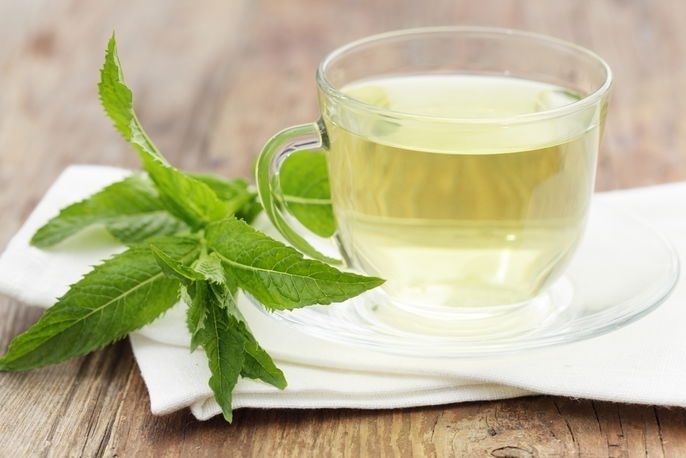
4. Peppermint tea
Peppermint tea can be a helpful home remedy for food poisoning because it contains essential oils such as menthol, menthone, and limonene, which have analgesic and antispasmodic properties. These compounds help relax intestinal muscles, reduce gas formation, and ease the contractions that cause diarrhea and abdominal cramping.
Ingredients
- 2 to 3 tsp fresh, dry, or ground peppermint leaves;
- 150 mL (5 oz) boiling water.
How to prepare
Place the peppermint leaves in a teacup and fill with the boiling water. Allow to steep for 5 to 7 minutes, then strain. You can drink this tea 3 to 4 times per day.
5. Fennel tea
Fennel tea contains anethol, estragol, and camphor, which have antispasmodic, anti-inflammatory, analgesic and digestive action. It is a great home remedy for decreasing cramping, gases, nausea and vomiting caused by food poisoning.
Ingredients
- 1 tsp fennel seeds;
- 1 cup boiling water.
How to prepare
Add the fennel seeds to a cup of boiling water. Cover and allow to steep for 10 to 15 minutes. Strain and drink up to 3 cups per day. You can also prepare this tea using a ready-made fennel tea bag.
Fennel tea should not be consumed by people who are pregnant or breastfeeding.
6. Apple cider vinegar
Apple cider vinegar has natural antiviral and antimicrobial properties. It may help restore healthy intestinal flora, making it a useful home remedy for diarrhea and stomach cramps caused by food poisoning.
Apple cider vinegar can also be used to relieve nausea and stomach aches.
Ingredients
- 1 to 2 Tbsp of apple cider vinegar;
- 1 cup filtered water.
How to prepare
Mix the apple cider vinegar with water and drink it on an empty stomach, up to three times a day during the first 24 hours of food poisoning. After that, drink one cup of the mixture in the morning and another at night to help prevent diarrhea.
It is important to rinse your mouth out with water and brush your teeth 30 minutes after drinking this solution in order to prevent tooth decay.
People who are allergic to apple cider vinegar should not consume it. It should also be avoided by those taking digoxin or diuretics such as furosemide or hydrochlorothiazide, as it may lower potassium levels and lead to muscle weakness, cramping, paralysis, or cardiac arrhythmias.
7. Chamomile tea
Chamomile tea is another option to help relieve symptoms of food poisoning. It contains digestive and anti-inflammatory properties that help to reduce abdominal cramping, stomach acidity, nausea, dizziness, and excess gas.
Ingredients
- 1 tsp dried chamomile flowers;
- 1 cup boiling water.
How to prepare
Add the chamomile flowers to the boiling water, cover, and steep for 5 to 10 minutes. Then strain and drink up to 3 cups per day.