


- Herbal teas like chamomile, valerian, and passionflower can have sedative effects and may interact with medications such as antidepressants, painkillers, or anticoagulants. Medical advice is recommended before using them regularly.
- Some herbal teas for anxiety are not safe for certain groups, including pregnant or breastfeeding people, young children, or individuals with conditions like liver disease, heart problems, or severe depression.
- Tea for anxiety may help promote relaxation, but it should not replace prescribed medications or psychotherapy when treating anxiety disorders.
Tea for anxiety is a natural option that may help calm the mind and reduce symptoms such as nervousness, restlessness, and excessive worry. Some herbal teas contain compounds that support relaxation by acting on the central nervous system.
Common options for tea for anxiety include chamomile, lemon balm, lavender, valerian, and passionflower tea. These herbs contain natural compounds that may promote relaxation, improve mood, and help reduce stress.
Other herbal options such as linden, St. John’s wort, mulungu, and kava may also have calming properties. Tea for anxiety can help support relaxation, but it should be used as a complementary option alongside medical treatment or psychotherapy when needed.
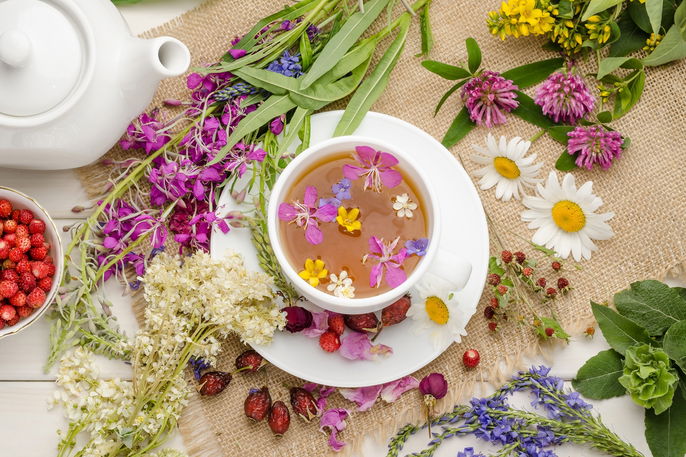
Teas for anxiety
Examples of teas that can be used to help manage anxiety include:
1. Chamomile tea
Chamomile tea is a good option for relieving anxiety, stress, and hyperactivity because it contains apigenin, a flavonoid that calms the central nervous system and helps lower levels of cortisol, a hormone related to stress and anxiety.
Ingredients:
-
1 Tbsp (about 4 g) dried chamomile flowers;
-
1 cup of water.
How to prepare:
Boil the water in a pot or kettle. Remove from heat, add the chamomile flowers, cover, and let steep for 5 minutes. Strain and drink up to 4 cups per day.
Chamomile tea is not recommended for people with an allergy to chamomile or other plants in the same family, such as ragweed, daisies, or chrysanthemums. It should not be given to babies under 6 months of age.
People taking anticoagulants, sedatives, painkillers, or other medications regularly should talk to a doctor before drinking chamomile tea, as it may interact with some drugs. This tea should also be avoided before activities that require alertness, such as driving or operating machinery.
Chamomile tea made with Matricaria recutita is generally considered safe during pregnancy and breastfeeding. However, Roman chamomile should be avoided, as its safety during these periods has not been confirmed.
2. Lemon balm tea
Lemon balm tea, also known as melissa tea, contains rosmarinic acid, a compound that increases GABA activity in the brain, promoting relaxation and helping reduce symptoms of anxiety such as nervousness, excessive worry, and restlessness.
Ingredients:
-
1 Tbsp fresh lemon balm leaves;
-
1 cup of water.
How to prepare:
Boil the water in a pot, remove from heat, and add the chopped lemon balm leaves. Cover and let steep for 5 minutes. Strain and drink up to 4 cups per day.
Lemon balm tea is not recommended for people who are pregnant or breastfeeding, children under 12, or people with hypothyroidism, glaucoma, or benign prostatic hyperplasia. People taking sedatives should consult a doctor before drinking this tea.
3. Lavender tea
Lavender tea contains coumarin and essential oils with relaxing and calming properties, which can help improve mood and well-being by reducing symptoms of anxiety.
Ingredients:
-
1 tsp dried lavender flowers;
-
1 cup of water.
How to prepare:
Boil the water in a pot, add the lavender flowers, cover, and let steep for 5 minutes. Strain and drink up to 3 cups per day for up to 20 days.
Lavender tea should not be used by children under 12, people with gastritis or stomach ulcers, or by people who are pregnant or breastfeeding.
4. Valerian tea
Valerian tea is an excellent natural remedy for anxiety because it contains valerenic and isovaleric acids, bioactive compounds that increase GABA activity in the nervous system, promoting relaxation and reducing anxiety symptoms.
Ingredients:
-
1 Tbsp dried valerian root
-
300 mL of water.
How to prepare:
Boil the water in a pot. Remove from heat, add the valerian root, cover, and let steep for 10 minutes. Strain and drink up to 2 cups per day.
Valerian tea is not recommended for people who are pregnant or breastfeeding, or for children under 3 years of age. It should not be used by people taking medications for anxiety or depression; painkillers such as codeine, morphine, or tramadol; muscle relaxants such as cyclobenzaprine; or anticonvulsants like phenobarbital or pentobarbital.
5. Passionflower tea
Passionflower tea, also known as passionflower herb tea, contains chrysin, a flavonoid that activates GABA receptors in the nervous system, helping improve mood and relieve anxiety symptoms.
Ingredients:
-
1 Tbsp dried passionflower;
-
1 cup of water.
How to prepare:
Boil the water in a pot. Remove from heat, add the passionflower, cover, and let steep for 5 to 10 minutes. Strain and drink up to 3 cups per day.
Passionflower tea is not recommended for children under 12, people allergic to the plant, or people who are pregnant or breastfeeding. It should not be combined with alcohol, sedatives, antihistamines, anticoagulants, antiplatelets, or nonsteroidal anti-inflammatory drugs (NSAIDs).
6. Linden tea
Linden tea is a great natural option for anxiety because it contains kaempferol and quercetin, bioactive compounds with calming effects that help relax the central nervous system and reduce symptoms such as irritability, fear, and difficulty sleeping.
Ingredients:
-
½ tsp (about 1.5 g) dried linden flowers and leaves;
-
200 mL of water.
How to prepare:
Boil the water in a pot, remove from heat, add the linden, cover, and let steep for 5 to 10 minutes. Strain and drink up to 4 cups per day.
For children between 4 and 12 years old, use only 1 g of linden per 150 mL of boiling water.
Linden tea is not recommended for people with heart problems, as it may have toxic effects on the heart muscle. It should not be used by children under 4 years of age or by people who are pregnant or breastfeeding due to a lack of studies on the safety of linden tea in these populations.
7. St. John’s wort tea
St. John’s wort tea contains hypericin and hyperforin, compounds that act on the central nervous system to calm the mind and promote relaxation.
Ingredients:
-
1 tsp (2–3 g) dried St. John’s wort;
-
250 mL of water.
How to prepare:
Boil the water in a pot, remove from heat, add the herb, cover, and let steep for about 5 minutes. Strain and drink 2 to 3 cups per day, preferably after meals.
St. John’s wort tea is not recommended for children under 12, people allergic to the plant, or those with severe depression. It should not be used by people who are pregnant or breastfeeding or by people taking antidepressants such as sertraline or paroxetine, anticoagulants, immunosuppressants, oral contraceptives, or chemotherapy drugs, as it can cause serious interactions.
8. Mulungu tea
Mulungu tea contains bioactive compounds such as hypaphorine, erythrine, and eritravine, which activate GABA receptors in the nervous system and may help reduce symptoms of anxiety.
Ingredients:
-
1 tsp (4–6 g) mulungu bark;
-
1 cup (200 mL) of water.
How to prepare:
Place the mulungu bark and water in a pot, bring to a boil for 10 minutes, let cool, strain, and drink up to 3 cups per day for up to 30 days.
Mulungu tea is not recommended for children under 18, people who are pregnant or breastfeeding, or people with heart failure or arrhythmias. People taking antihypertensives or antidepressant medications should consult a doctor before using mulungu tea, as it may interfere with these medications.