


A psoriasis diet aims to incorporate anti-inflammatory and detoxifying foods into daily meals to help manage uncomfortable skin symptoms. Consuming nutrient-rich options like fatty fish, seeds, and fruit can assist in relieving common issues such as itching, swelling, and flaking.
Specific food groups known to trigger inflammation, such as red meat, white sugar, and processed items, are typically restricted to prevent flare-ups. A balanced psoriasis diet requires limiting these ingredients, particularly during periods when skin lesions are worsening or actively inflamed.
Management of this chronic condition is most effective when dietary changes are overseen by a dermatologist to monitor skin health. Consulting a registered dietitian can further ensure that nutritional needs are met while adhering to the specific restrictions of a psoriasis diet.
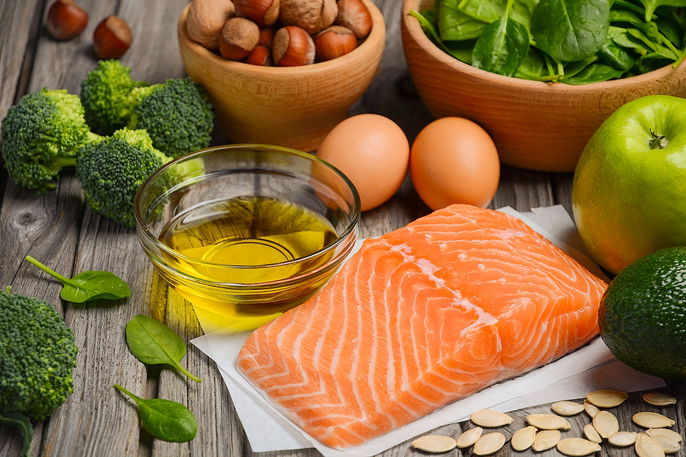
What to eat
The foods that are allowed and should be eaten regularly include:
1. Whole grains
Whole grains are carbohydrates that contain a lower glycemic index which are also a good source of fiber, vitamins, and minerals. Food that has a low glycemic index can reduce inflammation, and consequently the symptoms of psoriasis.
Examples: whole-grain bread, whole-grain pasta or egg pasta, brown or parboiled rice, corn, and oats.
2. Fatty fish
Fatty fish is an important source of omega-3, which has anti-inflammatory proprieties. Also, fish in general is a good source of B complex vitamins, vitamin A and minerals like selenium, that help reduce wounds, erythema, scaling skin, and itchiness.
Examples: tuna, sardine, trout, and salmon.
3. Seeds
As well as being high in fiber, seeds also have a lot of vitamins and minerals, such as vitamin E, selenium, and magnesium. Seeds help reduce reactions within the inflammatory process and decrease psoriasis symptoms.
Examples: sunflower seeds, pumpkin seeds, flaxseed, chia, among others
4. Fruit
Varying your intake of fruit every day increases the amount of fiber in your diet as well as guaranteeing a good intake of vitamins and minerals, such as B complex vitamins, vitamins C and E, potassium, magnesium, and even flavonoids. Taking these types of vitamins helps to heal skin lesions faster.
Examples: orange, lemon, acerola cherry, kiwi, banana, avocado, mango, papaya, grapes, blackberries, raspberries.
Also recommended: High Fiber Fruits: 25 Examples Plus Recommended Daily Intake tuasaude.com/en/high-fiber-fruit5. Vegetables and leafy greens
Vegetables provide a good amount of fiber, and they are sources of vitamins A and C, and folic acid. They also act as antioxidants, reducing inflammation and consequently the symptoms of psoriasis.
Examples: carrot, sweet potato, beetroot, spinach, cabbage, and broccoli.
6. Olive-oil
Olive-oil is a good source of polyunsaturated fatty acids, a good kind of fat that can help decrease the inflammatory process. Other vegetable oils can also be used, since they are a good source of vitamin E, which is very important for the skin.
Examples: extra virgin olive oil, sunflower oil, wheat germ oil.
What to avoid

Some foods can stimulate inflammation and be considered trigger foods for psoriasis, causing new flares or worsening symptoms. Therefore, when following a psoriasis diet, you should avoid foods like:
- Red meat and fried foods: these foods increase your consumption of saturated fat and cholesterol, encouraging inflammation and increasing your chances of getting a flare-up;
- Sugar and white flour such as sweets, white bread, and cookies. These are carbohydrates with a high glycemic index, and the higher the GI, the higher the risk of triggering inflammatory conditions such as psoriasis;
- Processed foods: foods with a lot of additives or processed meats, such as smoked ham, sausages, salami, among others, can cause a build up of toxins inside the body, favoring an inflammatory response in addition to affecting skin health.
Alcoholic drinks must also be avoided, as they can increase itchiness and hinder the absorption of most medications used for treating psoriasis. Learn more about the symptoms of psoriasis and how it is treated.
3-day meal plan
Table below outlines a sample meal plan that you can use as a guide to getting started with a psoriasis diet:
The quantities indicated in the meal plan may vary according to age, gender, amount of physical activity and other health conditions. It is recommended that you consult a registered dietitian for a complete assessment and a nutrition plan that suits your preferences and health goals.