


The paleolithic diet, often called the paleo diet, is modeled after the foods our ancestors ate during the Stone Age. It emphasizes foods obtained through hunting and gathering, making it higher in protein and fat and lower in carbohydrates.
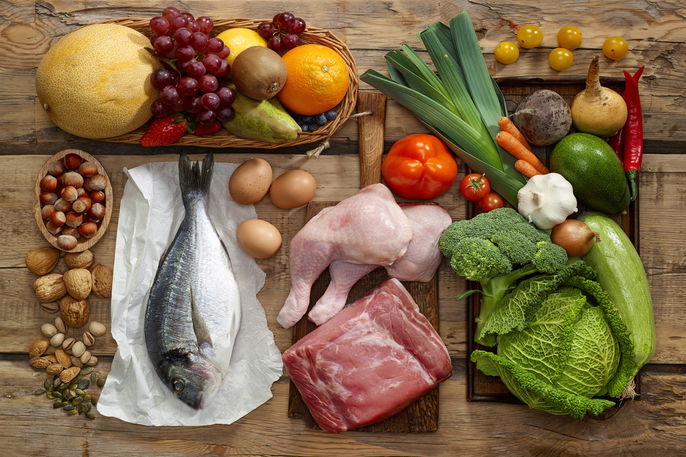
The paleo diet may help lower the risk of heart disease, support weight loss, and help regulate blood sugar levels. These potential benefits are linked to an emphasis on whole foods such as fruits, fish, lean meats, vegetables, and nuts.
Even so, the paleo diet should only be done with guidance from a registered dietitian. A personalized plan helps match individual nutrition needs and reduces the risk of nutrient deficiencies.
What is the paleo diet?
To follow the paleolithic (paleo) diet, it is recommended to eat only animal-based foods and natural plant foods, avoiding foods that became common during the agricultural era, such as rice, beans, wheat, oats, and corn.
It is also recommended to eliminate milk and dairy products, sugar, and ultra-processed foods, keeping a diet based on fruits, vegetables, meats, and healthy fats such as walnuts, avocado, and olive oil.
On the paleo diet, there is no fixed rule for spacing meals. It is generally recommended to eat when hungry and stop when full.
However, the diet should be guided by a registered dietitian and tailored to individual needs to help prevent nutrient deficiencies, such as low calcium intake, low B-complex vitamins, and low vitamin D.
Paleo diet vs low carb diet
On the paleo diet, all types of grains should be avoided, such as rice, wheat, corn, and oats, as well as milk and dairy products.
On a low carb diet, grains can be eaten in small amounts, and milk and dairy products are allowed.
What to eat
Foods allowed on the paleo diet include:
-
Fruits, such as apple, pear, banana, orange, avocado, and pineapple;
-
Leafy greens and vegetables, such as Swiss chard, arugula, lettuce, spinach, carrot, bell pepper, zucchini, and eggplant;
-
Tubers, such as potato, sweet potato, yam, and cassava (yuca);
-
Proteins, such as fish, shellfish, frog, chicken, duck, eggs, rabbit, turkey, and goat meat;
-
Nuts, such as almonds, Brazil nuts, hazelnuts, walnuts, and macadamia nuts;
-
Seeds, such as pumpkin seeds, sesame seeds, and sunflower seeds.
In addition, the paleo diet can include healthy fats, such as olive oil, flaxseed oil, and avocado.
What to avoid
Foods that should be avoided on the paleo diet include:
-
Grains and foods that contain them: rice, wheat, oats, barley, amaranth, quinoa, and corn;
-
Legumes: beans, peanuts, peas, lentils, and soy;
-
Sugar and sweet foods: cookies, cakes, pasteurized juices, and soda;
-
Dairy: cheese, yogurt, cream, butter, and ice cream;
-
Ultra-processed foods: ready-made sauces, instant noodles, fast food meals, pizza, and hamburgers;
-
Processed meats: bacon, bologna, hot dogs, ham, sausage, and salami;
-
Salt and foods that contain it.
In addition, the paleo diet generally does not recommend alcoholic beverages, coffee, or refined vegetable oils such as refined soybean oil, refined canola oil, or refined sunflower oil.
Meal plan
The following table is an example of a 3-day paleo diet meal plan:
This meal plan is just an example. The types and amounts of foods should be adjusted according to each person’s individual nutritional needs.
For this reason, it is recommended to follow this diet with guidance from a registered dietitian, who can perform a full assessment and develop a meal plan based on individual nutrition needs.
Possible benefits
Possible benefits of the paleolithic diet include:
-
Supporting weight loss, as the proteins, fiber, and fats in the diet can help increase fullness;
-
Reducing the risk of cardiovascular disease, because eating foods rich in antioxidants may help prevent fat buildup in blood vessels
-
Helping to prevent diabetes, due to regulation of blood sugar levels;
-
Improving bowel function, because it is a diet rich in fiber;
-
Helping to increase muscle mass, because it is a diet rich in protein, such as eggs, meats, and fish.
However, more robust scientific studies are still needed to assess the safety, effectiveness, and long-term health effects of the paleo diet.
Healthy recipes
Some simple and healthy recipes you can try as part of the paleo diet include:
1. Salad with mushrooms
Ingredients:
-
100 g lettuce, arugula, and spinach;
-
200 g mushrooms;
-
2 slices bell pepper, chopped;
-
½ mango;
-
30 g sliced almonds;
-
Orange and lemon juice for dressing.
Directions:
Wash the lettuce, arugula, and spinach and let them dry. Using a soft-bristle brush, clean the mushrooms and slice them thinly, then cut the mango into small cubes and set aside.
In a serving bowl, combine all ingredients, dress with orange and lemon juice, and serve. This salad can be eaten for lunch or dinner.
2. Papaya cream with chia seeds
Ingredients:
-
40 g chia seeds;
-
20 g unsweetened shredded coconut;
-
40 g cashews;
-
2 persimmons, chopped;
-
1 papaya, cut into small cubes;
-
Juice of 2 passion fruits;
-
200 mL filtered or boiled water;
-
Unsweetened shredded coconut to decorate.
Directions:
In a jar, mix the chia seeds and coconut. In another bowl, combine the cashews, persimmon, papaya, and water, stirring until the mixture becomes very smooth.
Add the chia and coconut mixture and let it rest for 20 minutes, stirring occasionally.
Divide into smaller bowls and top with passion fruit pulp and fresh shredded coconut. This cream should be eaten within 2 days.