


A fatty liver diet focuses on eating fresh fruits, vegetables, whole grains, and lean protein while limiting sugar, refined carbohydrates, and high-fat foods. This approach helps reduce fat buildup in the liver and supports overall metabolic health.
A fatty liver diet may also help relieve symptoms such as discomfort in the upper abdomen, poor appetite, and headaches, while lowering the risk of complications like cirrhosis. In addition to food choices, avoiding alcohol and maintaining healthy habits play an important role in treatment.
Fatty liver, also known as hepatic steatosis, is commonly linked to obesity, poor diet, and conditions like diabetes or high cholesterol. A structured fatty liver diet includes recommended foods, items to limit or avoid, and sample meal plans to help manage and prevent disease progression.
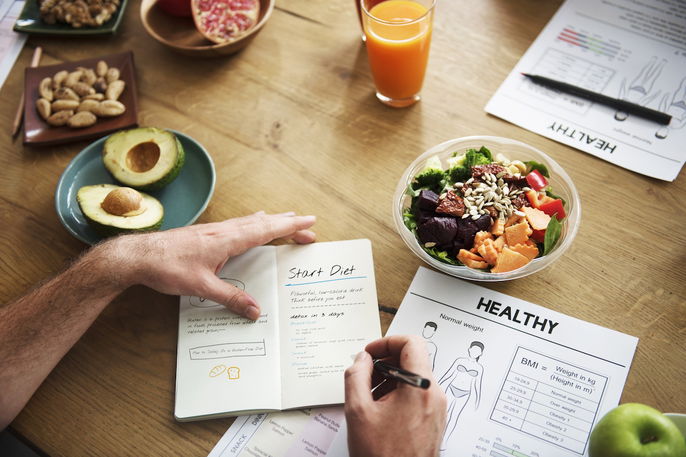
What to eat
Foods that should be prioritized in a fatty liver diet include:
- Fresh fruits, such as apples, pears, pineapple, peaches, papaya, strawberries, kiwi, tangerines, oranges, soursop, lemons, and plums
- Fresh vegetables, such as zucchini, arugula, spinach, eggplant, lettuce, tomatoes, onions, carrots, and watercress
- Legumes, such as beans, lentils, and chickpeas
- Whole grains, such as brown rice, whole wheat bread, whole grain pasta, quinoa, wild rice, black rice, and rolled oats
- Low-fat proteins, such as eggs, tofu, lean red meat, skinless chicken, turkey, and especially fish
- Milk and low-fat dairy products, such as skim milk, yogurt, ricotta, and cottage cheese
A fatty liver diet should focus mainly on fresh, natural foods while limiting processed foods.
Food to consume in moderation
Some foods, despite containing fats, can be consumed in moderation and in small portions in cases of fatty liver. These include olive oil, avocado, coconut, peanuts, chestnuts, walnuts and fish that is rich in omega-3, such as salmon and sardines.
These foods are rich in monounsaturated and polyunsaturated fat, and contain compounds with antioxidant properties as well as fiber, which is why they should not be completely eliminated from the diet.
Foods to avoid
Foods to avoid when treating fatty liver include:
-
High-fat foods, such as yellow cheeses, bacon, lamb, beef sirloin, chicken skin, pork, chocolate, butter, and margarine
-
Refined grains, such as white rice, white pasta, white bread, and oat flour
-
High-sugar foods, such as cookies, ice cream, syrup-based sweets, jellies, and processed fruit juices (boxed, bottled, or powdered)
-
Processed and ultra-processed foods, such as ready-made sauces, instant noodles, sliced bread, and frozen meals
-
Cold cuts, such as ham, turkey breast, sausage, mortadella, salami, and loin
-
Fried foods
-
Fast food and frozen options, such as nuggets, fries, hamburgers, lasagna, and pizza
Alcoholic beverages, such as beer and wine, should also be avoided. According to the National Institute of Diabetes and Digestive and Kidney Diseases, people with nonalcoholic fatty liver disease should minimize alcohol use because it can further damage the liver.
3-day meal plan
The following table shows a sample 3-day meal plan for fatty liver:
This meal plan is an example and may vary based on your health history and individual goals. For personalized guidance, it is recommended to consult a registered dietitian.
Other recommendations
Along with following a fatty liver diet, it is also important to stay well hydrated throughout the day. Drinking at least 2 liters of water per day is recommended, and teas like boldo, artichoke, and green tea may also help increase fluid intake.
Getting 7 to 9 hours of sleep per night and exercising regularly are also important. According to the World Health Organization, adults should get at least 150 to 300 minutes of moderate-intensity physical activity per week, and regular exercise supports metabolic health, which may help lower fat buildup in the liver.
