


A gastritis diet is a bland diet made of foods that are easy to digest and low in fat. During a flare-up, it should also be low in fiber. Good options include bananas, applesauce, cooked carrots, skinless chicken, eggs, white rice and peeled potatoes.
During a flare-up, avoid fried and fatty foods, spicy foods, citrus fruits, tomatoes, coffee, soda and alcohol. These foods can irritate the stomach lining and make pain, burning and that "too full" feeling worse.
Diet helps relieve symptoms, but it does not replace the treatment your doctor prescribes. The most common cause of gastritis is an infection with the bacteria Helicobacter pylori (H. pylori), which needs antibiotics. Food tolerance also varies from person to person, so a registered dietitian can help create a plan that fits your needs.
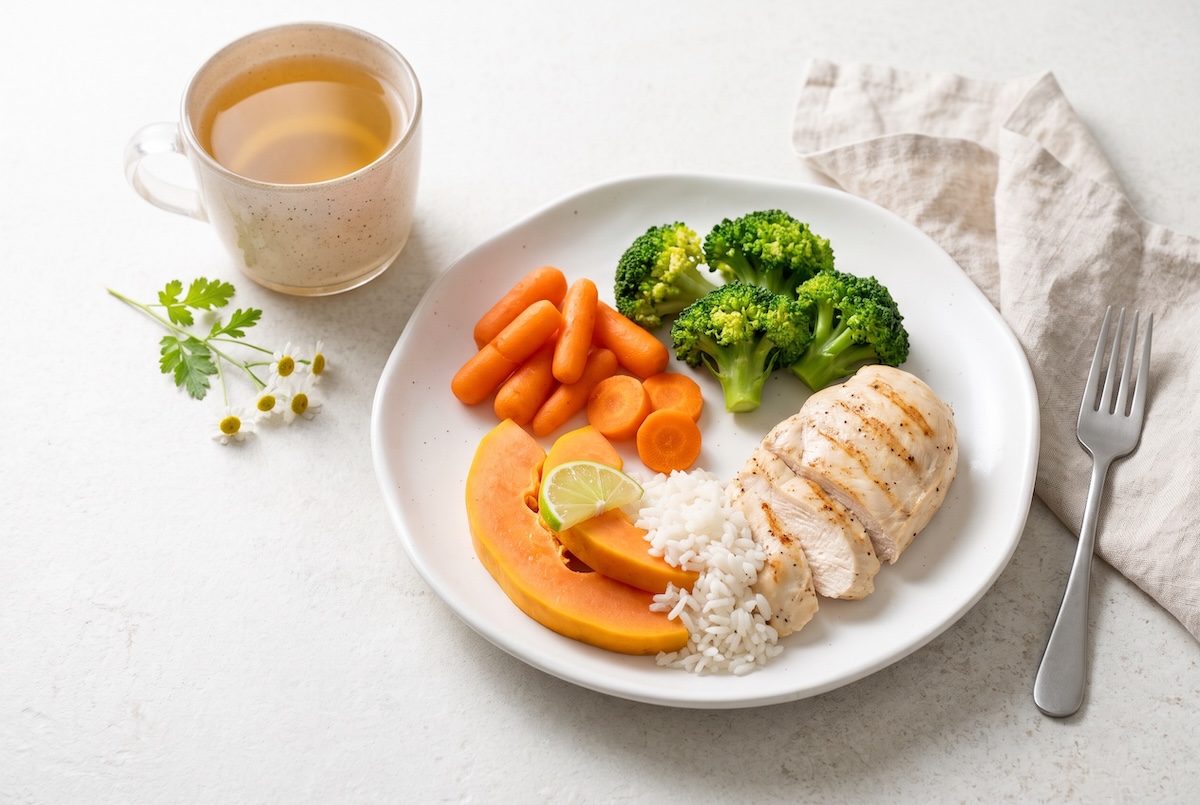
What to eat with gastritis
During a gastritis flare-up, choose soft, mild foods that are easy to digest. Foods you can eat include:
- Fruits, peeled and seedless, and ideally cooked or mashed, like bananas, apples, pears, papaya, peaches, cantaloupe, honeydew and watermelon. Unsweetened applesauce and 100% fruit spreads with no added sugar are also good options;
- Vegetables, peeled, seedless and cooked or pureed, like zucchini, carrots, butternut squash, pumpkin, spinach and green beans;
- Lean meats and seafood, like skinless chicken and turkey breast (fresh, not deli meat), white fish, tuna canned in water and well-cooked shrimp, as well as eggs;
- Plant proteins, like tofu and well-cooked seitan;
- Low-fat dairy, like skim or 1% milk, plain low-fat yogurt, low-fat cottage cheese and part-skim ricotta. If you are lactose intolerant, choose lactose-free versions;
- Refined grains and starches, like white rice, pasta, white bread, cream of rice, cream of wheat and peeled potatoes or sweet potatoes;
- Plant-based milks, like unsweetened almond, oat or rice milk;
- Olive oil, uncooked and in small amounts;
- Mild herbs, like parsley, basil, oregano, thyme and cinnamon;
- Simple snacks, like saltine crackers, plain rice cakes and sugar-free gelatin (Jell-O);
- Caffeine-free herbal teas, like chamomile, ginger, lemon balm or fennel tea.
Garlic and onion can be used in small amounts if well cooked. However, they can cause heartburn or gas in some people, so skip them if they make your symptoms worse.
Also recommended: How to Relieve Gastritis Pain Fast (with 10 Natural Remedies) tuasaude.com/en/home-remedies-for-gastritisDuring a flare-up, it is best to limit high-fiber foods, like whole grains and raw vegetables. These foods stay in the stomach longer and can increase discomfort.
Because food tolerance varies, a helpful strategy is to keep a food journal. Write down what you eat and drink each day and any symptoms you notice. This makes it easier to spot the foods that trigger your gastritis.
How to prepare your food
Cook foods by grilling, steaming, baking, boiling or poaching. Avoid fried, breaded and battered foods, as well as greasy stews, gravies and creamy sauces.
Meat is easier to digest when shredded, ground or cut into thin strips. Fruits and vegetables should be peeled, seedless and preferably cooked, mashed or blended.
Soft meals, like purees, mashed potatoes and blended soups, are good choices. Chew each bite well and serve food warm, not too hot or too cold.
Frequently asked questions
-
Not during a flare-up. Salmon is higher in fat, which slows digestion and can worsen symptoms, so lean white fish like cod or tilapia is a better choice. Once symptoms improve, 3 to 4 oz of baked or grilled salmon is usually well tolerated.
Read more: 11 Salmon Benefits, Nutrition Facts & Healthy Recipes
-
Not during a flare-up. Pineapple is acidic and can increase burning and stomach pain. When symptoms improve, try a small portion of ripe pineapple after a meal and see how you feel.
Read more: 8 Pineapple Benefits (plus Nutrition, How to Eat & Recipes)
-
Yes. Ripe bananas are soft, low in acid and easy to digest, making them one of the best fruits for gastritis.
Read more: Are Bananas Good For You? 12 Benefits, Nutrition & Recipes
-
Yes. Watermelon is mild, low in acid and mostly water. Remove the seeds and eat it in small portions to avoid bloating.
Read more: 11 Watermelon Benefits (plus Nutrition Info & Recipes)
-
Yes. Eggs are a good source of protein. Choose boiled, poached or scrambled eggs cooked without butter or oil, and avoid fried eggs.
Read more: How Many Eggs Can You Eat a Day? (& How to Make Them)
-
No. Spicy food does not cause gastritis, but it can irritate an inflamed stomach and make symptoms worse, so avoid it during a flare-up.
Foods to avoid with gastritis
During a gastritis flare-up, avoid fatty, fried, spicy, acidic, highly processed and high-fiber foods, as well as coffee and alcohol. Foods to avoid include:
- Processed and fatty meats, like bacon, sausage, hot dogs, pepperoni, salami, bologna, deli meats (including turkey deli meat), fatty cuts of beef or pork, chicken skin and organ meats;
- Fried foods, like French fries, fried chicken, onion rings, chicken tenders and anything breaded or battered;
- High-fiber foods, like whole wheat bread, brown rice, whole wheat pasta, oatmeal, popcorn, nuts, seeds, beans, lentils, corn, and raw or unpeeled fruits and vegetables;
- Aged and processed cheeses, like cheddar, American cheese, pepper jack, provolone, parmesan and cream cheese;
- High-fat dairy, like whole milk, heavy cream, sour cream, ice cream, milkshakes and butter;
- Spicy and irritating sauces and seasonings, like hot sauce, salsa, chili powder, black pepper, ketchup, mustard, barbecue sauce, mayonnaise, tomato sauce and bouillon cubes;
- Acidic fruits, like oranges, grapefruit, lemons, limes, pineapple, strawberries and tomatoes;
- Caffeinated and mint teas, like green, black, matcha, yerba mate and peppermint tea;
- Irritating drinks, like coffee (including decaf), soda, energy drinks, sports drinks, store-bought juices and alcohol;
- Sugar and sweets, like cakes, cookies, donuts, candy, chocolate and pastries;
- Fast food and ultra-processed foods, like pizza, burgers, chicken nuggets, chips, instant noodles and frozen dinners.
These foods take longer to digest or increase stomach acid, which can make pain and burning worse.
7-day gastritis meal plan for a flare-up
The table below shows a sample 7-day bland diet menu for a gastritis flare-up:
The amounts in this menu are only a guide and depend on your age, sex, activity level and other health conditions. A registered dietitian can adjust the plan to your needs.
Also recommended: Gastritis: Symptoms, Causes & Treatment tuasaude.com/en/gastritisWhat to eat after a gastritis flare-up
After a flare-up, add high-fiber foods back slowly, one at a time and in small portions. These include raw vegetables, like lettuce and cucumber; whole grains, like oatmeal, brown rice and whole wheat bread; beans, chickpeas and lentils; seeds, like chia and ground flaxseed; nuts, like walnuts and almonds; and fruits with the skin on. See more high-fiber foods.
Even when you feel better, keep limiting fatty, fried and spicy foods, coffee and alcohol to lower the risk of another flare-up. You can go back to normal food textures, but keep chewing well and eating slowly.
7-day meal plan to prevent flare-ups
The table below shows a sample 7-day menu to help prevent new gastritis flare-ups:
These amounts are only a reference and should be adjusted for each person with the help of a registered dietitian.
Also recommended: tuasaude.com/enGastritis-friendly recipes
These simple recipes for gastritis and ulcers use bland, low-fat ingredients and can be eaten during a flare-up.
1. Cream of rice with banana (breakfast)
Ingredients:
- 1/4 cup of cream of rice;
- 1 cup of skim milk or unsweetened almond milk;
- 1/2 ripe banana, mashed;
- 1 pinch of cinnamon.
How to make:
Bring the milk to a simmer in a small pot. Stir in the cream of rice and cook over low heat for 1 to 2 minutes, stirring constantly, until thick. Remove from heat, mix in the banana and sprinkle with cinnamon. Let it cool slightly before eating.
2. Chicken and rice soup
Ingredients:
- 1 lb of skinless chicken breast;
- 6 cups of water;
- 2 carrots, peeled and sliced;
- 1 medium potato, peeled and cubed;
- 1 zucchini, peeled and cubed;
- 1/2 cup of white rice;
- 1 pinch of salt;
- Chopped fresh parsley to taste.
How to make:
Add the chicken, water and salt to a large pot and bring to a boil. Lower the heat and cook for 20 minutes. Remove the chicken, shred it with a fork and set aside.
Add the carrots, potato and rice to the pot and cook for 15 minutes. Add the zucchini and shredded chicken and cook for 5 more minutes, until everything is soft. Turn off the heat, add the parsley and serve warm, not hot.
3. Baked cod with mashed potatoes
Ingredients:
- 2 cod fillets (4 oz each);
- 1 teaspoon of olive oil;
- 1 pinch of salt;
- Fresh thyme and parsley to taste;
- 2 medium potatoes, peeled and cubed;
- 1/4 cup of skim milk.
How to make:
Preheat the oven to 400 °F. Place the fish on a baking sheet lined with parchment paper, brush with olive oil and season with salt, thyme and parsley.
Bake for 12 to 15 minutes, until the fish flakes easily with a fork. Meanwhile, boil the potatoes for 15 minutes, drain and mash them with the warm milk.
4. Baked apples or pears
Ingredients:
- 4 apples or pears;
- 1/2 cup of water;
- 1 teaspoon of cinnamon.
How to make:
Preheat the oven to 350 °F. Peel and core the fruit and place it in a baking dish. Pour the water into the bottom of the dish and sprinkle the fruit with cinnamon. Bake for about 30 minutes, until soft. Serve warm as a snack or dessert.
5. Papaya and banana smoothie
Ingredients:
- 1 cup of ripe papaya, peeled and seedless;
- 1/2 ripe banana;
- 1 cup of unsweetened almond milk or skim milk.
How to make:
Blend all the ingredients until smooth. Drink right away, at room temperature or slightly cool, not ice-cold.
Diet for stomach ulcers
The same diet can be followed by people with stomach ulcers (peptic ulcers). Bland, low-fat foods help relieve pain while the ulcer heals with the treatment prescribed by your doctor.
Like gastritis, most ulcers are caused by H. pylori or by regular use of pain relievers like ibuprofen, naproxen and aspirin.
Also recommended: H. Pylori Diet: Foods to Eat & Avoid (+ 7-Day Meal Plan) tuasaude.com/en/diet-for-h-pyloriGastritis diet with acid reflux
If you have gastritis and acid reflux, also avoid foods that relax the valve between the esophagus and the stomach. These include chocolate, peppermint, coffee, alcohol and very fatty meals.
It also helps to finish dinner at least 2 to 3 hours before going to bed and to raise the head of your bed.
Also recommended: 20 Foods To Avoid with Acid Reflux (& What To Eat Instead) tuasaude.com/en/foods-to-avoid-with-acid-refluxOther tips to relieve gastritis
Other tips that can help relieve gastritis symptoms include:
- Eat 3 main meals and 2 to 3 snacks per day, at regular times, without skipping meals;
- Eat small portions, because large meals slow down digestion;
- Eat slowly, chew well and eat in a calm place;
- Drink 6 to 8 cups (1.5 to 2 liters) of water per day, in small sips and preferably between meals;
- Avoid very hot food and drinks;
- Do not lie down for 2 to 3 hours after eating. If you have heartburn at night, raise the head of your bed 6 to 8 inches with blocks or use a wedge pillow, instead of stacking pillows;
- Avoid tight clothing and belts;
- Do not smoke and avoid alcohol;
- Do not take anti-inflammatory pain relievers, like ibuprofen (Advil, Motrin), naproxen (Aleve) or aspirin, without your doctor's advice, as they are a common cause of gastritis.
It is also important to follow the treatment prescribed by your doctor or gastroenterologist. See how gastritis is treated.
When to see a doctor
See a doctor if your symptoms last more than 1 week or come back often, even if you follow the diet. Go to the emergency room or call 911 if you have black or bloody stools, vomit blood or something that looks like coffee grounds, or have sudden, severe stomach pain.
