


- Seek immediate medical attention if left-sided rib pain is accompanied by shortness of breath, dizziness, or fainting, as these can be signs of heart or lung complications.
- Monitor for systemic red flags like high fever, persistent vomiting, or blood in the stool and urine, which may indicate serious infections or organ damage.
- Identify sudden or intense pain that radiates to the back or shoulder, as this often signals acute conditions like pancreatitis or a ruptured spleen that require urgent care.
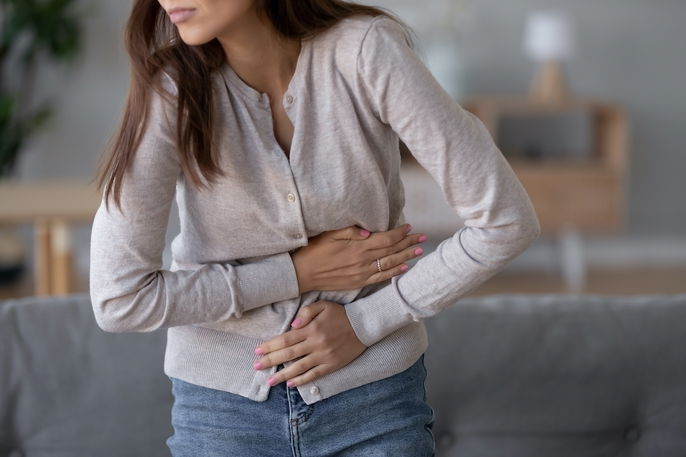
Pain under the left rib cage is a common symptom that can be caused by a wide range of conditions. It may be related to digestive issues, muscle strain, or even something as simple as trapped gas. However, in some cases, this pain can signal serious problems involving the heart, pancreas, spleen, or lungs.
This pain is often described as upper left abdominal pain, and can sometimes appear as left rib pain when breathing or coughing, or as pain under the left ribs after eating. Because the area contains several vital organs, it's important to evaluate the cause of pain based on associated symptoms, severity, and duration.
Treatment depends on the underlying cause, and may involve diet changes, anti-inflammatory or antibiotic medications, lifestyle adjustments, or hospitalization in more severe cases. In any situation involving persistent or intense pain, it is essential to seek medical attention.
1. Pancreatitis
Pancreatitis is an inflammation of the pancreas, an organ located behind the stomach, in the left upper quadrant. It is responsible for producing digestive enzymes and hormones like insulin, glucagon and somatostatin. Other symptoms of pancreatitis include nausea, vomiting and fever. See how these symptoms vary from pancreatic cancer.
Usually, the most common cause of pancreatitis is excessive alcohol intake, however it can also be caused by viral infections (like measles or mumps), gallbladder stones, cystic fibrosis or use of certain medications (like liraglutide, losartan, or corticosteroids).
Symptoms
Nausea, vomiting and fever.
What it feels like
Pancreatitis is often associated with an intense pain under the left rib cage that can radiate to the back. The pain may worsen after eating or drinking, especially fatty foods.
Treatment
You should see a general physician or gastroenterologist, who may recommend admission to the hospital for IV treatment of fluids and analgesic medication. In more serious cases, surgery might be necessary. See how pancreatitis treatment can vary depending on acute or chronic cases
Diet changes (like avoiding fatty foods) can help to reduce risk of pancreatitis flares. Supplements like oral enzymes can also be recommended by your doctor. Recent guidelines emphasize individualized pain management and early enteral nutrition to improve outcomes. Learn more about the pancreatitis diet your doctor may recommend.
2. Costochondritis
Costochondritis is an inflammation of the cartilage that connects the ribs to the sternum. The sternum is a bone located in the middle of the chest that supports the rib cage and clavicles. This inflammation can happen due to infection, physical trauma or arthritis.
Symptoms
Pain or tenderness where the ribs meet the sternum, often worsened by breathing, coughing or pressing on the area.
What it feels like
This pain will often feel like a pressure under the rib cage, with discomfort localized to one or more rib bones. This pain often increases with breathing or coughing. In some cases, the area may be tender to the touch.
Treatment
You should reduce your activity and rest. Apply a warm compress to any painful areas and avoid any movement that can worsen the pain, like carrying heavy objects or playing any sports.
It is important to seek the advice of a doctor, who may recommend medication like anti-inflammatories (e.g. naproxen) or physiotherapy and stretching. New evidence supports physical therapy focused on posture and chest mobility as effective for symptom control.
3. Pericarditis
Pericarditis is an inflammation of the pericardium, which is a fluid-filled sac that wraps around the heart. When the pericardium becomes inflamed, it can cause sharp chest pain and breathing difficulties.
Pericarditis can occur due to an infection (like pneumonia or tuberculosis), lupus, rheumatoid arthritis, radiation therapy in the thorax, or use of medications like phenytoin, hydralazine, or phenylbutazone.
Symptoms
Pain worsens when lying down and improves when sitting up or leaning forward. May be accompanied by shortness of breath or fatigue.
What it feels like
This pain is often felt on the left side of the chest, and typically worsens when laying down. It may improve when sitting up or leaning forward. A pericardial friction rub can sometimes be heard during auscultation.
Also recommended: Heart Attack Symptoms: 10 Warning Signs (& What to Do) tuasaude.com/en/symptoms-of-heart-attackTreatment
If you have any symptoms that could indicate pericarditis, you should see a cardiologist. Medications like anti-inflammatories (e.g. ibuprofen), colchicine or corticosteroids can help to decrease pain and inflammation. Pericarditis caused by infection can also be treated with antibiotics, like amoxicillin or ciprofloxacin. Surgical intervention, such as pericardiocentesis, may be necessary if fluid accumulation leads to cardiac tamponade.
4. Pleuritis
Pleurisy, also known as pleuritis, is a condition where the pleura (the membrane that wraps your lungs) becomes inflamed. Pleurisy can be caused by bacterial, viral or fungal pneumonia, lung cancer or a pulmonary embolism.
Symptoms
Shortness of breath, difficulty breathing and fever.
What it feels like
This pain will be felt on the left, right or both sides of the chest, and is often worse with breathing, coughing or sneezing. A pleural friction rub may be noted on auscultation.
Treatment
You should see a pulmonologist or general physician for treatment. This treatment might include anti-inflammatories to treat the swelling (like ibuprofen or naproxen), antibiotics to treat a pneumonia or anticoagulants to treat a pulmonary embolism. The doctor may also prescribe bronchodilators to help with breathing.
5. Kidney stones
Kidney stones occur when calcium and salt deposits harden and turn into stone-like masses. This can back-up the flow of urine.
Symptoms
Burning with urination, nausea, vomiting, fever, or blood in the urine.
What it feels like
Pain from kidney stones is often felt deeply in the lower back, but it can radiate up toward the ribs of the affected side.
Treatment
Proceed to a hospital and seek medical attention, as IV analgesics can help to relieve pain instantly. In other cases, the doctor may opt to perform a procedure like lithotripsy, ureteroscopy or nephrolithotomy to remove or break-up any kidney stones that are causing a urinary obstruction.
It is important to increase your fluid intake to encourage frequent urination, as this will help to prevent kidney stone formation. Check-out other home remedies for kidney stones that you can prepare to complement your medical treatment.
6. Gastritis
Gastritis is an inflammation of the lining of the stomach. This inflammation can be caused by medications that aggravate the stomach lining (like anti-inflammatories), excessive alcohol intake, or an infection of H. pylori bacteria.
Also recommended: Stress-Induced Gastritis: Symptoms, Causes & Treatment tuasaude.com/en/stress-induced-gastritisSymptoms
Burning in the esophagus, nausea, slow digestion, fullness, and frequent burping.
What it feels like
This pain is often sharp and felt in the left upper abdomen. It can worsen after eating or when the stomach is empty.
Treatment
Maintain an overall light diet made-up of fresh greens, cooked fruits, and lean meats with minimal spices or sauces. You should drink mostly water and avoid any food or beverages that can irritate the stomach lining, like coffee, chocolate, alcohol and other fizzy drinks. read more about the gastritis diet your doctor may recommend.
In addition, you should consult a gastroenterologist, who may recommend an endoscopy to confirm a diagnosis of gastritis.
Gastritis treatment may include a prescription of stomach protectors (like omeprazole, lansoprazole or pantoprazole) or antibiotics if H. pylori is present. Some studies suggest food-based approaches (e.g. broccoli sprouts) may help reduce symptoms.
7. Spleen inflammation
The spleen is an organ that is located in the upper left quadrant of the abdomen. This organ is necessary for filtering blood and removing damaged red blood cells. It also produces and stores white blood cells from the immune system.
Symptoms
Abdominal bloating, loss of appetite, excessive fatigue and fever.
What it feels like
Spleen pain is felt in the upper left abdomen, and can be noticed when coughing or palpating the area.
Treatment
Spleen inflammation can be confirmed by a doctor through physical assessment (of the presenting symptoms and abdominal palpation) combined with blood work that looks at blood counts, liver function, lipase levels and other rheumatological tests. The doctor may also opt to order an ultrasound to visualize the state of the spleen.
Mild swelling can be managed with analgesics, anti-inflammatories and/or antivirals as needed, while imminent ruptures may require surgical removal of the organ.
8. Irritable bowel syndrome
Irritable bowel syndrome, commonly referred to as IBS, is a condition in which intestinal villi become inflamed. It is associated with symptoms such as pain under the left ribs, bloating, excess gas and alternating periods of constipation and diarrhea.
Symptoms
Abdominal bloating, cramping, excess gas, constipation or diarrhea.
What it feels like
Pain from IBS can be described in different ways, with some patients reporting bloating, cramping, pressure or fullness. These symptoms are typically exacerbated by specific foods. IBS symptoms are usually relieved after bowel movements and do not cause structural changes in the intestines.
Treatment
Treatment for irritable bowel syndrome should be directed by a gastroenterologist and a registered dietitian. It may involve changes in eating habits, adopting an IBS diet, use of medication and psychotherapy to manage stress-induced symptoms.
Current guidelines also emphasize a low FODMAP diet and gut-directed cognitive behavioral therapy as effective approaches.
9. Diverticulitis
Diverticulitis is the inflammation and infection of diverticula. These are small structures that can appear on the walls of the intestine, and are most prevalent in the last portion of the colon.
Symptoms
Abdominal swelling, nausea, vomiting and pain.
What it feels like
Diverticulitis pain is usually felt below the chest, and can vary from the upper to lower abdomen, on either side of the rib cage.
Treatment
Diverticulitis treatment should be guided by a doctor and includes diet changes, antibiotics and analgesics to manage discomfort. A clear liquid diet is often recommended during acute phases, followed by gradual reintroduction of low-fiber foods. Surgery may be required in recurrent or complicated cases.
10. Crohn’s disease
Crohn's disease is an intestinal disease that is associated with chronic inflammation of the intestinal lining. It can be caused by genetic factors or poor functioning of the immune system.
Symptoms
Intestinal irritation, bleeding, sensitivity to some foods, diarrhea and pain under the ribs.
What it feels like
Depending on where you are experiencing inflammation in your gut, pain is often described as cramping, bloating or pressure. It tends to improve after a bowel movement.
Treatment
Crohn's disease has no cure, however, treatment is aimed at relieving symptoms and promoting a better quality of life through medication, diet changes and optimal lifestyle habits (like reducing stress and getting adequate sleep).
Also recommended: Crohn's Disease Diet: What to Eat & Avoid (with Meal Plan) tuasaude.com/en/crohns-disease-dietYour treatment plan should be monitored by a gastroenterologist and registered dietitian. Biologics, corticosteroids, and immunosuppressants may be prescribed for moderate to severe cases.
11. Stomach ulcer
A stomach ulcer is a lesion that appears in the tissue lining the stomach and can be caused by several factors, such as H. pylori infection or a nutrient-poor diet.
Symptoms
Indigestion, nausea, loss of appetite and general malaise.
What it feels like
In general, gastric ulcers do not cause pain, but when pain is felt, it is usually in the upper stomach opening, and is often described as burning. In some cases, this pain radiates to the ribs and can be felt on the left or right side.
Treatment
It is important to consult a gastroenterologist for testing that confirms a stomach ulcer, like an endoscopy. Treatment may involve the use of antibiotics, antacids, and protein-pump inhibitors such as omeprazole, pantoprazole or esomeprazole.
Ulcer surgery may also be indicated for more serious cases. Follow-up to confirm H. pylori eradication is strongly advised.
12. GERD
Gastroesophageal reflux, or GERD, is characterized by the backflow of stomach contents up to the esophagus and towards the mouth. It occurs due to the malfunction of the sphincter that separates the stomach from the esophagus.
Symptoms
Heartburn, belching and difficulty swallowing.
What it feels like
Some patients describe GERD-related pain as burning in the chest and throat, and a feeling of heaviness in the stomach. Increased acidity can cause a burning and stinging sensation in the pit of the stomach, which may radiate to the left or right rib cage.
Treatment
The treatment of this condition is highly reliant on diet changes and maintaining a GERD diet. The doctor may also prescribe GERD medications, such as stomach protectors, antacids and medicine that delays gastric emptying.
Avoiding large meals, eating several hours before lying down, and elevating the head of the bed can also help manage symptoms.
When to see a doctor
You should seek medical care immediately if you experience:
-
Sudden, severe pain
-
Pain with shortness of breath, dizziness, or fainting
-
Pain after a recent injury or trauma
-
Fever, vomiting, or blood in stool or urine
If your pain is mild but lasts more than two days, or if it returns frequently, consult a healthcare provider for proper diagnosis and treatment.