


Lymphocytosis is a condition that occurs when the number of lymphocytes (also known as white blood cells) is higher than normal in the bloodstream.
In most cases, high lymphocyte levels mean the body’s immune system is reacting to a microorganism, such as in cases of mononucleosis, measles, tuberculosis, or hepatitis.
Lymphocytosis can also result from abnormal production of these cells, as seen in leukemia or lymphoma. It’s important for a healthcare provider to interpret the results of a blood test alongside other diagnostic exams to identify the underlying cause of lymphocytosis.
Making a diagnosis
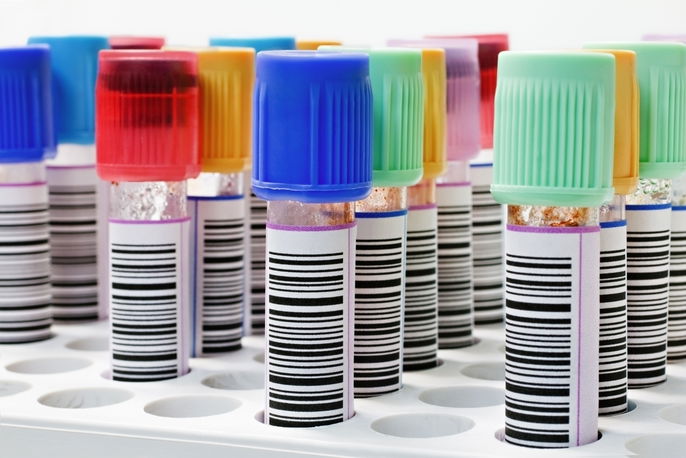
Lymphocytosis is diagnosed with a complete blood count (CBC with differential), a test that evaluates all the blood cells, including lymphocytes.
It is considered lymphocytosis when more than 3,900 lymphocytes are found per mm³ of blood, although this number may vary depending on the lab running the test.
The number of circulating lymphocytes should be evaluated by a hematologist, a primary care provider, or the doctor who ordered the test.
Main causes
An increase in lymphocytes can have several different causes. The main ones include:
1. Mononucleosis
Mononucleosis, also known as the “kissing disease,” is caused by the Epstein-Barr virus. It’s transmitted through saliva, by kissing, coughing, sneezing, or sharing utensils and glasses.
Because lymphocytes play a key role in immune defense, it’s normal for their levels to rise during infection. Blood tests may also show other changes, such as atypical lymphocytes and increased monocytes.
What to do: This infection typically clears on its own within four to six weeks as the immune system fights off the virus.
However, a doctor may prescribe medications to relieve symptoms, such as pain relievers and fever reducers (analgesics and antipyretics like acetaminophen) and anti-inflammatory drugs to reduce pain and discomfort
2. Tuberculosis
Tuberculosis is an infectious disease caused by Mycobacterium tuberculosis (Koch’s bacillus) that mainly affects the lungs and spreads from person to person. The disease can remain dormant for years but, when active, causes symptoms such as coughing up blood or mucus, night sweats, fever, and weight loss and loss of appetite.
If tuberculosis is suspected due to symptoms and abnormal blood test results, the provider may order a PPD skin test. This test measures the skin’s reaction to a small injection of a bacterial protein to confirm exposure to the infection.
Also recommended: TB Test: What Is It, How It’s Done & Positive or Negative Result tuasaude.com/en/tb-testWhat to do: Tuberculosis treatment should be managed by a pulmonologist or infectious disease specialist and usually lasts about six months. It involves a combination of antibiotics that must be taken for the full duration, even if symptoms improve. Regular follow-ups and sputum tests are essential to ensure the bacteria have been completely eliminated.
3. Measles
Measles is a viral infection that primarily affects children under one year of age. It causes symptoms such as red spots on the skin and throat, red eyes, cough, and fever.
In addition to high lymphocyte levels, blood and immune tests may reveal other abnormalities, such as elevated C-reactive protein (CRP), which indicates infection.
What to do: It’s important to see a healthcare provider as soon as symptoms appear. While there is no specific antiviral treatment for measles, a doctor can prescribe medications to relieve discomfort.
Vaccination is the best way to prevent measles. It’s recommended for both children and adults and is typically available for free at doctor's offices and public health clinics.
Also recommended: Measles Vaccine: Indications, Vaccine Schedule & Side Effects tuasaude.com/en/measles-vaccine4. Hepatitis
Hepatitis is an inflammation of the liver caused by different viruses, medications, drugs, or toxins. The main symptoms include:
-
Yellowing of the skin and eyes (jaundice);
-
Loss of appetite and weight loss;
-
Swelling on the right side of the abdomen;
-
Fever.
Because hepatitis is caused by viruses, the immune system responds by increasing lymphocyte production.
What to do: Treatment depends on the cause. In viral hepatitis, the doctor may prescribe antiviral medications, recommend rest, and encourage increased fluid intake. In cases of drug-induced hepatitis, the doctor will advise stopping or replacing the medication that caused the liver damage.
5. Acute lymphocytic leukemia (ALL)
Acute lymphocytic leukemia (ALL) is a type of cancer that begins in the bone marrow, the organ responsible for producing blood cells. It’s called “acute” because immature lymphocytes are released into the bloodstream before they mature.
Since these immature lymphocytes cannot function properly, the bone marrow produces more lymphocytes to compensate, resulting in lymphocytosis. Blood tests may also show a low platelet count (thrombocytopenia).
ALL is the most common type of cancer in children and has a high cure rate, though it can also occur in adults. Symptoms may include:
-
Pale skin;
-
Nosebleeds;
-
Bruising on the arms, legs, or around the eyes;
-
Swollen lymph nodes in the neck, armpits, or groin;
-
Bone pain;
-
Fever, fatigue, and shortness of breath.
What to do: It’s essential to consult a pediatrician or primary care provider as soon as symptoms appear. Diagnostic tests can then confirm the diagnosis.
Treatment usually involves chemotherapy and radiation therapy. In some cases, a bone marrow transplant may also be recommended.
6. Chronic lymphocytic leukemia (CLL)
Chronic lymphocytic leukemia (CLL) is a type of cancer that develops in the bone marrow. It’s considered “chronic” because both mature and immature lymphocytes are found in the bloodstream. CLL progresses slowly, and symptoms may go unnoticed for years.
Common symptoms include:
-
Swollen lymph nodes in the neck, armpits, or groin;
-
Night sweats;
-
Pain on the left side of the abdomen caused by an enlarged spleen;
-
Fever.
This condition mainly affects older adults, particularly women over 70 years old.
What to do: A primary care provider should assess the symptoms and refer the patient to a hematologist for additional testing, such as a bone marrow biopsy.
Once confirmed, treatment typically involves chemotherapy, immunotherapy, or a bone marrow transplant.
7. Lymphoma
Lymphoma is another type of cancer that develops from abnormal lymphocytes and can affect any part of the lymphatic system, including the spleen, thymus, tonsils, and lymph nodes.
The two main types are Hodgkin lymphoma and non-Hodgkin lymphoma. Both types share similar symptoms, such as:
-
Lumps in the neck, armpits, groin, or abdomen;
-
Fever;
-
Night sweats;
-
Unexplained weight loss;
-
Cough or shortness of breath.
What to do: People with these symptoms should see a healthcare provider, who will refer them to an oncologist or hematologist for further testing, such as blood work and imaging exams.
Treatment depends on the type and stage of the disease but generally includes chemotherapy, radiation therapy, and sometimes a bone marrow transplant.