


The HPV (human papillomavirus) vaccine is designed to prevent diseases caused by this virus, including genital warts and several types of cancer. It specifically helps protect against cancers of the cervix, vulva, vagina, and anus, as well as various precancerous lesions.
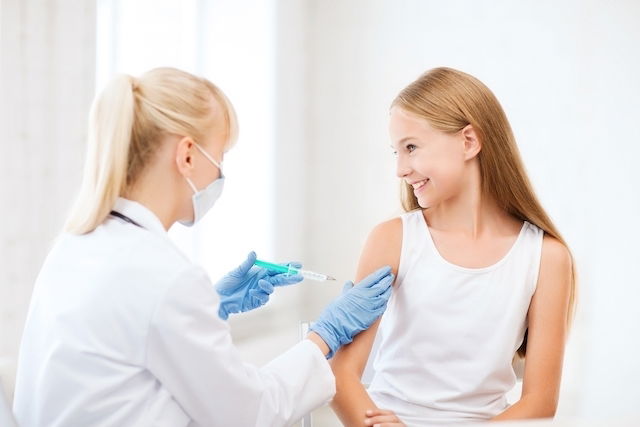
In the United States, this vaccine is typically administered as an injection to both boys and girls starting at age 9. While the vaccine is widely available through private insurance, public health programs often provide it at no cost to eligible children and young adults.
The vaccine is also recommended for adults up to age 45 in specific clinical situations, such as for those with certain medical histories. In these cases, a healthcare provider will determine if the vaccine is appropriate based on individual health factors and previous exposure.
Common types
As of 2026, the specific type of HPV vaccine available to you often depends on your geographic location. In the United States, healthcare providers almost exclusively use the nonavalent vaccine (Gardasil 9), while other versions remain important tools for public health programs in other countries.
The standard vaccine in the US
The nonavalent vaccine is currently the only HPV vaccine distributed in the United States. It provides the broadest level of protection available by targeting nine different subtypes of the virus:
-
HPV types 16, 18, 31, 33, 45, 52, and 58: These high-risk types are responsible for the majority of cervical, vaginal, vulvar, and anal cancers.
-
HPV types 6 and 11: These types are the primary cause of genital warts.
Because this vaccine covers the most strains, it has become the gold standard for prevention in the US healthcare system for both men and women.
Other vaccines available globally
While not currently distributed in the US, several other vaccines are used internationally to help reduce the global burden of cervical cancer:
-
Bivalent vaccines (such as Cervarix and Cecolin): These protect against the two most aggressive cancer-causing types, HPV 16 and 18. They are widely used in many national immunization programs because they are highly effective at preventing cervical cancer.
-
Quadrivalent vaccine (Gardasil): This version protects against four types (6, 11, 16, and 18). It prevents both the most common cancer-causing strains and the strains that cause genital warts.
Regardless of the specific brand, these vaccines all work by teaching the immune system to recognize and fight the virus before it can cause cellular changes. It is important to remember that these are preventive measures and are not designed to treat an infection that is already present.
Who can receive the vaccine
The HPV vaccine can be obtained through various pathways depending on your age and health coverage:
1. Public health programs and the VFC
In the United States, the Vaccines for Children (VFC) program is a primary public health resource. It provides vaccines at no cost to eligible children through age 18. Eligibility typically includes:
-
Children who are Medicaid-eligible.
-
Children who are uninsured or underinsured.
-
American Indian or Alaska Native children.
Many state health departments also offer immunization clinics for young adults aged 19 to 26 who missed their initial vaccinations. For those with HIV, AIDS, or other immunocompromising conditions, public health programs often extend support to ensure access to the full series through age 45. While the quadrivalent vaccine was common in the past, US public programs now exclusively provide the nonavalent version (Gardasil 9) because it offers broader protection.
2. Private health insurance
Most private health insurance plans in the US are required to cover the HPV vaccine as a preventive service with no out-of-pocket cost. This coverage is generally standard for:
-
Children and young adults up to age 26.
-
Adults aged 27 to 45 who decide to get vaccinated after a clinical discussion with their doctor.
For adults in the 27 to 45 age range, insurance coverage often depends on shared clinical decision-making. This means you and your healthcare provider discuss your specific risk for new HPV infections to determine if vaccination is beneficial. Because the nonavalent vaccine (Gardasil 9) is the only HPV vaccine currently distributed in the US, private clinics no longer offer the bivalent or quadrivalent versions mentioned in older guides.
HPV vaccine dosage schedules
1. Public health guidelines
Current CDC public health guidelines as of 2026 recommend the following schedule for the nonavalent vaccine:
-
Children aged 9 to 14: A single dose is now the recommended standard for this age group. Public health studies have shown that one dose provides a high level of protection similar to the older multi-dose schedules.
-
Immunocompromised individuals (9 to 45 years): A 3-dose series is still required. This includes an initial dose followed by a second dose 2 months later and a third dose 6 months after the first.
-
Adults aged 15 to 26: A 3-dose series is recommended if the person is just starting the vaccination process.
These public health recommendations focus on providing early protection to ensure the body develops a strong immune response before any exposure to the virus occurs.
2. Private healthcare schedules
In private clinical settings, healthcare providers follow schedules that align with both the CDC's clinical recommendations and the FDA-approved product labeling. While clinical practice is shifting toward fewer doses for young teens, many private insurers still follow a more traditional regimen based on the specific brand:
-
Nonavalent vaccine (Gardasil 9): For children starting the series between ages 9 and 14, a 2-dose schedule (given 6 to 12 months apart) is common. For those starting at age 15 or older, a 3-dose schedule (at 0, 2, and 6 months) is the standard.
Some private providers may now offer the single-dose option for children aged 9 to 14 following the 2026 CDC updates, though it is important to confirm coverage with your specific insurance carrier as they may still require the second dose for full reimbursement.
Contraindications and precautions
The HPV vaccine should not be administered to individuals who:
-
Are currently pregnant (though it can be administered postpartum).
-
Have a known allergy to any vaccine components.
-
Are suffering from a high fever or severe acute illness.
-
Have a significantly low platelet count or blood clotting disorders.
While the vaccine is highly effective at preventing infection, it does not replace the need for regular screenings. Women should continue to see a gynecologist annually for exams such as the Pap smear.
Side effects
Common side effects include localized pain, redness, or swelling at the injection site. These can be managed by applying a cold pack (wrapped in a cloth) to the area.
Some individuals may also experience headaches, dizziness, nausea, or a fever above 100.4°F (38°C). Fever can usually be managed with over-the-counter medication like acetaminophen. If symptoms persist or worsen, you should contact your healthcare provider.
FAQ
Some common question regarding the HPV vaccine include:
1. Why is it best to vaccinate before age 15?
The vaccine is most effective when given before a person becomes sexually active. This is why public health programs prioritize children and adolescents in the 9 to 14 age range.
2. Are tests required before getting the vaccine?
No specific HPV test is required before vaccination. However, individuals with HIV/AIDS or those undergoing cancer treatment should consult their doctor to ensure their immune system is ready for the vaccine.
3. Is a condom still necessary after vaccination?
Yes. The vaccine does not protect against other sexually transmitted infections (STIs) such as HIV or syphilis. Using a condom remains a vital part of sexual health.
4. Is the HPV vaccine safe?
Extensive clinical trials and global monitoring have shown that the vaccine is safe and does not cause serious long-term side effects in the general population.