


- Yeast infection home remedies may help ease itching, redness, and burning, but they are meant to support medical treatment rather than replace it.
- Common options include sitz baths (chamomile or barbatimão), coconut oil with tea tree oil, and other approaches that may offer antifungal and anti-inflammatory effects.
- Dietary support can also play a role, such as choosing probiotic foods (yogurt, kefir, kombucha) and cutting back on added sugars to help maintain healthy intestinal flora.
Yeast infection home remedies include natural options such as chamomile or barbatimão sitz baths, coconut oil, tea tree essential oil, and boric acid, which may help ease symptoms through antifungal and anti-inflammatory effects. These remedies are commonly used to support symptom relief in cases of candidiasis.
Candidiasis is an infection caused by an overgrowth of Candida albicans and can affect the genitals, skin, mouth, or intestines. Common symptoms include itching, redness, and burning, and yeast infection home remedies are used alongside medical treatment rather than as a replacement.
Many yeast infection home remedies also include dietary strategies, such as eating probiotic foods and avoiding excess sugar, to help support intestinal flora. Because some remedies may cause irritation or are not suitable for everyone, medical guidance is recommended when using these options.
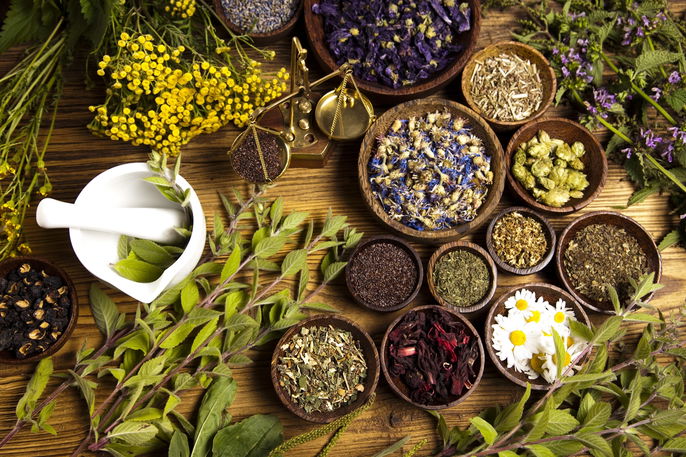
Home remedies
Home remedies that may help relieve symptoms of a yeast infection include:
1. Sitz bath with barbatimão
A commonly used home remedy to support the treatment of genital yeast infection symptoms is a sitz bath with barbatimão (stryphnodendron), a plant described as being rich in flavonoids, terpenes, and tannins with antibacterial, antifungal, and astringent actions. For this sitz bath, only the bark from the tree trunk is used.
Ingredients:
-
20 g of dried barbatimão bark;
-
1 liter of water.
Directions:
Boil the water with the barbatimão bark for 10 to 15 minutes. Cover and let it rest until it becomes warm. Strain and mix with additional water to fill a basin. After cleansing the genital area, sit in the basin and do the sitz bath for 20 minutes once per day.
Precautions for use: Barbatimão sitz baths are not recommended for pregnant or breastfeeding individuals, as their safety has not been sufficiently studied.
2. Yogurt and honey
Yogurt and honey can be used to complement medical treatment for vaginal yeast infections, as they may help relieve itching and redness caused by fungal overgrowth. They can be consumed or applied externally.
3. Gargle with barbatimão
Barbatimão bark, a medicinal plant described as having strong antifungal and antibacterial action, can also be used as a gargle to help manage oral thrush.
Ingredients:
-
1 tablespoon (3 g) of barbatimão bark;
-
5 oz (150 mL) of water.
Directions:
Boil the water with the barbatimão bark for 10 to 15 minutes. Turn off the heat and keep it covered until it cools. Strain and gargle 2 to 3 times per day.
Precautions for use: Due to insufficient research on safety in pregnant or breastfeeding women, barbatimão gargles should not be used in these cases.
4. Coconut oil and tea tree oil ointment
Coconut oil is rich in lauric and caprylic acids and is described as having strong antifungal and antimicrobial action that may help with genital candidiasis. Tea tree essential oil provides potent antibacterial and antifungal properties that may reduce fungal overgrowth.
Ingredients:
-
1 tablespoon of coconut oil;
-
2 drops of tea tree essential oil.
Directions:
Wash hands well. In a bowl, mix the coconut oil and tea tree essential oil with a spoon, then apply to the genitals once per day for up to 5 days.
5. Boric acid
Boric acid can be found in pharmacies as vaginal suppositories and is mainly indicated for treating vaginal fungal infections.
According to the Centers for Disease Control and Prevention (CDC), boric acid 600 mg in a gelatin capsule used vaginally once daily for 3 weeks is an indicated option for certain recurrent/non-albicans vulvovaginal yeast infections, with reported clinical and mycologic eradication rates of about 70%.
6. Sitz bath with chamomile tea
Chamomile tea has antimicrobial, anti-inflammatory, and antifungal actions and may help support treatment and reduce symptoms of genital candidiasis, such as itching and burning.
Ingredients:
-
3 tablespoons of dried chamomile flowers;
-
1 liter of water.
Directions:
Boil the water, turn off the heat, and add the chamomile flowers. Cover and let it steep for 10 minutes. Strain and mix with additional water to fill a basin.
After cleansing the genital area, sit in the basin for 20 minutes once daily. Alternatively, use the solution to rinse the genital area once a day.
7. Propolis
Propolis is a resin rich in antioxidants with bactericidal and antifungal properties that may help strengthen the immune system and fight candidiasis.
Ingredients:
-
20 drops of propolis extract;
-
1 tablespoon of honey.
Directions:
Dilute the propolis extract in the honey and take once per day for 20 to 30 days to help strengthen the immune system and support candidiasis management.
Precautions for use: Propolis extract is not recommended for people who are allergic to bees, propolis, or any components of the product formula. During pregnancy or breastfeeding, propolis should be used only with medical guidance.
8. Sitz bath with apple cider vinegar
Apple cider vinegar contains gallic, lactic, and citric acids, which are compounds with antimicrobial and anti-inflammatory properties, and is described as an option to help support treatment of genital candidiasis.
Ingredients:
-
2 tablespoons of apple cider vinegar;
-
1 liter of warm water.
Directions:
Dilute the vinegar in warm water and transfer the mixture to a basin. After cleansing the genital area, sit in the basin for 20 minutes once per day.
Precautions for use: Apple cider vinegar should always be diluted before contacting the skin, as it is acidic and can cause irritation. This sitz bath should not be used by people who are pregnant.
9. Sitz bath with baking soda
Baking soda is a natural chemical substance with an alkaline pH and can be used in sitz baths to help reduce vaginal acidity. This may make it harder for Candida to grow and spread and can help relieve itching and irritation linked to candidiasis.
Ingredients:
-
6 tablespoons of baking soda;
-
3 liters of warm water.
Directions:
Dissolve the baking soda in warm water and transfer the mixture to a basin. After cleansing the genital area, sit in the basin for 20 minutes twice per day until symptoms improve.
10. Oregano essential oil
Oregano oil has strong antimicrobial and antifungal action and may help support treatment of skin candidiasis by inhibiting Candida albicans growth.
Ingredients:
-
2 drops of oregano essential oil;
-
1 tablespoon of vegetable oil (coconut, olive, or almond).
Directions:
In a bowl, mix the oregano essential oil with the vegetable oil. Apply the mixture to clean skin, gently massaging the area.
Precautions for use: Oregano essential oil is not recommended for people with allergies to thyme, basil, mint, or sage, as they may also be sensitive to oregano oil because the plant family is the same. This oil should also not be used by children or by anyone who is pregnant or breastfeeding.
What to eat
To treat candidiasis, it is important to prioritize prebiotic foods such as whole grains and garlic, and probiotic foods such as yogurt, kombucha, and kefir. These foods help support intestinal flora and may help fight candidiasis.
It is also recommended to eat fresh vegetables and fruits, natural herbs, and seeds with strong anti-inflammatory action, which can help support the immune system.
While being treated for candidiasis, it is also important to avoid sweets such as ice cream, cookies, cakes, and refined grains such as white bread or white pasta. These foods can disrupt intestinal flora balance and may worsen candidiasis symptoms.