


Diuretic foods are natural options that help eliminate excess fluids from the body. They can reduce bloating, swelling, and water retention by supporting healthy urine production.
These foods are rich in water, potassium, or plant compounds that stimulate the kidneys and help remove sodium. Common examples include watermelon, cucumber, celery, parsley, and green tea.
Also recommended: 14 Natural Diuretic Teas for Fluid Retention tuasaude.com/en/natural-diureticsIncorporating diuretic foods into a balanced diet may also help support blood pressure, digestion, and kidney health. Understanding how they work and how to include them safely can make a meaningful difference in daily well-being.
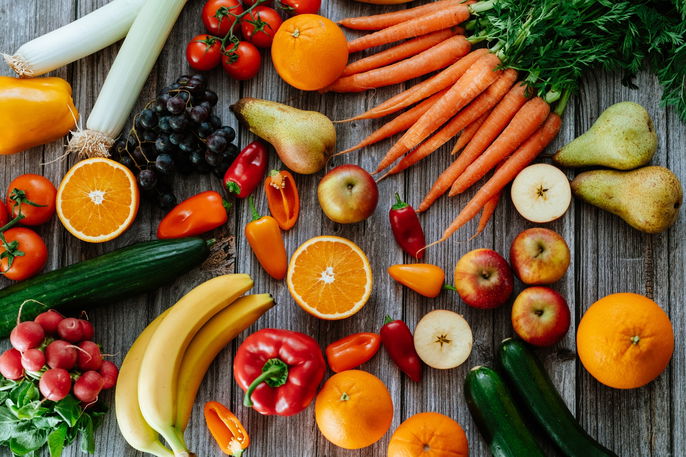
List of naturally diuretic foods
Foods that are diuretic include:
- Caffeinated drinks, such as coffee, green tea and black tea
- Some teas, such as hibiscus, parsley and horsetail tea
- Watermelon
- Melon
- Pineapple
- Lemons
- Coconut water
- Pears
- Beets
- Cucumbers
- Carrots
- Bananas
- Grapes
- Asparagus
- Pumpkin
- Celery
- Berries, such as strawberries, blueberries, blackberries and raspberries;
- Leafy greens, such as kale, arugula and chard.
Diuretic foods also improve intestinal health and help to combat constipation, which can prevent bloating. Consuming foods that are rich in potassium and water also help to prevent and treat diseases, such as urinary tract infections and high blood pressure.
How natural diuretics work: science & physiology
Diuretic foods stimulate the kidneys to increase the excretion of water and sodium through urine. This process is mainly regulated by hormones such as aldosterone and vasopressin, which control fluid balance in the body. When foods rich in water, potassium, or plant compounds like polyphenols are consumed, they may influence these hormonal pathways and promote diuresis.
Some diuretic foods, such as hibiscus and parsley, contain bioactive compounds that act on kidney tubules to reduce sodium reabsorption, thereby increasing urine output. Potassium-rich foods like bananas and coconut water help to balance sodium levels, preventing fluid retention and supporting healthy blood pressure. High-water-content foods, like cucumbers and melons, enhance hydration and help flush out excess fluids more efficiently.
Do diuretic foods help you lose weight?
Diuretic foods can lead to weight loss, as they can eliminate excess fluid from the body. However, these foods do not lead to body fat reduction, so there is no true weight loss, only a decrease in retained fluids.
To reduce water retention, you should incorporate diuretic foods into your diet, and aim to drink at least 2 liters of water per day. You should also reduce your salt intake and decrease your consumption of high-sodium foods.
Check-out other ways to get rid of water retention and reduce swelling and bloating.
How to incorporate diuretic foods in your diet
Diuretic foods can be added to the diet in a variety of simple and nutritious ways. They can be consumed raw, cooked, or blended into juices, soups or salads to help maintain hydration and support kidney function. Rotating different diuretic ingredients throughout the week can improve variety and help provide a range of nutrients.
It is important to pair diuretic foods with a balanced intake of electrolytes, especially when consumed regularly, to avoid imbalances. Including sources of magnesium and calcium, such as seeds, legumes or leafy greens, may further support fluid regulation. People with medical conditions like kidney disease or low blood pressure should speak with a healthcare provider before increasing their intake of natural diuretics.
Diuretic recipes
Check-out some recipes that incorporate diuretic foods to reduce bloating.
1. Pumpkin soup
Pumpkin soup can help reduce fluid retention, as pumpkin is a naturally diuretic.
Ingredients:
- 1 kg of pumpkin in pieces
- 1 medium leek cut into slices
- 2 tablespoons of powdered ginger
- 1 liter of water
- 4 cloves of minced garlic
- 2 tablespoons of olive oil
- black pepper and lemon zest to taste
Directions:
In a pot, sautee the garlic cloves in olive oil until golden brown and then add the water, pumpkin and leek and cook. When it is well-cooked, puree the soup, and add the ginger and a black pepper to taste. Once ready, add lemon zest and serve.
2. Beet salad with cucumber and parsley
Parsley has diuretic properties that can increase urine production and promote fluid elimination.
Ingredients:
- 1 medium beet
- 1 medium cucumber
- 2 lettuce leaves
- 1 teaspoon of fresh parsley
- 1 teaspoon of olive oil
Directions:
Wash the beets, cucumber, lettuce and parsley well and drain. Grate the beets and place in a bowl. Slice the cucumber into rounds and add to the beet. Cut the lettuce into wide strips and chop the parsley, and combine with the other ingredients. Season with olive oil and serve.
3. Carrot puree
Carrots are a great naturally diuretic, as they are rich in water and vitamin A. These can stimulate the kidneys to form urine and promote fluid elimination, which can reduce swelling.
Ingredients:
- 2 medium carrots
- 1 liter of water
- ½ teaspoon of salt
- Basil to taste
Directions:
Place the carrots and water in a pot and cook until soft. Then, drain the water and mash the carrots with a fork or in a food processor, until it becomes a puree. Add salt, a little basil and serve.
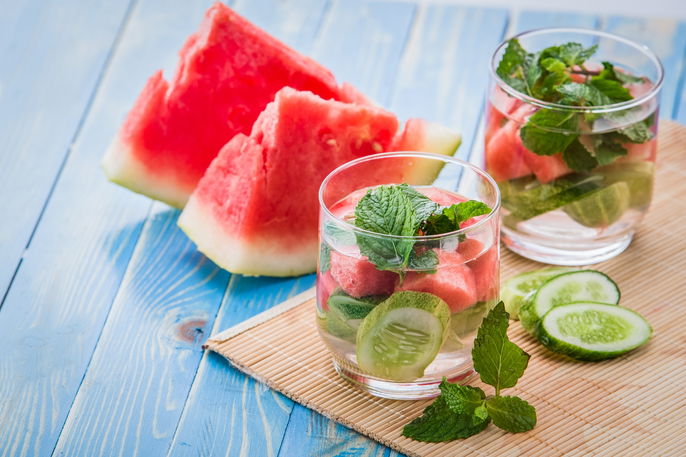
4. Watermelon and cucumber juice
Watermelon and cucumbers are nutrient-dense and contain fiber and vitamins that help to combat swelling. Therefore, combining the two in a juice can be a great option to eliminate excess body fluid.
Ingredients:
- 3 medium slices of watermelon;
- Juice of ½ lemon;
- 1 medium cucumber.
Directions:
Wash, peel and cut the cucumber into small pieces. Then add all the ingredients to a blender and mix until smooth. Serve without straining.
5. Apple juice with melon and ginger
Apples and melons also have a high water content which can also increase urine production. It can be consumed to reduce fluid retention and reduce swelling.
Ingredients:
- 1/2 medium apple
- 1 slice of melon
- 2 cm of ginger
- 1 glass of filtered water
Directions:
Wash the apple and chop it. Chop the melon. Place all the ingredients in a blender and blend well. Transfer to a glass and drink.