


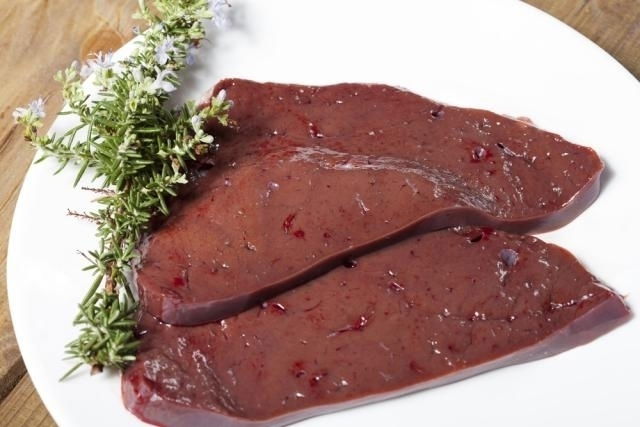
Beef liver is rich in protein, vitamins, and minerals, and offers several health benefits, such as preventing anemia, supporting eye health, and promoting muscle growth.
This food has a strong flavor and can be prepared in many ways, such as stewed, grilled, or fried. It can also be used in recipes like pâtés, farofa, crepes, and stroganoff.
Although beef liver is highly nutritious, it should be consumed in moderation. Eating too much can be harmful, especially for pregnant women and people with high uric acid levels or gout, due to its high content of vitamin A, purines, and heavy metals.
Health benefits
The main health benefits of beef liver are:
1. Provides vitamins and minerals
Beef liver is a nutrient-dense food that supplies a wide variety of essential vitamins and minerals needed for good health, including folate, iron, B vitamins, and vitamin A.
2. Source of high-quality protein
Beef liver is an excellent source of high-quality protein, as it contains all the essential amino acids the body cannot produce on its own.
These amino acids play a vital role in the growth, repair, and maintenance of muscles, organs, and tissues, making beef liver a valuable food for overall health.
Also recommended: 33 High Protein Foods (per 100 g) - Animal & Plant-Based Lists tuasaude.com/en/high-protein-foods3. Helps prevent anemia
Beef liver helps prevent anemia because it is rich in iron, vitamin B12, and vitamin B9. These nutrients are essential for the formation and health of red blood cells and help maintain adequate hemoglobin levels in the blood.
As a result, beef liver can help reduce the risk of anemia and improve blood quality. See other foods for anemia.
4. Supports eye health
Beef liver is beneficial for eye health thanks to its high vitamin A content. This vitamin is essential for preventing vision problems such as night blindness and for maintaining overall eye function.
5. Strengthens the immune system
Beef liver is a great source of protein, vitamin A, and zinc, nutrients that play an important role in strengthening immune cells and helping the body fight viruses, bacteria, and fungi.
6. Supports muscle growth
Because it is rich in protein, which is essential for muscle contraction and development, beef liver helps maintain and build muscle mass when combined with a balanced diet and regular physical activity. Check out other muscle-building foods.
Nutrition facts
The following table provides nutritional information based on of 100 g (3.5 oz) serving of grilled beef liver without fat or salt:
To get the most out of its nutrients, beef liver should be part of a balanced and varied diet, combined with regular exercise.
How to prepare
Beef liver can be stewed, grilled, fried, or used in dishes such as pâté, crepes, or stroganoff. To reduce its metallic or bitter taste, you can soak the liver in milk for 30 to 60 minutes before cooking.
In general, it is recommended to eat organ meats like beef liver about once a week. The portion size may vary depending on a person’s daily protein needs.
Consuming in moderation
Beef liver should be eaten in moderation for several reasons:
-
High cholesterol content: Beef liver contains a significant amount of cholesterol, and excessive intake may raise blood cholesterol levels, especially in people with familial hypercholesterolemia;
-
Rich in purines: Beef liver is high in purines, which increase uric acid levels in the body. Therefore, it should be avoided by people with high uric acid levels or gout;
-
Contains heavy metals: Beef liver may accumulate heavy metals such as cadmium, copper, lead, and mercury. These can affect kidney function, calcium metabolism, and vitamin B12 absorption, potentially causing anemia and high blood pressure.
For example, the recommended daily intake of copper for adults is 900 mcg, but 100 g of beef liver provides about 13,000 mcg, more than 14 times the daily recommended amount.
Contraindications for use
People with high uric acid levels or gout should avoid eating beef liver. This is because it contains large amounts of purines, such as hypoxanthine, which the body converts into uric acid. As a result, it can raise uric acid levels in the blood.
People who are pregnant should only consume beef liver under the guidance of a doctor or registered dietitian. This is due to its high vitamin A content that, when consumed in excess, can cause problems in fetal development, particularly during the first trimester.
Frequently asked questions
Some common questions about beef liver include:
1. Does beef liver contain protein?
Yes, beef liver is a high in protein, with about 29.9 g per 100 g serving. Because of this, it can be an excellent addition to diets focused on building muscle mass.
2. Can pregnant people eat beef liver?
Pregnant people can eat beef liver, but only under the supervision of a doctor or registered dietitian. This food has a high vitamin A content, and too much of it can lead to developmental problems in the fetus, especially during early pregnancy.
3. Does beef liver cause weight gain?
Beef liver does not cause weight gain when eaten in moderation as part of a healthy, well-balanced diet combined with regular physical activity.