


Umami is a taste your tongue detects when you eat foods that contain certain amino acids, such as mushrooms, meats, some cheeses, and tomatoes.
In Japanese, umami means “savory” or “delicious,” and it is considered the fifth basic taste. It can make some foods and drinks taste fuller by balancing sweetness, boosting salty flavor, and softening bitterness and acidity.
Besides occurring naturally in some foods, the food industry may also add monosodium glutamate (MSG) to packaged products to enhance their umami flavor. When added, MSG must be listed among the ingredients.
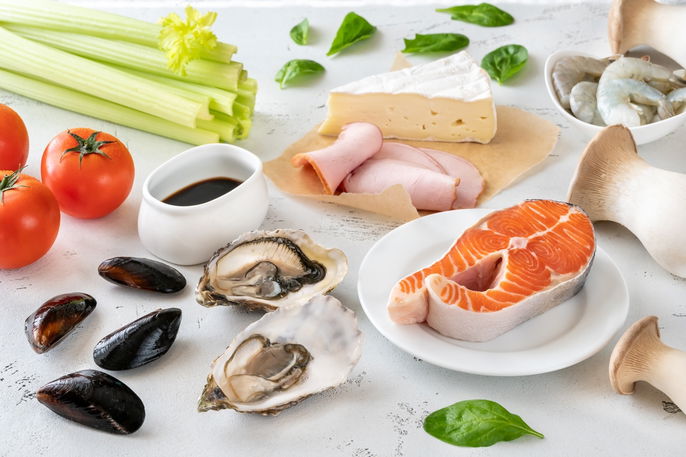
Umami-rich foods
Foods that often have an umami taste include:
-
Protein-rich foods, such as beef, chicken, eggs, and seafood;
-
Some vegetables, such as mushrooms, tomatoes, potatoes, asparagus, seaweed, and soybeans;
-
Fermented foods, such as tofu, tempeh, natto, miso, sauerkraut, kimchi, and soy sauce;
-
Some cheeses, such as Parmesan, cheddar, and Emmental;
-
Cured meats, such as ham, pepperoni, and salami;
-
Processed foods, such as tomato sauce, ketchup, ready-made seasoning cubes or packets, and instant noodles;
Umami-rich foods tend to be high in amino acids and small protein fragments (oligopeptides), mainly featuring a combination of glutamate, inosinate, and guanylate, which are recognized as flavor enhancers in evaluations by the Joint FAO/WHO Expert Committee on Food Additives (JECFA).
How to taste umami
A simple way to recognize umami is by first taking a sip of water and then eating a small piece of Parmesan cheese or a slice of ripe tomato.
After swallowing, you’ll likely notice the cheese’s saltiness or the tomato’s acidity at first. Soon after, you may find yourself producing more saliva, and the savory taste will linger on your tongue longer than expected.
Umami recipes
Some recipes with an umami flavor include:
1. Umami sauce
Ingredients:
-
1 cup prepared vegetable broth;
-
1 teaspoon chopped garlic;
-
1 teaspoon freshly grated ginger;
-
1 tablespoon molasses or honey;
-
½ teaspoon tomato extract;
-
½ teaspoon black pepper;
-
1 ½ teaspoons miso paste;
-
2 tablespoons water;
-
2 teaspoons lemon juice;
-
1 tablespoon rice vinegar.
Directions:
In a saucepan, warm the vegetable broth over medium heat. Add the garlic and ginger, and cook for 3 minutes.
Stir in the molasses or honey, tomato extract, and black pepper, and let it simmer for 1 more minute over low heat. Remove the pan from the heat and set aside. Dissolve the miso in 2 tablespoons of water, then stir it into the pan along with the lemon juice and rice vinegar.
Let the sauce cool, then pour it into an ice cube tray and freeze in individual portions. The umami sauce can be used to season vegetables, pasta, sauces, meats, and soups, for example.
2. Spaghetti Bolognese
Ingredients:
-
1 chopped onion;
-
Parsley, garlic, pepper, and salt to taste;
-
2 tablespoons olive oil;
-
Tomato sauce or tomato paste to taste;
-
2 chopped tomatoes;
-
500 g uncooked spaghetti;
-
500 g ground beef;
-
3 tablespoons grated Parmesan cheese.
Directions:
Cook the spaghetti in boiling water for 8 to 10 minutes. Drain and set aside.
In a pan, sauté the onion and garlic in olive oil until golden. Add the ground beef and cook for a few minutes, seasoning to taste.
Add the tomato sauce and chopped tomatoes, then cook over low heat for about 30 minutes. Add the spaghetti to the sauce and toss well. Serve on a plate, top with Parmesan, and eat while still hot.