


Vitamin-rich foods, including sources of vitamin A, B-complex vitamins, and vitamin D, support vision health and help keep your skin, hair, and nails healthy. They can also help prevent conditions linked to vitamin deficiency, such as anemia and scurvy.
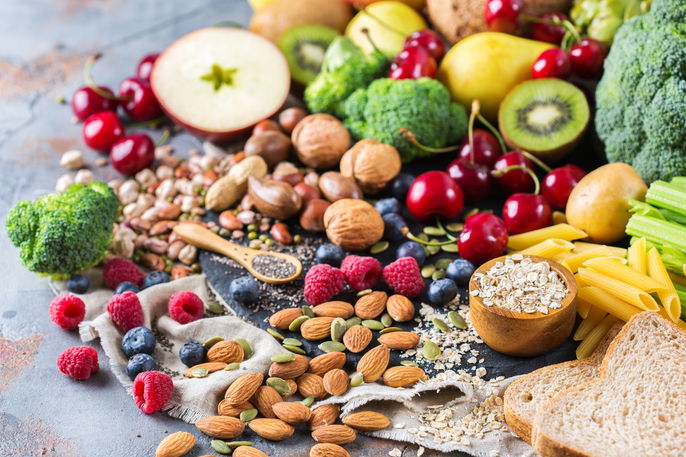
Because the body does not produce most vitamins in adequate amounts, you need to get them from food. Common sources include nuts, fruits, vegetables, dairy products, whole grains, legumes, and eggs.
A balanced, varied diet usually provides enough vitamins for most people. In some situations, such as after surgery, during pregnancy, or with intestinal malabsorption, a doctor or registered dietitian may recommend vitamin supplements.
Food list
The table below lists some vitamin-rich foods:
Fat-soluble vitamins, such as vitamin A, vitamin D, vitamin E, and vitamin K, are stored in the liver, body fat, and muscles for longer periods. They are also absorbed more easily when eaten with foods that contain fat.
Water-soluble vitamins, such as vitamin B complex and vitamin C, dissolve in water and are stored in the body for a shorter time. Because of this, they generally need to be consumed daily.
Food groups
Foods rich in vitamins and minerals include fruits, vegetables, whole grains, legumes, milk and dairy products, and lean meats.
Minerals such as magnesium, phosphorus, zinc, and iron are important for health because they help with hormone production, the formation of teeth and bones, and blood pressure regulation.
Types of vitamins
The main types of vitamins are:
1. Vitamin A
Foods rich in vitamin A help maintain vision health, support the immune system, help prevent premature aging, and help reduce the risk of cardiovascular disease.
2. B-complex vitamins
B-complex vitamins, such as vitamin B9, vitamin B1, and vitamin B12, help regulate the body’s energy production. They also support immune function and help maintain the health of the nervous system, skin, and intestines.
3. Vitamin D
Foods high in vitamin D help prevent osteoporosis, support the immune system, help prevent diabetes, and support heart health.
4. Vitamin C
Vitamin C is an antioxidant nutrient that supports immune function and helps the body absorb iron from foods.
According to the National Institutes of Health (NIH) Office of Dietary Supplements, vitamin C improves the absorption of iron from plant-based foods. It can also help prevent anemia and support skin health.
5. Vitamin E
Vitamin E is important for normal body function because it has antioxidant and anti-inflammatory effects. It supports the immune system, helps maintain healthy skin and hair, and helps prevent cardiovascular disease.
6. Vitamin K
Vitamin K supports several functions in the body, including blood clotting, which helps prevent bleeding.
According to the National Institutes of Health (NIH) Office of Dietary Supplements, vitamin K is important for blood clotting. It also helps promote calcium binding in the bones, strengthening them and helping prevent osteoporosis.
When to take supplements
Vitamin supplements are typically recommended to correct nutrient deficiencies or meet higher nutrient demands. This includes situations like pregnancy or breastfeeding, aging in older adults, inflammatory bowel disease, restrictive diets, or recovery after surgery.
However, vitamin supplements should only be taken with guidance from a doctor or registered dietitian.
Do vitamins cause weight gain?
Vitamins do not contain calories, so they do not directly cause weight gain.
However, because vitamins, especially B-complex vitamins, help support normal body function and appetite regulation, supplements may increase hunger in some people, which can contribute to weight gain.