


Prickly pears can offer several health benefits like regulating blood sugar, lowering cholesterol, and promoting weight loss. This plant is rich in polyphenols, polysaccharides, flavonoids, vitamins, and fiber, which give it its natural antioxidant, anti-inflammatory, and hypoglycemic properties.
Prickly pear, scientifically referred to as Opuntia ficus-indica, is a plant that belongs to the cactus family. It typically grows in very dry regions and is commonly used in recipes in some areas of Latin America.
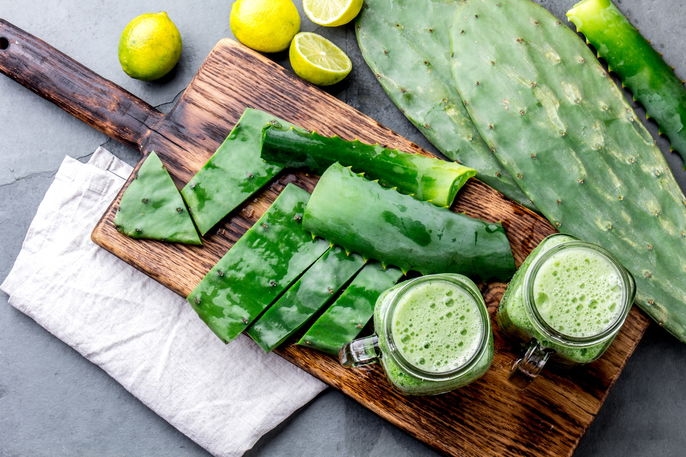
The edible parts of the prickly pear are the leaves, seeds, flowers, and fruit, which can be used in recipes for juices, salads, pancakes, teas, and jellies. These parts of the plant can also be used in beauty and cosmetic products.
Health benefits
Prickly pear has several health benefits, such as:
1. Managing diabetes
Consuming 500 g of prickly pear per day can help to manage diabetes, as it is rich in soluble fibers (like pectin), and nutrients that help reduce blood glucose and insulin levels. Check-out a list of other high-fiber foods you can incorporate into your diet.
2. Lowering cholesterol
Prickly pear can activate receptors for LDL cholesterol directly in the liver, which can play a role in reducing blood cholesterol levels.
This plant also contains polyunsaturated fats, such as linoleic, oleic and palmitic acid. These can help to lower LDL cholesterol and increase HDL cholesterol, which can play a role in preventing the onset of cardiovascular diseases.
3. Preventing cancer
Prickly pears contain flavonoids, vitamin C and vitamin E, which are antioxidant compounds that protect healthy cells from free radicals and reduce the risk for developing cancer.
4. Promoting neurological health
This plant contains flavonoids like nicotiflorine which has a protective and anti-inflammatory effect on brain cells. This substance can boost memory and help to prevent dementia.
5. Promoting weight loss
Prickly pear is high in fibers that help to slow down the speed of food digestion. It can help to keep you full and reduce appetite and overeating throughout the day.
This cactus is also low in calories and is therefore a great option to include in a weight loss diet.
6. Improving digestion
The fibers found in prickly pear, such as pectin and mucilage, can help to improve digestion and promote the flow of stool through the gut. It can help to reduce symptoms associated with constipation and diarrhea.
This cactus also forms a protective gel in the stomach and can help to prevent gastritis and stomach ulcers.
7. Regulating blood pressure
Prickly pears are high in potassium, a mineral that promotes sodium excretion through the urine which helps to regulate blood pressure.
This plant is also rich in antioxidant compounds, which promote arterial health, improve circulatoin and prevent high blood pressure.
Nutritional information
The following table outlines the nutrients found in 100 g of raw prickly pear:
To obtain the health benefits that prickly pears have to offer, this plant should be incorporated into a healthy diet and an active lifestyle.
How to eat
Health benefits associated with prickly pear can be achieved by consuming 200g to 500 g of this plant per day. It can be used in recipes for juices, stews, salads and pancakes. Prickly pear can also be purchased in the form of a powdered supplement, which can be added to juices, soups, salads, yogurts and smoothies.
Another way to consume this cactus is through capsule supplements. However, more studies are still needed to prove the recommended safe dosage, its effectiveness and possible side effects.
Healthy recipes

Prickly pear can be used in recipes juices, salads, jams and pancakes. This plant has small thorns, which must first be removed with a knife before adding to a dish.
Some healthy recipes that can be prepared with prickly pear include:
1. Prickly pear pancakes
Ingredients:
- 1 prickly pear leaf
- 1 cup of oatmeal or almond flour
- 2 cups of cornmeal
- 1 cup of washed and chopped spinach leaves
- Salt to taste
- 2 cups of water
Directions:
Wash the prickly pear leaf and remove the thorns. Cut the prickly pear into cubes and place in a blender along with the spinach and water. Blend until smooth.
In another container, mix the cornmeal, salt and flour. Gradually add the prickly pear juice, mixing until it reaches a dough-like consistency. Make small balls with your hands and knead to form pancakes. Place the dough on a heated frying pan to cook, letting each side cook for 3 minutes. These can be topped with white cheese, vegetables, tuna or shredded chicken.
2. Green juice
Ingredients:
- 1 prickly pear leaf, chopped
- 1 pineapple slice
- 2 parsley leaves
- 1/2 cucumber
- 2 peeled and chopped oranges
Directions:
Wash the prickly pear leaf and remove the thorns. Place all the ingredients in a blender or food processor. Blend thoroughly until smooth and drink.
3. Prickly pear salad
Ingredients:
- 2 prickly pear leaves
- 1 onion
- 2 garlic cloves
- 1 medium tomato
- 2 sprigs of cilantro
- 1 avocado, diced
- Salt and pepper to taste
- Cubed fresh cheese
- 1 tablespoon of olive oil
Directions:
Wash the prickly pear leaves and remove the thorns with a knife. Cut the prickly pear leaves into cubes and place them in a pot with water, along with the garlic cloves and a pinch of salt. Boil for approximately 20 minutes. Then, place the prickly pear leaves in a glass container until they are warm.
Chop the onion, tomato, cheese and avocado into cubes. Mix these ingredients with the prickly pear in the bowl and season with olive oil, salt and pepper.
Possible side effects
Prickly pear supplements can cause side effects like headache, gas, nausea or diarrhea.
Contraindications
Pregnant or breastfeeding women should not take prickly pear supplements, as the safety of these supplements in these populations has not been totally proven. People who take diabetes medication should speak to their doctor before starting prickly pear supplements.