


- Postpartum belly fat usually decreases gradually as part of overall postpartum weight loss.
- Breastfeeding, balanced nutrition, hydration, and regular physical activity can support healthy weight management after delivery.
- Exercise can help strengthen the abdominal muscles, but timing depends on the type of delivery and individual recovery.
Postpartum belly fat may gradually decrease as part of overall postpartum weight loss. Breastfeeding on demand, staying well hydrated, choosing lower-calorie cooking methods such as steaming, and doing gentle exercise once you feel comfortable can support healthy weight management as your body recovers.
These tips should be combined with a balanced diet to support breast milk production and provide the calories and nutrients you and your baby need, especially if you are breastfeeding. Your diet should not be overly restrictive.
These habits may support gradual weight loss of about 0.7 to 1.1 pounds (300 to 500 g) per week. Once cleared by your OB-GYN, exercise can also help strengthen the abdominal muscles, improve posture, and increase calorie burn.
Tips to reduce postpartum belly fat
Some simple tips that can help reduce postpartum belly fat include:
1. Breastfeeding
Breastfeeding on demand whenever your baby wants to nurse supports milk production. According to the Dietary Guidelines for Americans, calorie needs remain higher during lactation because producing breast milk requires additional energy. This may help support gradual postpartum weight loss.
2. Staying hydrated
Drinking 2 to 3 liters of water per day can help you stay hydrated and support breast milk production. Drinking enough water may also help reduce bloating and control appetite.
3. Steaming your food
Steaming foods can help with postpartum weight loss because it does not require adding olive oil, butter, or other oils during cooking, which can reduce the number of calories in a meal.
Steaming also helps preserve the fiber in foods, which can help you feel full for longer.
4. Drinking herbal teas (with caution)
Some herbal teas, such as fennel or fenugreek tea, may be suitable during breastfeeding. However, it is best to use them with guidance from an OB-GYN or other healthcare professional, since safety can vary based on the amount consumed and individual health history.
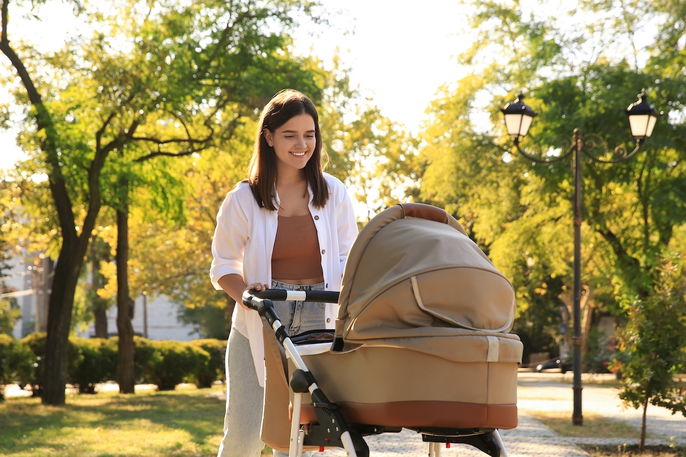
5. Going for walks with your baby
Going for a walk with your baby in a stroller or baby carrier for at least 30 minutes a day can improve circulation, burn calories, and help relieve stress, contributing to overall well-being.
6. Exercising at home with your baby
Exercising at home with your baby can help tone your muscles, burn calories, and improve muscle strength. It can also be a good way to bond with your baby.
7. Eating high-fiber foods
High-fiber foods, such as fruits, vegetables, legumes, and whole grains, can be eaten in small portions throughout the day.
In addition to providing vitamins and minerals, these foods contain fiber that can help you feel fuller between meals. This may help reduce calorie intake and support gradual weight loss and a reduction in postpartum belly fat.
8. Increasing your protein intake
Eating more lean protein, such as chicken, turkey, fish, eggs, and tofu, can help support muscle mass.
Protein also takes more energy to digest and can help you feel fuller for longer, which may support healthy weight management and reduce excess body fat.
9. Choosing low-fat dairy products
Choosing low-fat dairy products, such as low-fat or fat-free milk and yogurt, part-skim ricotta, and other lower-fat cheeses, instead of higher-fat cheeses can help reduce calorie intake.
These foods can also provide important nutrients for both mother and baby.
10. Limiting foods high in added sugar
Limiting foods high in added sugar and refined flour, such as cakes, cookies, candy, and other sweets, can help reduce postpartum belly fat because these foods can contribute to excess calorie intake and increased body fat.
11. Limiting ultra-processed foods
Limiting ultra-processed foods, such as ice cream, processed meats, concentrated soup bases, fast food, and fried foods, can also help with postpartum weight management.
These foods are often high in sodium, fat, and calories, which can contribute to weight gain and make it harder to reduce excess body fat.
Exercises to lose postpartum belly fat
Exercise can support overall postpartum weight loss and help strengthen the abdominal muscles. According to the American College of Obstetricians and Gynecologists (ACOG), postpartum care should include guidance on resuming physical activity and achieving a healthy weight.
After an uncomplicated vaginal delivery, exercise can generally be resumed gradually within a few days after giving birth or as soon as you feel ready. If you had a C-section or experienced medical or delivery complications, ask your OB-GYN when it is safe to begin exercising again.
Also recommended: Postpartum Workout: Exercises & Free Plans (from 0 to 3 Months PP) tuasaude.com/en/postpartum-workout