


Pomegranate juice is a nutrient-rich drink known for supporting heart health, managing cholesterol levels, and helping prevent high blood pressure. Its antioxidants also protect cells from damage, which may reduce the risk of premature aging.
This fruit juice naturally contains potassium, vitamin C, ellagitannins, anthocyanins, and tannins, which give it strong antioxidant and anti-inflammatory properties. These compounds also support immune function and may help lower the risk of certain diseases.
Pomegranate juice can be part of a healthy lifestyle, contributing to weight-loss efforts and supporting overall well-being when combined with regular physical activity. It can be prepared at home, added to daily meals, and used in simple recipes that maintain its nutritional benefits.
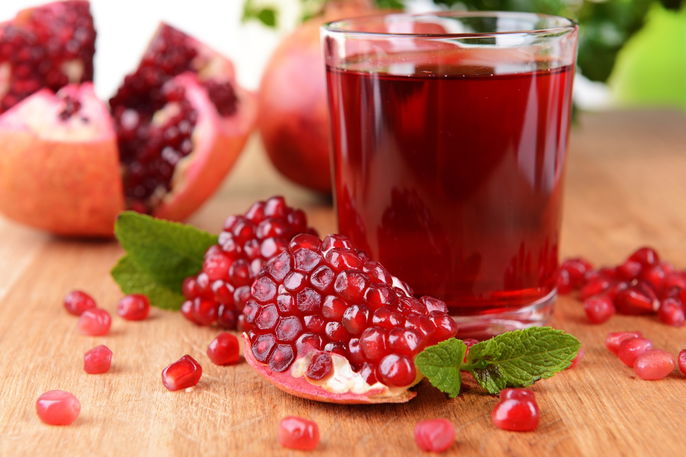
Pomegranate juice benefits
The main health benefits of pomegranate juice are:
1. Preventing high blood pressure
Because it is rich in antioxidants like quercetin and ellagic acid, pomegranate juice helps relax blood vessels, improving circulation and helping to prevent high blood pressure.
In addition, pomegranate juice contains potassium, a mineral that helps the body eliminate excess sodium through the urine, which supports healthy blood pressure levels.
2. Managing cholesterol
The antioxidants in pomegranate juice reduce inflammation and protect fat cells from oxidation caused by free radicals. This helps lower LDL (“bad”) cholesterol levels in the blood.
As a result, drinking pomegranate juice regularly may help lower the risk of cardiovascular disease, including heart attack, atherosclerosis, and angina.
3. Strengthening the immune system
Pomegranate juice is rich in vitamin C and antioxidants like anthocyanins, ellagitannins, punicalagins, and tannins. These compounds help inhibit the growth of harmful bacteria and promote the growth of good bacteria in the gut, helping to balance the intestinal flora and strengthen the immune system.
4. Helping to reduce the risk of cancer
Flavonoids found in pomegranate juice have antioxidant and anti-inflammatory effects that help prevent cell damage and may inhibit the growth of cancer cells.
For this reason, drinking pomegranate juice may help lower the risk of developing certain types of cancer, such as prostate, skin, and breast cancer.
5. Preventing premature aging
Ellagitannins, anthocyanins, and catechins in pomegranate juice are antioxidants that protect the skin from damage caused by free radicals, helping to prevent premature aging.
Because of this, pomegranate juice can help delay the appearance of sagging, wrinkles, and fine lines.
6. Preventing Alzheimer’s disease
Pomegranate juice contains polyphenols with antioxidant and anti-inflammatory properties that help protect neurons and support memory function. This may help reduce the risk of Alzheimer’s disease.
However, more research in humans is needed to confirm the potential benefits of pomegranate juice for Alzheimer’s prevention.
7. Supporting weight loss
Because it is low in calories, pomegranate juice can help reduce overall calorie intake, making it a healthy option to include in weight-loss diets.
However, no single food or drink leads to weight loss on its own. To achieve results, pomegranate juice should be added as part of a balanced diet along with regular physical activity.
Pomegranate and grape juice benefits
Pomegranate and grape juice can help:
-
Boost energy, as it’s rich in carbohydrates that increase energy and improve physical endurance;
-
Reduce cancer risk, as it contains bioactive antioxidant compounds such as resveratrol and flavonoids;
-
Relieve constipation, especially when made with grape skins, which contain fiber that supports regular bowel movements;
-
Protect eye health, as it contains carotenoids that protect the eyes from UV rays and blue light from electronic devices, helping prevent cataracts and macular degeneration.
Grape juice contains fiber, polyphenols, potassium, and vitamin C, offering additional benefits to pomegranate juice alone.
Nutrition facts
The following table provides nutritional information based on a 100 mL serving of unsweetened, natural pomegranate juice:
To get the most benefits from drinking pomegranate juice, it’s essential to maintain a healthy diet and regular exercise routine.
How to make
To make pomegranate juice, remove the seeds from the pomegranate, place them in a blender with water, and blend until smooth. Pour into a glass and drink immediately, without adding sugar.
Pomegranate juice can be enjoyed daily and served with any meal.
Contraindications to use
Pomegranate juice should be avoided by people with gastritis, as it may irritate the stomach.
People with kidney problems should consume it in moderation and only under the supervision of a doctor or registered dietitian. This is because pomegranate juice contains significant amounts of potassium.
In addition, people taking prescription medications should talk to their doctor before drinking pomegranate juice, as it can interact with certain drugs and alter their effects.
Healthy recipes
Some healthy, easy recipes for pomegranate juice include:
1. Pomegranate and grape juice
Ingredients:
-
1 cup fresh grapes;
-
½ cup pomegranate seeds;
-
1 cup water.
Directions:
Wash the grapes thoroughly and place all ingredients in a blender. Blend for 1 to 2 minutes, or until smooth. Pour into a glass and drink immediately without adding sugar. If possible, avoid straining the juice to retain more fiber.
2. Pomegranate and mint juice
Ingredients:
-
½ cup pomegranate seeds;
-
2 Tbsp fresh mint leaves;
-
2 cups water;
-
Ice cubes as desired.
Directions:
Wash the mint leaves well and place all ingredients in a blender. Blend for about 1 minute, then pour into a glass and drink right away, preferably without adding sugar.