


Pine nuts are seeds that offer many health benefits, such as lowering cholesterol levels, preventing diabetes, promoting weight loss, slowing aging, and improving cognitive health.
These benefits are due to their high content of phytosterols, fiber, essential fatty acids, and antioxidants, as well as good amounts of protein and minerals like potassium, magnesium, and phosphorus.
Although often referred to as a nut, the pine nut is actually the seed from different types of pine cones, the flower of the pine tree. Pine nuts can be eaten boiled or roasted, or added to yogurt, fruits, stuffing, and salads.
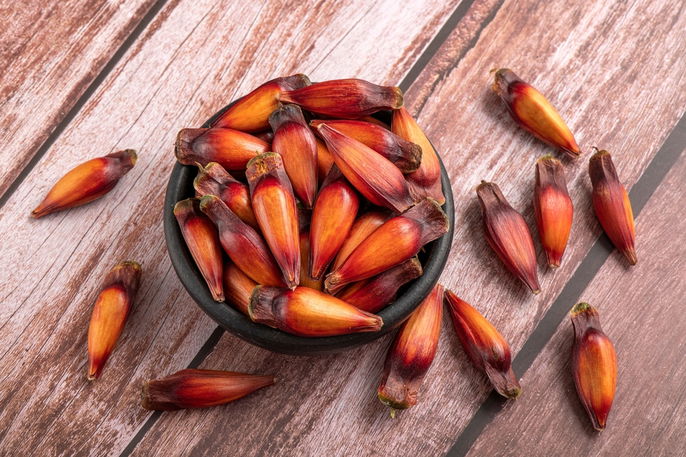
Health benefits
Some benefits of pine nuts include:
1. Help prevent cardiovascular disease
Pine nuts are rich in antioxidants, phytosterols, and monounsaturated fats, nutrients that help control LDL or “bad” cholesterol levels in the blood, which prevents cardiovascular diseases like heart attack, atherosclerosis, and stroke.
Additionally, pine nuts are rich in potassium, a mineral that helps relax the arteries and eliminate excess sodium through urine, improving blood circulation and preventing high blood pressure.
Also recommended: Foods That Are High in Potassium: Complete Food List & Daily Amount tuasaude.com/en/foods-high-in-potassium2. Help prevent diabetes
Pine nuts are rich in fiber, which slows the absorption of sugar from food, helping control blood glucose levels after meals and preventing insulin resistance and diabetes.
They also contain manganese, a mineral that supports carbohydrate metabolism and has antioxidant effects, improving the function of insulin, the hormone responsible for balancing blood sugar levels.
3. Support weight loss
Pine nuts contain phytosterols such as campesterol and stigmasterol, bioactive compounds that can help with weight loss by reducing fat absorption from food and boosting energy expenditure.
Because they are high in fiber, pine nuts also increase the feeling of fullness, helping to reduce overall food intake during the day and supporting weight loss.
4. Slow aging
Thanks to their vitamin E and antioxidant content, pine nuts help fight free radicals that damage cells, improving skin health, preventing wrinkles, and slowing aging.
Check-out other foods that contain vitamin E to add to your daily diet.
5. Improve cognitive function
Pine nuts contain omega-3 fatty acids and antioxidants that help form and repair brain cells, reduce oxidative stress and cellular inflammation, and improve cognitive function, memory, and reasoning. These effects can help prevent neurodegenerative diseases like dementia and Alzheimer’s disease.
6. Reduce cancer risk
Pine nuts are a good source of vitamin E and antioxidants, which help neutralize excess free radicals, protecting healthy cells from damage and preventing the formation of cancer cells.
7. Boost immunity
Pine nuts contain manganese and zinc, minerals that play an important role in the formation and strengthening of immune cells, helping to protect the body from infections and supporting wound healing.
Also recommended: 30 Foods High in Zinc (& Recommended Daily Intake) tuasaude.com/en/foods-high-in-zinc8. Help prevent anemia
Because they are rich in iron, pine nuts help prevent anemia. Iron is an essential mineral for producing hemoglobin, the component of red blood cells that is typically low in anemia.
Pine nuts also contain copper, a mineral necessary for proper iron absorption and function in the body, which further supports anemia prevention.
9. Relieve constipation
Pine nuts are high in fiber, which adds bulk to the stool and stimulates natural intestinal movement, easing bowel movements and relieving constipation.
Do pine nuts cause weight gain?
Pine nuts are rich in fiber, which slows down digestion and helps you feel full longer, supporting weight loss.
However, because they are also high in carbohydrates and calories, eating large amounts of pine nuts may contribute to weight gain.
Nutrition facts
The table below shows the nutritional information for 100 g of boiled pine nuts:
To fully enjoy the health benefits of pine nuts, it is important to maintain a healthy, balanced diet and exercise regularly.
How to eat pine nuts
Pine nuts can be boiled or roasted and eaten whole or ground. They can be consumed on their own or added to yogurt, salads, stuffing, fruit salads, pasta dishes, or meats.
They can also be ground into flour and used to make cakes, bread, and cookies.
Because pine nuts are calorie-dense, they should be eaten in moderation. The recommended amount is 15 pieces, or about 75 g, per day.
Healthy recipes
1. Simple boiled pine nuts
Ingredients:
-
1 kg of pine nuts
-
1 liter of water
-
1 tablespoon of salt
Directions:
Wash well, cut off the tips of the pine nuts, and place them in a pressure cooker. Add the water and salt, and cook over medium heat. Once the pot reaches pressure, cook for 30 minutes. Turn off the heat, drain the water, peel the pine nuts, and serve.
2. Pine nut stuffing
Ingredients:
-
1 small chopped onion
-
1 chopped garlic clove
-
3 tablespoons olive oil
-
200 g of cooked and chopped pine nuts
-
1 teaspoon salt
-
Black pepper to taste
-
1 ½ cups toasted cassava flour
Directions:
Place the onion, garlic, and olive oil in a skillet and cook over medium heat until softened. Lower the heat and add the chopped pine nuts, salt, pepper, and cassava flour. Stir well with a spoon or spatula for 3 minutes. Turn off the heat and serve.
3. Pine nut cake
Ingredients:
-
1 tablespoon butter
-
2 cups cooked and ground pine nuts
-
3 eggs
-
¾ cup brown sugar
-
1 cup milk or plant-based drink
-
1 cup all-purpose flour
-
1 teaspoon baking powder
Directions:
Preheat the oven to 350 ºF (180 ºC). Place all the ingredients in a blender and blend until smooth. Pour the batter into a greased baking dish. Bake for 30 minutes or until golden brown.