


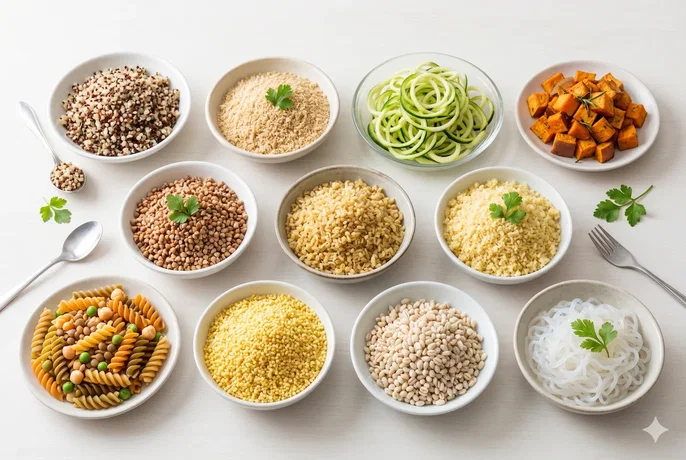
Pasta alternatives, such as quinoa, amaranth, buckwheat and other grains or vegetables, can be used to replace rice and traditional pasta in meals. These foods are rich in complex carbohydrates, protein, fiber, minerals, vitamins and antioxidants.
When included in a balanced diet, these foods may help support blood sugar control and cardiovascular health. They may also help with weight management, as fiber can increase fullness and reduce appetite between meals.
These pasta alternatives can be added to many recipes, such as soups, salads, juices and smoothies, especially as flour or flakes. They can also be used as a base for recipes such as burgers, pasta, breads and pancakes.
1. Quinoa
Quinoa is a good pasta alternative and can also be used to replace rice. It is rich in protein, fiber, minerals and B vitamins.
This food also contains antioxidants and healthy fats, which can contribute to a balanced diet and support cardiovascular, digestive and metabolic health.
In addition, quinoa is naturally gluten-free, making it a good option for people with celiac disease or gluten intolerance. However, the product should be certified gluten-free to help prevent cross-contamination.
How to consume: Quinoa grains can be prepared in a similar way to rice, using 2 cups of water for every 1 cup of quinoa. Before cooking, it is recommended to rinse quinoa well under running water to remove its natural bitterness.
In addition to whole grains, quinoa can also be found as flakes or flour. These forms can be added to salads, soups, juices, smoothies, breads, pancakes or cakes.
2. Amaranth
Another pasta alternative that can also replace pasta is amaranth. This pseudocereal contains good amounts of protein, fiber, iron, magnesium and potassium.
Due to its nutrients and antioxidants, amaranth may help protect cells from damage caused by free radicals. It can also contribute to heart, bone and muscle health.
In addition, amaranth can help support digestive health, increase fullness and help control cholesterol when included in a healthy diet.
How to consume: Amaranth grains can be cooked in the same way as rice and added to meat dishes, soups, stews or salads. They can also be eaten raw with fruit, milk or yogurt.
To make amaranth flour, simply blend the grains in a blender. This flour can be added to smoothies, oatmeal, cakes, breads and other recipes.
3. Zucchini spaghetti
Zucchini spaghetti is a healthy, low-calorie pasta alternative that can also be used in place of rice. It is also gluten-free, making it a good option for people with gluten intolerance or celiac disease, as well as for those looking to reduce their carbohydrate intake.
Zucchini has a high water content and contains nutrients such as vitamin A, carotenoids, vitamin C, potassium and fiber. These nutrients can help promote fullness and healthy digestion.
How to consume: Wash the zucchini well and cut it into thin strips using a spiralizer, grater or vegetable peeler. Then, sauté the zucchini in a skillet with a little olive oil for 2 to 3 minutes, until slightly tender.
Serve with natural tomato sauce, sautéed vegetables, chicken, meat, fish or cheese, according to preference.
4. Sweet potato
Sweet potato is a good alternative for replacing rice and pasta. It is a good source of complex carbohydrates, fiber, vitamin A, carotenoids, vitamin C, potassium, calcium, phosphorus and magnesium.
Due to its antioxidant content, sweet potato may help protect cells and support eye, digestive and immune system health.
When eaten cooked and in moderate portions, sweet potato can be a healthy option within a balanced diet. This can include people with diabetes, as long as intake is monitored by a registered dietitian.
How to consume: Sweet potato can be boiled, mashed, baked or grilled. It can also be combined with meat, chicken, fish, eggs or vegetables.
Although sweet potato can also be fried, this preparation should be reserved for occasional consumption, as it increases the fat and calorie content of the meal.
5. Buckwheat
Buckwheat is a pseudocereal rich in protein, fiber, antioxidants and minerals such as magnesium, iron and phosphorus. It is a good pasta alternative and can also be used to replace rice.
Despite its name, buckwheat is not part of the wheat family and is naturally gluten-free.
Due to its fiber content, buckwheat can help support digestive health, increase fullness and help control blood sugar. This makes it a good option for balanced diets and weight management.
How to consume: This grain can be prepared in the same way as rice. To do this, use 1 cup of buckwheat for every 2 cups of water and cook for about 15 to 20 minutes, or until tender.
Buckwheat flour can be used to prepare cakes, pies, breads and pancakes, for example. Pasta made with buckwheat can also be purchased.
6. Bulgur
Another good pasta alternative that can also replace pasta is bulgur. Bulgur is a whole wheat grain rich in complex carbohydrates, fiber, protein, B vitamins, minerals and antioxidants.
This cereal can contribute to digestive health, promote fullness and provide energy.
However, bulgur contains gluten and should not be consumed by people with celiac disease, wheat allergy or non-celiac gluten sensitivity.
How to consume: To prepare bulgur, add 1 cup of bulgur to 2 cups of hot water and cook until the grain is tender.
Bulgur can be added to salads, served as a side dish with meat, sautéed with vegetables or used to prepare vegetarian burgers, for example.
This cereal can also be soaked in hot water, depending on the type of bulgur and the manufacturer’s instructions.
Bulgur can be used in salads, stews, side dishes for meat, vegetable stir-fries or vegetarian burger recipes.
7. Couscous
Couscous is a dish made with cornmeal and contains good amounts of carbohydrates, fiber and protein. It is a great pasta alternative that can also be used to replace rice.
Couscous provides energy for the body to function properly. It may also help prevent constipation and promote fullness.
Cornmeal couscous does not contain gluten, making it suitable for people with celiac disease, wheat allergy or gluten sensitivity.
How to consume: To prepare couscous, place 2 cups of cornmeal and a pinch of salt in a bowl. Gradually add 1 cup of filtered water, mixing well with a spoon to moisten the cornmeal, then let it hydrate for 10 minutes.
Next, fill the bottom of a couscous steamer with water and place the hydrated cornmeal in the basket, without pressing it down. Place over high heat and, once it starts to boil, lower the heat and cook for 10 minutes, until the couscous is very soft.
Turn off the heat, transfer the couscous to a bowl and serve with butter. Couscous can also be used in recipes such as salads and Brazilian couscous, for example.
8. Legume pasta
Pasta made with legumes, such as lentils, chickpeas, peas or beans, is a great pasta alternative and can also be used to replace rice.
This type of pasta generally contains more protein and fiber than traditional pasta. This helps increase fullness and control appetite.
How to consume: Prepare legume pasta in a similar way to traditional pasta, following the manufacturer’s instructions. It can be served with natural tomato sauce, vegetables, chicken, tuna and olive oil, for example.
9. Millet
Millet is a naturally gluten-free grain that is rich in complex carbohydrates, fiber, magnesium, phosphorus and antioxidants. This cereal can be used as an alternative to replace rice and pasta while adding variety to the diet.
How to consume: Millet can be used as sprouted grains or flour. It can be used to prepare salads, breads, cakes, oatmeal-style porridges, desserts and muffins.
10. Barley
Barley is a cereal rich in fiber, especially beta-glucans. These fibers may contribute to fullness and cholesterol control when barley is consumed as part of a balanced diet.
This cereal is an alternative for replacing rice and pasta in soups, salads and stews.
How to consume: Barley can be cooked in water until tender and used as a base for salads, side dishes or vegetable preparations.
However, barley contains gluten and should not be consumed by people with celiac disease or gluten sensitivity.
11. Konjac noodles
Konjac noodles, also called shirataki noodles, are a very low-calorie and low-carbohydrate alternative for replacing rice and pasta.
These noodles are made from konjac root and are rich in glucomannan, a type of soluble fiber that may increase fullness.
How to consume: This pasta is usually sold ready to rinse and heat. It can be used with sauces, sautéed vegetables, meat or chicken.
Because it is a low-calorie food, it is recommended to combine it with foods rich in protein and healthy fats to make the meal more complete and nutritious.
