


Natural expectorants, such as onion and garlic syrup, carrot syrup, or ginger and cinnamon syrup, contain compounds that can help thin mucus, making it easier to clear and helping ease a cough.
A cough is your body’s way of clearing irritants and secretions from your throat or lungs. It’s a common symptom with the flu, colds, sinusitis, bronchitis, and respiratory allergies.
Natural expectorants may help loosen mucus and soothe a cough. Still, they do not replace medical evaluation or treatment recommended by a healthcare provider.
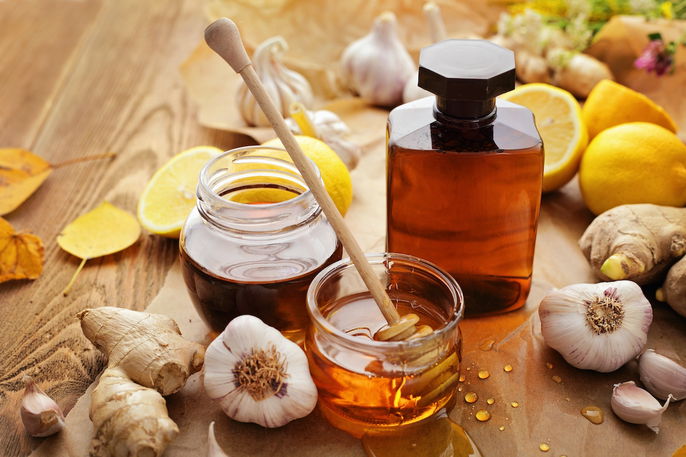
Home remedies
Some natural expectorant options include:
1. Onion and garlic syrup
Onion and garlic syrup may help loosen mucus because it contains sulfur compounds and allicin, which have expectorant and antiseptic effects. It can be a helpful natural expectorant for a productive cough related to the flu, colds, or bronchitis.
This syrup may also support the immune system, reduce airway inflammation, and soothe a dry, irritated throat.
Ingredients:
-
1 medium onion, grated;
-
1 garlic clove, crushed;
-
Honey.
Directions:
Place the onion and garlic in a glass container and add enough honey to fully cover them. Stir and refrigerate overnight.
For children over 1 year old, give 2.5 mL of syrup (about ½ teaspoon) up to 3 times a day. Adults can take 5 mL (1 teaspoon) up to 3 times a day. Discard any unused syrup after 1 week.
Do not give honey to children under 12 months, as the CDC warns it can cause infant botulism.
Onion and garlic syrup made with honey is unsafe for infants under 1 year old, and pregnant people with gestational diabetes or those with diabetes should also avoid it.
2. Thyme syrup
Thyme syrup is a natural expectorant option that may help with inflammation in the throat and lungs and with symptoms related to bronchitis, the flu, or the common cold.
This is because thyme contains anti-inflammatory and antioxidant compounds, such as thymol, carvacrol, cymene, and linalool, which can help loosen mucus and ease a cough.
Ingredients:
-
1 sprig of thyme (fresh or dried);
-
3 cups of water;
-
½ cup of honey.
Directions:
Add the thyme and water to a pot and simmer over low heat until the liquid reduces by about one-third. Turn off the heat and let it cool for about 3 minutes. Remove the thyme sprig and stir in the honey.
Take 1 teaspoon as needed and store in a clean, dry glass container in the refrigerator for up to 2 months.
Thyme syrup should not be used by people with stomach problems such as gastritis or ulcers, by those with liver disease, or by people taking anticoagulant medications such as warfarin or clopidogrel.
Because it contains honey, this syrup should not be used by people who are allergic to honey, propolis, or pollen. In this case, honey can be replaced with 85 g of sugar (about ½ cup).
3. Ginger and cinnamon syrup
Ginger syrup contains compounds such as cinnamaldehyde and gingerol, which have anti-inflammatory, pain-relieving, and expectorant effects. This may help relieve a productive cough.
Ingredients:
-
1 cinnamon stick or 1 teaspoon of ground cinnamon;
-
1 cup of peeled, sliced ginger root;
-
85 g (about ½ cup) of sugar;
-
100 mL (3.5 oz) of water.
Directions:
Boil the water with the sugar, stirring until the sugar dissolves completely. Turn off the heat, add the ginger and cinnamon, and stir. Store the syrup in a clean, dry glass container. Take 1 teaspoon of ginger and cinnamon syrup 3 times a day.
Ginger and cinnamon syrup should not be used by people with clotting problems or by those taking anticoagulant medications, since it may increase the risk of bleeding and bruising.
It should also be avoided by pregnant people near delivery and those with a history of miscarriage, clotting disorders, or hemorrhage risk.
4. Watercress and pineapple syrup
Watercress and pineapple syrup is considered a natural expectorant because it contains bromelain and flavonoids, which have expectorant and decongestant properties that can help loosen mucus and relieve cough.
It is also rich in vitamins C and A, which may support the immune system and help with conditions such as bronchitis, sinusitis, and the flu.
Ingredients:
-
200 g (1 ⅓ cups) of turnips;
-
⅓ bunch of watercress, chopped;
-
½ pineapple, sliced;
-
2 beets, chopped;
-
600 mL (2 ½ cups) of water;
-
½ cup of honey.
Directions:
Blend all ingredients except the honey, then simmer the mixture over low heat for 40 minutes. Let it cool until warm, strain, add ½ cup of honey, and mix well. Take 1 tablespoon 3 times a day. For children, use 1 teaspoon 3 times a day.
This syrup should not be used by pregnant people or by anyone allergic to honey, propolis, or pollen.
5. Beet syrup with honey
Beet syrup with honey has anti-inflammatory effects on the airways and can be a natural expectorant option for relieving cough related to colds or the flu.
Honey may also coat the throat and help reduce irritation, which can ease coughing.
This syrup should not be used by people who are allergic to honey, propolis, or pollen.
Ingredients:
-
1 raw beet;
-
2 tablespoons of honey.
Directions:
Wash and slice the beet thinly and place it in a clean, dry glass container. Add the honey, mix, and let it sit for 24 hours. Then collect the liquid that forms (the syrup) and transfer it to another sterilized glass container with a lid.
Take 1 tablespoon 3 times a day until symptoms improve. Children over 1 year old can take 1 teaspoon up to 3 times a day.
6. Carrot syrup
Carrot syrup is a natural expectorant that may help loosen mucus in the nose, throat, and lungs because carrots are rich in vitamins A and C and falcarinol, which has expectorant and antioxidant effects.
Carrots may also support the immune system and help with colds or the flu.
Ingredients:
-
1 carrot, grated;
-
½ lemon;
-
2 tablespoons of sugar;
-
1 teaspoon of honey (only for children over 1 year old).
Directions:
Grate the carrot or slice it very thinly and place it on a plate, then cover it with sugar. Add the juice from ½ lemon and 1 teaspoon of honey over the carrot.
Leave the plate out for a few minutes. It is ready to use when the carrot starts releasing its natural juice.
It’s recommended to take 2 tablespoons per day, but use caution because this syrup is high in sugar and is not recommended for people with diabetes.
7. Licorice syrup
Licorice syrup contains glycyrrhizin, which has expectorant and cough-suppressing effects and may help relieve a cough related to the flu or colds.
Ingredients:
-
1 teaspoon of chopped licorice root (fresh or dried);
-
2 tablespoons of honey;
-
1 cup of water.
Directions:
Bring the water and licorice root to a boil. Once boiling, simmer for 5 minutes, then turn off the heat and let it rest for 10 minutes. Strain, let it cool, and add the honey. Take 1 teaspoon up to 3 times a day.
Licorice syrup should not be used by children, people who are pregnant or breastfeeding, or people with heart problems, high blood pressure, kidney failure, liver disease, or gallbladder disease.
8. Elderberry and peppermint syrup
Elderberry and peppermint syrup may help relieve a productive cough because it has anti-inflammatory effects, making it a natural expectorant option for colds or the flu.
This syrup also has antibacterial and antiviral properties that may help support recovery.
Ingredients:
-
1 teaspoon of dried peppermint;
-
1 teaspoon of dried elderberry flowers;
-
500 mL (2 cups) of water;
-
250 mL (1 cup) of honey.
Directions:
Add the peppermint, elderberry, and water to a pot and boil for 15 minutes. Turn off the heat, strain, and stir in the honey until fully dissolved. Take 1 teaspoon up to 3 times a day to help soothe cough and an irritated throat.
Store this syrup in a glass container in the refrigerator for up to 3 months. After that, discard any unused syrup.
Elderberry syrup should not be used by children or by people who are pregnant or breastfeeding.
Also, do not use elderberry stems, bark, or leaves to make syrup, as they can cause poisoning due to naturally occurring lectins and cyanide compounds.
9. Mullein and star anise syrup
This syrup is made with tinctures of mullein, star anise, thyme, plantain, licorice, and marshmallow root. It has anti-inflammatory action that may help loosen mucus and ease coughing, while also coating the throat and reducing airway irritation.
Ingredients:
-
4 teaspoons of mullein tincture;
-
1 tablespoon of star anise;
-
4 teaspoons of marshmallow root tincture;
-
1 tablespoon of thyme tincture;
-
4 teaspoons of plantain tincture;
-
2 teaspoons of licorice tincture;
-
100 mL (⅓ cup plus 1 tablespoon) of honey.
Directions:
Mix all ingredients in a container, then transfer to a clean, dry glass container with a lid. Take 1 teaspoon up to 3 times a day.
Store this syrup in the refrigerator and use within 4 months. After that, discard any unused syrup.
This mullein, star anise, thyme, plantain, licorice, and marshmallow root syrup should not be used by children, people who are pregnant or breastfeeding, or by anyone who is allergic to any of the ingredients.
Because tinctures contain alcohol, according to the Substance Abuse and Mental Health Services Administration (SAMHSA), people taking disulfiram should avoid alcohol exposure, so this syrup should not be used by people being treated for alcohol use disorder who are taking disulfiram.
Tinctures contain alcohol. People taking disulfiram should avoid all alcohol exposure, per the Substance Abuse and Mental Health Services Administration (SAMHSA) guidelines. People being treated with disulfiram for alcohol use disorder should not use this syrup.
Also recommended: How to Make a Tincture: Step-by-Step Guide (& Health Benefits) tuasaude.com/en/how-to-make-a-tincture