


Mangosteen is a tropical fruit known for its sweet-tart flavor and rich nutritional value. It contains high levels of fiber, vitamin C, and antioxidants like xanthones, which help protect the body from cell damage and promote overall health.
Eating mangosteen regularly may support weight loss, improve digestion, and help regulate blood sugar and cholesterol levels. It can also promote healthy skin and prevent premature aging due to its powerful antioxidant properties.
Mangosteen can be eaten fresh or used in smoothies, juices, or as a supplement, but supplements should be taken only under medical supervision. People with blood clotting disorders or those taking anticoagulant medications should speak with a doctor before using mangosteen products.
Health benefits
The main benefits of eating mangosteen include:
1. Promoting weight loss
Both the pulp and the peel of a mangosteen are high in fiber, which takes longer to break down and digest. Therefore, mangosteens can help to keep you fuller for longer, which can promote weight loss.
It is a great option to include in a weight loss diet, as this fruit is low in calories.
Also recommended: High Fiber Fruits: 25 Examples Plus Recommended Daily Intake tuasaude.com/en/high-fiber-fruit2. Preventing diabetes
Mangosteens contain fibers, like pectin, which slow down carbohydrates absorption and can help to keep blood glucose levels within normal levels.
This fruit also contains antioxidants like xanthones and flavonoids, which help to fight free radicals and prevent damage to the cells that produce insulin.
3. Improving digestion
As a powerful antioxidant, mangosteen helps to boost liver functioning and regulates the production of enzymes that are responsible for digestion. Therefore, this fruit can be consumed to prevent symptoms like nausea, bloating and malaise.
Read more about what to take for indigestion if your symptoms worsen.
4. Combating constipation
Because it is high in fiber, mangosteen can add bulk to the stool and facilitate easy bowel movements.
This fruit also has a high water content, which can help to hydrate the stool and help with constipation.
5. Reducing cholesterol and triglyceride levels
The pulp and peel of mangosteen contain antioxidants, which can prevent the oxidation of fat cells. This is important for reducing triglyceride and cholesterol levels in the blood.
High-fiber foods also reduce the fat absorption from the gut, which can promote optimal blood cholesterol and triglyceride levels.
6. Regulating blood pressure
Mangosteen is a great source of water and potassium, which promote sodium excretion through urine and help to regulate blood pressure.
The antioxidants in this fruit also maintain the health of your arteries, which promote optimal blood circulation and help to prevent high blood pressure.
Also recommended: Foods That Are High in Potassium: Complete Food List & Daily Amount tuasaude.com/en/foods-high-in-potassium7. Preventing premature aging
The antioxidants naturally found in mangosteen also help to prevent premature aging, as they combat the free radicals that are responsible for damaging healthy skin cells.
Types of mangosteen
The most common types of mangosteen are:
1. Yellow mangosteen
Yellow mangosteen is also referred to as "false mangosteen", or scientifically as Garcinia xanthochymus. This type has a yellow peel and pulp, and is more in acidic flavor. It also has fewer seeds.
2. Purple mangosteen
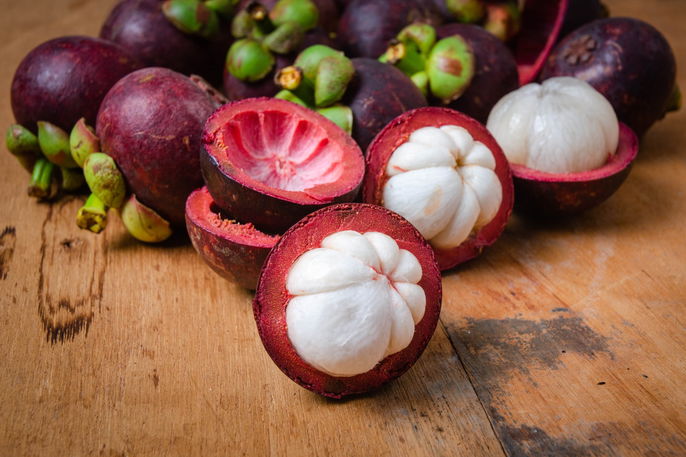
Purple mangosteen is also referred to as "true mangosteen", or scientifically as Garcinia mangostana. It has a purple skin, white pulp and a sweet-tart acidic flavor.
This type of mangosteen also has more seeds than the yellow one.
Nutritional information
The following table shows the nutritional composition of 100g of fresh purple mangosteen:
To reap the benefits of mangosteen, it is important to incorporate it into a healthy diet and an active lifestyle.
How to eat
Mangosteen can be consumed naturally, in the form of flour, concentrate or supplement.
- Fresh fruit: Mangosteen has a sweet and pleasant flavor, and can be consumed naturally or added to juices and smoothies;
- Mangosteen peel flour: This can be purchased in health food stores. You can add one teaspoon (per day) to salads or juices;
- Mangosteen concentrate: This can also be purchased in health food stores. Generally, you can consume about 40ml per day, either on its own or mixed with water.
There is no recommended daily amount of fresh mangosteens you can eat per day. However, the minimum recommended amount of fruit is 2 to 3 servings per day. One serving of mangosteen is equivalent to 1 unit of approximately 100 g.
Mangosteen supplements
Mangosteen supplements can be purchased at pharmacies or health food stores, and you can generally take 1 to 2 capsules per day.
However, this supplement should only be used as approved by a doctor or medicinal plant specialist.
Contraindications for supplements
Mangosteen supplements are rich in xanthones, which are substances that can alter blood clotting. Therefore, people with clotting disorders or who take anticoagulant medications should speak to their their doctor before taking mangosteen supplements.
Pregnant and breastfeeding women should not consume mangosteen supplements, as there is not enough research to support the safety of this supplement in these populations.
Healthy recipes
Mangosteens can be used in healthy recipes such as:
1. Mangosteen smoothie
Ingredients:
- 2 mangosteens
- 1 banana
- 1 walnut
- 200 ml of milk or plant-based milk
- 1 teaspoon of honey
Directions:
Wash, peel and chop the banana and mangosteen and place in the freezer for 4 hours. Crush the walnut and set aside.
Place the milk, honey and frozen fruit in a blender and blend until smooth. Finish by sprinkling the walnuts on top and serve.
2. Mangosteen juice
Ingredients:
- 1 mangosteen
- 200 ml of filtered or boiled water
- 1 teaspoon of honey
- Ice as desired
Directions:
Wash and peel the mangosteen. Remove the pulp from the fruit and place in a blender. Add the honey and water to the blender and blend for 2 minutes. Serve while still cold.