


Lung pain can be caused by tuberculosis, pneumonia, pleurisy, asthma, emphysema or pulmonary embolism. It usually feels like a heavy pressure or discomfort in the upper to mid back. Although patients can report lung pain, lungs themselves do not have pain receptors, and pain is related to swelling or other inflammatory processes in the area.
Depending on the underlying cause, lung pain may be accompanied by symptoms such as a dry cough with phlegm or blood, difficulty breathing, wheezing or fever.
Whenever you experience any discomfort in the chest area that worsens suddenly or does not resolve within 24 hours, you should see a doctor for assessment and testing to rule out a cardiac issue.
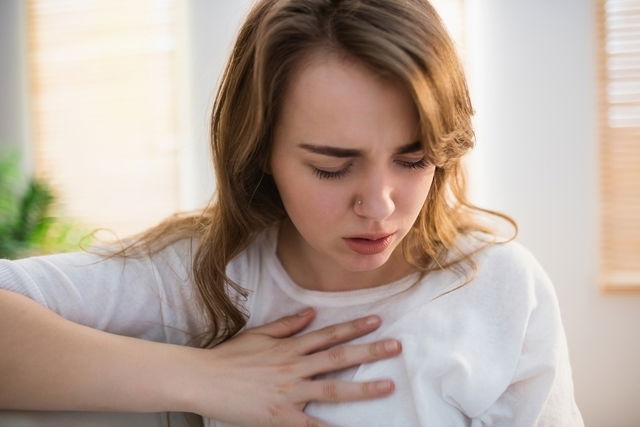
What causes lung pain?
The most common causes of lung pain include:
1. Pleurisy
Pleurisy, also known as pleuritis, is an inflammation of the pleura, which is a membrane that lines the lungs and the inside of the thorax. It can cause symptoms such as pain when breathing deeply, cough and difficulty breathing.
Generally speaking, this problem arises due to a build-up of liquid between the two layers of the pleura. It's more frequent in people with a history of a respiratory disease, such as the flu, pneumonia or other lung infections.
What to do: If you suspect of pleurisy it's important, you should seek medical attention to confirm a diagnosis and start appropriate treatment. Treatment usually depends on the cause of pleurisy, but symptoms can be managed with anti-inflammatory drugs prescribed by the doctor, such as ibuprofen.
2. Respiratory infection
Lung infections, such as tuberculosis or pneumonia, can also cause chest pain, which is usually accompanied by other symptoms such as breathing problems, excess mucous, cough with or without blood, fever, chills and night sweats.
What to do: If you suspect a lung infection, you should see your doctor immediately to prevent worsening. Generally, treatment involves antibiotics and other medications to relieve symptoms. Check-out the home remedies you can try to help relieve your symptoms.
3. COVID-19
COVID-19 is an infection caused by the SARS-CoV-2 virus, which leads to the appearance of flu-like symptoms, like a fever above 100.4ºF (or 38ºC), headache, sore throat, general malaise and a dry, persistent cough. These can cause lung pain as well as difficulty breathing in more serious cases.
What to do: if you suspect you may have COVID-19, you are advised to perform a rapid COVID test or PCR test to confirm the infection. If it is confirmed, you should remain in isolation and follow the treatment plan prescribed by your doctor. He or she may recommend rest and medication to relieve symptoms.
Serious cases that present with difficulty breathing and intense chest pain should be treated in a hospital setting.
4. Asthma
Asthma is a chronic disease of the lungs that is characterized by irritation and inflammation of the airways. During an asthma attack, it can cause chest pain, wheezing, breathlessness and intense cough.
What to do: Treatment for asthma usually involves long-term use of inhaled corticosteroids and bronchodilators. Read more about the asthma inhalers that your doctor may consider for you.
In addition, there are other ways of preventing an asthma attacks, such as avoiding having pets at home, keeping the house clean, avoiding carpets and curtains, and keeping away from smokers.
Also recommended: Asthma Medication: Chronic Management & Asthma Attacks tuasaude.com/en/asthma-medication5. Pulmonary embolism
Also known as lung thrombosis, this is an emergency situation where a blood vessel in the lung gets blocked by a blood clot. This results in decreased blood flow to the affected area, resulting in pain when breathing or sudden breathlessness, which tends to get worse overtime.
Pulmonary embolisms are most common in people who have had a recent thrombosis, who have undergone recent surgery, or who have had to spend a long time in bed without moving.
What to do: A pulmonary embolism is a medical emergency that needs to be treated at the hospital. Anticoagulant medication such as heparin, is usually administered to help dissolve the clot and restore blood flow. In addition, the patient may also need to take analgesics to relieve chest pain.
6. Atelectasis
Atelectasis is a respiratory complication that happens due to the collapse of the lung alveoli. This can occur with conditions like cystic fibrosis or other lung lesions, resulting in intense difficulty breathing, persistent cough, and constant chest pain.
What to do: Any change that causes intense respiratory difficulty requires immediate medical attention in the emergency rooml. Treatment depends on the cause and in serious cases, the doctor may resort to surgery to clean the airways or even remove the affected area of the lungs.
7. Emphysema
Emphysema is a condition in which the lungs lose elasticity over time, which results in the destruction of alveoli. It can cause symptoms such as breathlessness, fatigue, chest pain, persistent cough, and wheezing.
What to do: You should avoid places with a lot of smoke and pollutants, and steer clear of smoking. In addition, it's important you visit a pulmonologist so that they can assess your symptoms and recommend the most suitable treatment, which may involve medication to dilate the airways and relieve symptoms.
8. Pneumothorax
A pneumothorax happens when air escapes to the pleural space, which is the area between the lungs and the thoracic wall. This increases the pressure on the lungs, until they eventually collapse. Symptoms of a pneumothorax include intense pain when breathing, breathlessness, heart rate changes, and bluish skin, especially on the fingers and lips.
What to do: If you suspect of a pneumothorax, you should proceed to a hospital as soon as possible. Excess air that has accumulated is usually aspirated to restore the lung back to its proper placement.
9. Heart disease
Some heart conditions, such as a heart attack, angina, and arrhythmia, can also cause intense chest pain, as well as palpitations, swelling, fatigue, and rapid breathing. In case of a heart attack, it's common for the pain to radiate to the arm and cause a tingling sensation. Learn about the most common symptoms associated with a heart attack.
What to do: If you suspect you might have a cardiac disease, you should see a cardiologist so that tests can be done in order to identify the underlying cause of pain and start correct treatment.
10. Anxiety attack
When experiencing an anxiety or panic attack, some people may feel chest pain, especially if they start breathing faster than normal. Rapid breathing can lead to an unbalance of oxygen and carbon dioxide, which will also cause dizziness, headache, and concentration problems. Learn more about other symptoms of an anxiety attack and what can trigger it.
What to do: A good way to decrease anxiety and relieve pain is to breathe slowly into a paper bag for at least five minutes while trying to control breathing. There are some teas you can try to help soothe your nerves and help you relax. If the pain does not improve, you should go to the hospital.
11. Lung cancer
Lung cancer can cause lung pain, chest pain, and coughing with blood or shortness of breath.
Other symptoms include excessive fatigue, weakness, loss of appetite or weight loss for no apparent reason.
What to do: Treatment for lung cancer is performed by an oncologist and may involve chemotherapy, radiation therapy or surgery.