


- Immediate medical attention is required if the lump feels hard, immovable, or appears fixed to the underlying tissue.
- You should see a doctor if you experience systemic symptoms such as high fever, night sweats, or unexplained weight loss.
- A professional evaluation is necessary for any lump that grows rapidly or persists for more than two weeks.
A lump in armpit can be caused by several conditions, ranging from minor issues like allergies and infections to more serious causes such as swollen lymph nodes, breast cancer, or lymphoma. These lumps can vary in size, shape, and how quickly they appear or grow.
In many cases, a lump in armpit may be accompanied by other symptoms such as pain, redness, fever, night sweats, or unexplained weight loss. Identifying these additional signs is important to better understand the cause and determine if medical care is needed.
Because the causes of a lump in armpit vary widely, timely evaluation can help guide the right treatment. This may include simple measures like warm compresses or medical treatments such as antibiotics, anti-inflammatories, or surgery depending on the underlying cause.
Why is there a lump in my armpit?
The main causes of a lump in the armpit are:
1. Allergies
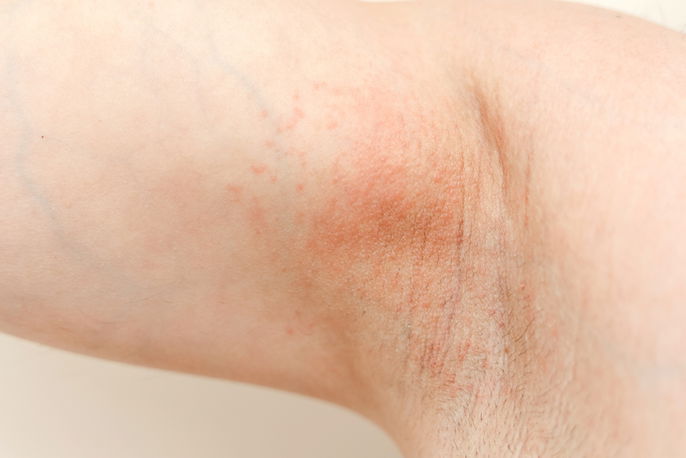
Allergies and rashes are an inflammatory reaction that arise due to an exaggerated response of the immune system. This reaction can be triggered by substances such as deodorants, creams, or even clothing and can lead to the appearance of a lump in the armpit, irritation, intense itching, bumps or red spots in the skin.
What to do: You should try to identify the allergy trigger and avoid exposure to it whenever possible. If symptoms do not improve, you should consult a dermatologist who can perform an allergy test to identify the trigger and, if necessary, advise treatment with allergy medications or corticosteroids.
2. Folliculitis
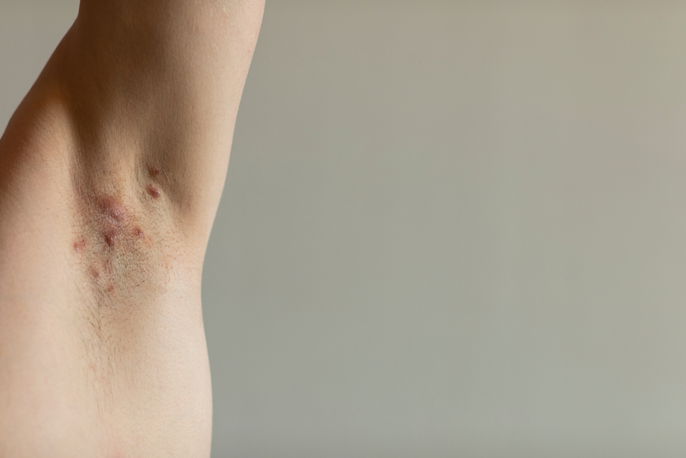
Folliculitis is characterized by inflammation of the hair follicle, which is the structure in the skin where the hair roots are located. Swelling in this area can make it difficult for the hair to come out on the surface of the skin, and an obstruction can lead to symptoms, such as one or several small bumps that are painful, itchy, red or yellow in color, and have discharge.
Armpit folliculitis, also known as ingrown hairs, are relatively common and are usually caused by skin friction when wearing tight clothing. These ingrown hairs can also appear after shaving or waxing, or due to a bacterial or fungal infection.
What to do: Folliculitis can be treated at home by cleansing the armpit with antiseptic soap. Worse cases may require anti-inflammatory or antibiotic creams, ointments or tablets prescribed by a dermatologist. You should avoid shaving or waxing the skin until the inflammation improves.
3. Boil
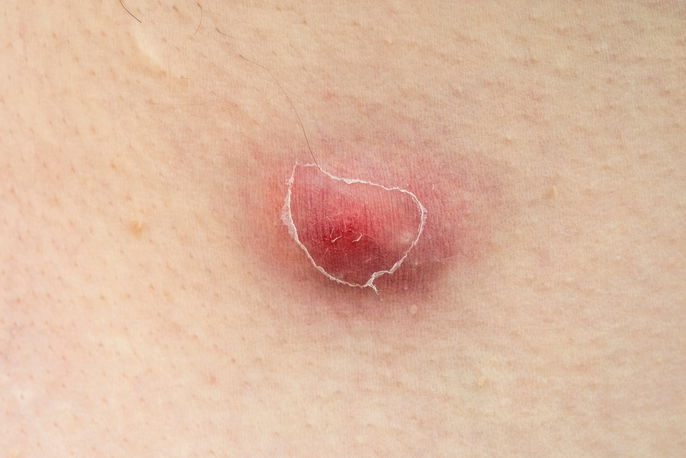
A boil is also caused by an infection at the root of the hair follicle, however, it is deeper and causes inflammation of the surrounding area. It leads to an even larger lump that is more red and produces a large amount of pus.
This pus-filled lump can grow over time, causing pain, increased heat in the area and sensitivity to touch. It can appear in the armpit or any other area of the body that sweats a lot or undergoes friction.
What to do: You should see a doctor for assessment and to determine whether the boil should be drained. Your doctor may prescribe topical or oral antibiotics as well as warm compresses.
When treating a boil and to prevent worsening, you should use antiseptic soap to cleanse the area daily. Clothing that comes in contact with the boil should also be clean. Avoid popping the boil, as this can worsen inflammation and infection, making it more difficult to treat. Read more about tips to heal a boil quickly and relieve symptoms.
4. Skin tag
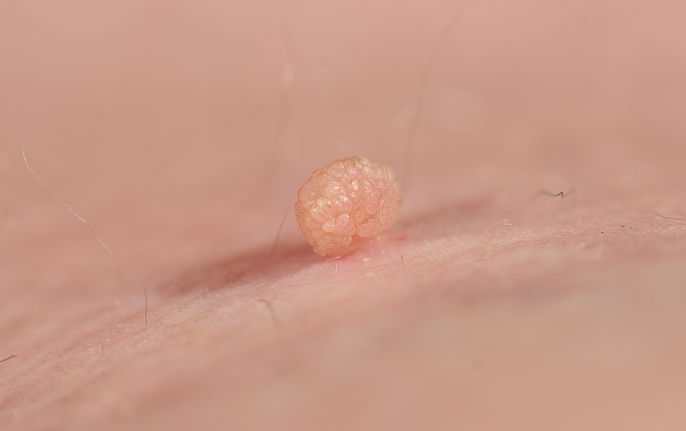
A skin tag is a small, soft, flesh-colored growth that usually hangs off the skin by a thin stalk. They are benign and painless, and can vary in size from a few millimeters to several centimeters. Skin tags can appear in the armpit or other areas where the skin folds or experiences friction, such as the neck, eyelids, groin or under the breasts.
Skin tags are more common in people who are overweight, have diabetes, or have a family history of these growths. Although they are harmless and do not turn into cancer, they can become irritated by clothing or jewelry, or cause discomfort due to friction.
What to do: Skin tags do not require treatment unless they are bothersome or irritated. In these cases, you should see a dermatologist, who may remove them with minor procedures such as freezing (cryotherapy), cauterization, cutting, or laser therapy. You should not try to remove a skin tag at home, as this can cause bleeding and infection.
5. Lipoma
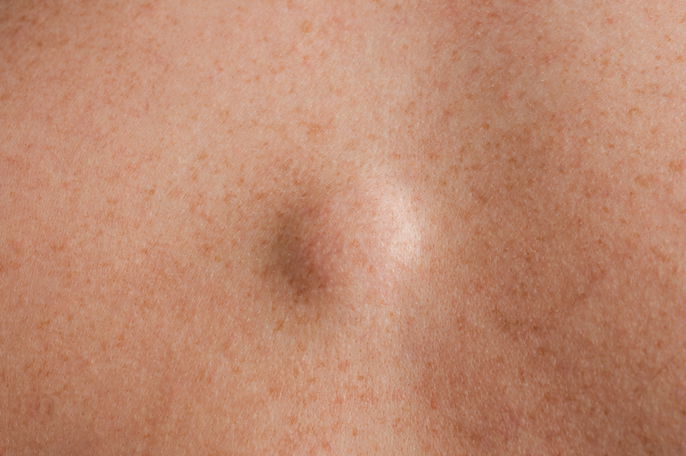
A lipoma is a round, soft lump that forms under the skin and is made up of fat cells. It can appear in the armpit, neck, back, shoulders or any place on the body where fat cells are present.
Generally, lipomas do not cause pain, however, in some cases it can grow and press on nerves in the area, leading to pain, inflammation, redness or increased heat in the area.
What to do: Generally, no treatment is necessary for a lipoma, however, large or uncomfortable lipomas can be surgically removed.
6. Hidrosadenitis suppurativa
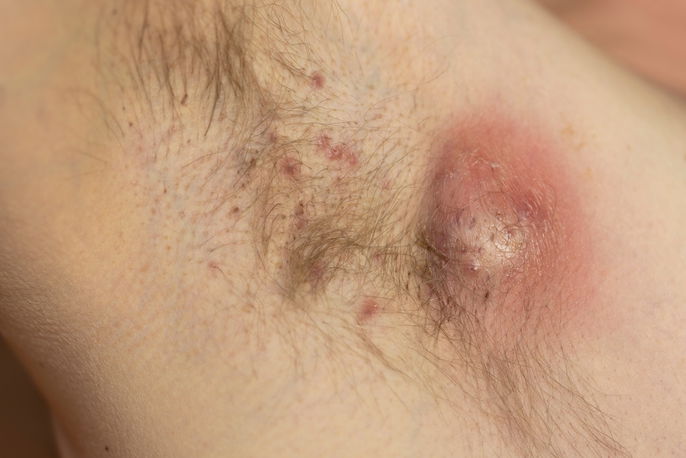
Hidradenitis suppurativa is characterized by inflammation of the sweat glands which block of the passage of sweat out of the gland. This can lead to the formation of painful lumps that leave scars on the skin.
What to do: A dermatologic assessment is necessary, as this condition is treated with antibiotic creams and/or corticosteroid injections in the armpit. In more serious cases, surgery may be necessary to remove the affected area and replace it with a graft.
The doctor will also advise you to keep the area clean, avoid wearing tight clothing and apply warm compresses to the area.
7. Sebaceous cyst
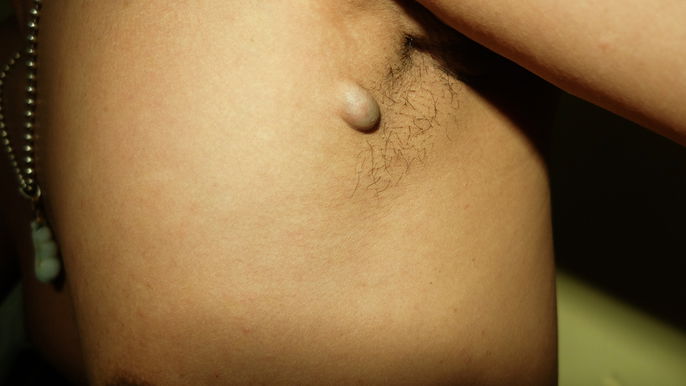
A sebaceous cyst is a lump that forms under the skin. It has a rounded shape, and is usually only a few centimeters in diameter, but it can increase in size over time. This cyst can be hard or soft, and is movable when palpated. It can appear in the armpit or in other areas of the body.
Sebaceous cysts are benign are usually caused by an obstruction in the sebaceous gland. This leads to sebum accumulating under the skin. Although a small cyst generally does not cause symptoms, cysts that becomes inflamed or infected can lead to pain, increased heat in the area, sensitivity or redness.
What to do: Treatment should be oriented by a dermatologist, and usually consists of applying warm water compresses for 15 minutes to the area and using anti-inflammatories. Inflamed or infected cysts may require drainage followed by a round of antibiotics.
8. Swollen lymph node

A lymph node can become swollen in the presence of inflammation or infection in the arm, chest or breast region. Lymph nodes are a part of the immune system, and can increase in size to produce more defense cells in order to fight off foreign invaders.
Most of the time, a swollen lymph node in the armpit is not concerning. They can appear for a variety of reasons, such as an ingrown hair, folliculitis, boil, and lymphadenitis. They can also be a sign of a systemic disease, such as lupus, rheumatoid arthritis, dermatomyositis or sarcoidosis or cancer, especially when they grow a lot or are located in other parts of the body.
Read more about swollen lymph nodes in the armpit.
What to do: Treatment should be oriented by a doctor and depends on the underlying cause of the swelling. The doctor may prescribe anti-inflammatories, antibiotics, antivirals, corticosteroids or biological therapy. If it is related to cancer, surgical removal of the node or tumor that is causing its swelling may be advised, followed by chemotherapy or radiation therapy.
9. Breast cancer

Breast cancer is one of the main types of cancer that affect women, but it can also affect men. Its early stages usually do not cause symptoms. The main sign that may indicate the presence of the tumor is the palpation of a hard lump in the breast.
Other symptoms may include swelling, breast pain that can radiate to the arm, redness, and discharge from the nipples. Read more about the signs of breast cancer and how they can present.
Also recommended: Lump in Breast: 7 Common Causes & Treatment tuasaude.com/en/breast-lumpWhat to do: If you notice any changes to your breast, you should advise your doctor so that breast cancer can be ruled out. If confirmed, the doctor will consider treatment options such as surgery, chemotherapy, radiation, hormone therapy or biological therapy.
10. Lymphoma

A lump in the armpit can also be a sign of lymphoma, which is a type of cancer of the lymph nodes. It can lead to the appearance of a hard lump in the armpit, which does not disappear after 1 or 2 months and does not stop growing.
Generally, in this type of cancer, other symptoms may be present in addition to the lump in the armpit, such as fever, night sweats, excessive tiredness and weight loss for no apparent reason.
What to do: You should report this lump to your doctor so that he or she can order testing to rule out this type of cancer. If confirmed, treatment will depend on the type and stage it presents with, and may include chemotherapy or radiation therapy.
When to worry
Most lumps in the armpit are harmless and may resolve on their own, especially when they are related to minor infections or irritation. However, medical attention is recommended if:
- The lump grows quickly
- Feels hard or fixed
- Is larger than 2 cm
- Does not improve within 2 to 4 weeks
You should further assessment from a doctor if the lump is accompanied by symptoms like persistent pain, fever, night sweats, unexplained weight loss and/or multiple lumps in different areas
A general practitioner or dermatologist can evaluate the lump with a physical exam and, if needed, order tests like ultrasound or a biopsy. Early diagnosis allows for timely treatment and can prevent complications.