


How to get rid of a boil usually involves applying warm compresses to reduce pain and encourage the pus to drain naturally. Keeping the area clean and using a topical medication when recommended by a healthcare professional may also support healing.
Most boils heal on their own within about two weeks, especially after they begin to drain. Home care may also include antiseptic cleansing and other measures that help reduce discomfort and keep the area clean.
A boil should never be squeezed or popped because this can spread the infection and make it worse. If it does not improve after two weeks, a dermatologist should evaluate the area and recommend the most appropriate treatment.
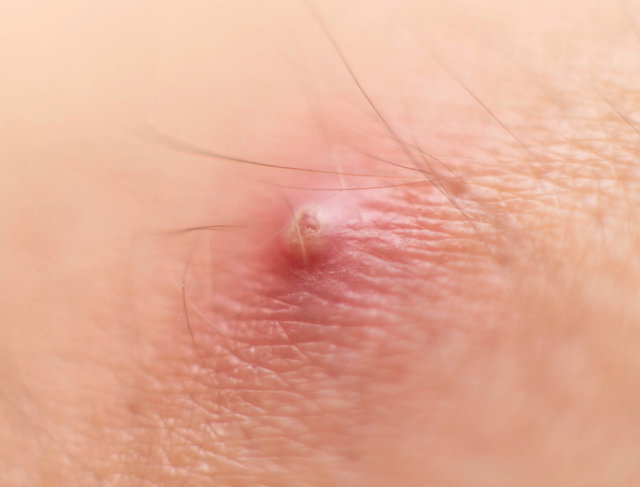
Boil treatment
Some tips that may help get rid of a boil faster include:
1. Applying a warm compress
According to the American Academy of Dermatology, applying a warm compress several times a day can help encourage natural drainage.
To prepare a compress, warm some water and soak a clean washcloth or towel in it. Squeeze out the excess water, then apply the compress directly to the boil for 5 to 10 minutes, 2 to 4 times a day.
2. Washing the area with antiseptic soap
Wash the area around the boil every day with water and an antiseptic or antibacterial soap. Keeping the area clean can help control bacteria, reduce inflammation, and prevent the boil from getting worse.
Antiseptic soap can also be used to clean the area after a boil bursts. It is important to change the dressing regularly to help prevent the infection from getting worse.
3. Using essential oils
Some essential oils, such as tea tree oil, lemongrass, and cinnamon oil, have antiseptic, anti-inflammatory, and astringent properties that may help reduce swelling and discomfort.
To use an essential oil, add 3 to 5 drops to the warm water before soaking the washcloth for a compress. If applying it directly to the skin, first dilute 3 to 5 drops in 1 tablespoon of a carrier oil, such as coconut or almond oil.
4. Applying fresh garlic
Applying fresh garlic to a boil may help support healing because garlic contains allicin, a compound with antibacterial properties.
To use garlic, crush a few cloves and apply them to the skin over the boil, then cover the area with a clean, dry compress or towel. Leave it on for about 20 minutes, then wash the area with warm water and antibacterial or mild soap; this can be done up to twice a day.
Fresh garlic should only be applied to the skin and should not be used on boils located on mucous membranes. It should also not be used by anyone who is allergic to garlic.
5. Applying castor oil
Castor oil contains ricinoleic acid, which has anti-inflammatory, pain-relieving, and antimicrobial properties that may help support the healing of a boil.
To use castor oil, apply a small amount directly to the boil after washing the skin with antiseptic soap. Castor oil can be applied up to 3 times a day.
6. Using antibiotic ointment
In some cases, a healthcare provider may recommend a topical antibiotic, such as mupirocin, for a bacterial skin infection. Mupirocin is a prescription topical antibiotic and should only be used as directed by a healthcare professional.
Also recommended: 6 Antibiotic Creams for Boils (& How to Treat Boils) tuasaude.com/en/best-antibiotic-cream-for-boilsWhat to avoid
Never squeeze or pop a boil. According to the CDC, trying to drain a skin infection yourself can make the infection worse or spread it to other people.
Care tips
During treatment, it is important to:
-
Wash your hands whenever you touch the boil
-
Throw away used dressings and wash your hands with soap and water afterward
-
Avoid sharing clothing, washcloths, sheets, or towels, and wash contaminated items separately from other laundry
These precautions can help prevent the infection from spreading to other areas of the skin and reduce the risk of passing the bacteria that caused the boil to other people through contact with pus.
