


A low triglyceride diet focuses on eating foods that help lower fat levels in the blood, such as legumes, vegetables, fruits, fish, and nuts. These foods are rich in fiber, omega-3 fatty acids, and antioxidants, which help prevent the body from producing excess triglycerides.
Limiting ultra-processed foods high in fat and sugar, like sausages, packaged sauces, white rice, and ice cream, is also essential. A diet rich in natural, whole foods supports better heart health and helps reduce the risk of high triglycerides.
Following a balanced eating plan with healthy proteins, whole grains, and good fats, combined with regular physical activity, can help maintain healthy triglyceride levels. This approach not only promotes cardiovascular health but also reduces the risk of complications such as heart disease, stroke, and pancreatitis.
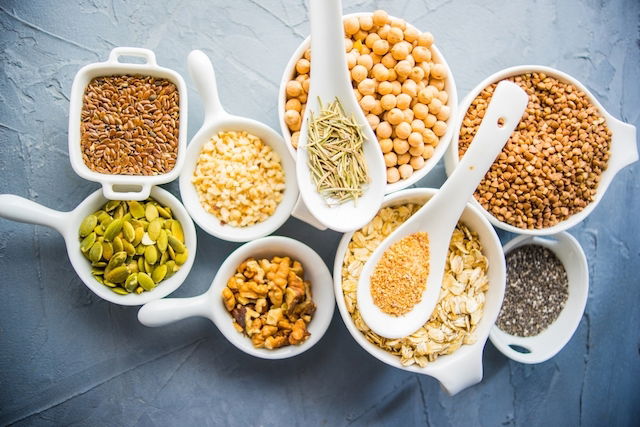
What to include
Foods to include in a low triglyceride diet are:
-
Fatty fish rich in omega-3s, such as tuna, sardines, trout, mackerel, herring, and salmon;
-
Lean protein, such as skinless chicken, turkey, eggs, and tofu;
-
Healthy fats, such as flaxseed oil, sunflower oil, and olive oil;
-
Nuts, including peanuts, cashews, almonds, and walnuts;
-
Seeds, such as pumpkin seeds, flaxseed, chia seeds, and sunflower seeds;
-
Whole grains, including brown rice, wheat bran, whole-grain pasta, whole-grain bread, quinoa, and oats;
-
Legumes, such as chickpeas, lentils, beans, and peas;
-
Fruits and vegetables with peel and pulp, such as oranges, peaches, apples, lettuce, Swiss chard, spinach, arugula, broccoli, kale, and carrots;
-
Beverages such as water, coconut water, and unsweetened teas.
These foods provide omega-3s, fiber, and antioxidants that help regulate cholesterol and lower triglyceride levels.
Natural remedies
A registered dietitian may also recommend natural options like turmeric tea and garlic tea, which contain antioxidant and anti-inflammatory compounds that support heart health.
Physical activity
In addition to diet, regular physical activity is key. Aim for at least 150 minutes of moderate-intensity aerobic exercise per week or 75 minutes of vigorous activity.
Exercise helps maintain a healthy weight, supports overall health, lowers triglycerides, and raises levels of “good” HDL cholesterol.
Meal plan
Below is an example of a 3-day meal plan designed to help lower triglyceride levels:
This menu is only an example and should be adjusted based on individual nutritional needs. It's important to work with a registered dietitian so they can create a personalized eating plan that ensures you get the right nutrients and helps manage your triglyceride levels effectively.
What to avoid
Foods to avoid on a low triglyceride diet include:
-
Added sugars found in ice cream, cakes, desserts, candies, fruit juices, soft drinks, and packaged sauces;
-
Refined carbohydrates and starchy foods such as white flour, white rice, potatoes, white bread, and white pasta;
-
High-fat foods such as butter, whole milk, full-fat yogurt, bacon, beef, yellow cheeses, sausage, ham, salami, and bologna;
-
Ultra-processed foods such as French fries, hamburgers, pizzas, fast-food meals, and ready-made sauces.
Alcohol consumption
It’s also recommended to avoid alcoholic beverages, including beer, wine, and champagne. These drinks are high in carbohydrates and alcohol, which promote fat accumulation and raise triglyceride levels.
Also recommended: How to Lower Triglycerides: 8 Diet Tips for Normal Levels tuasaude.com/en/how-to-lower-triglycerides