


A gout diet helps lower uric acid levels by limiting foods high in purines, such as organ meats, red meat, certain fish, and shellfish. It also emphasizes nutrient-rich foods that support overall health, including fruits, vegetables, whole grains, and low-fat dairy products.
Staying well hydrated is another important part of a gout diet because drinking enough water helps the body remove excess uric acid through the urine. Maintaining a healthy weight may also help reduce gout flares, although rapid weight loss and restrictive diets should be avoided.
A balanced eating plan, along with treatment recommended by a healthcare provider, can help control uric acid levels and reduce the risk of future gout flares.
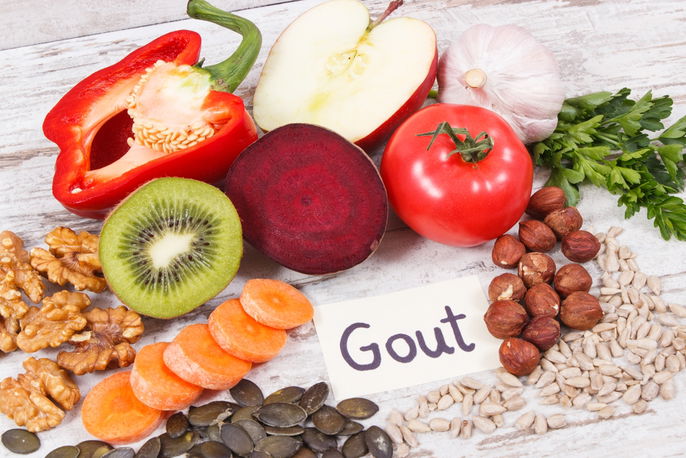
Foods to avoid
Foods that should be avoided during a gout flare, include:
-
Alcoholic beverages, especially beer and liquor
-
Organ meats, such as heart, kidneys, gizzards, and liver
-
Processed meats, such as hot dogs, ham, salami, and bologna
-
Large amounts of red meat, such as beef, pork, or lamb
-
Certain types of seafood, such as oysters, shrimp, octopus, squid, mussels, and scallops
-
Certain types of fish, such as anchovies, herring, mackerel, and sardines
-
Sugar-sweetened beverages, such as soda, sweetened fruit drinks, and energy drinks
-
Foods high in added sugar, such as candy, cakes, cookies, ice cream, and products made with high-fructose corn syrup
These foods should be avoided or limited whenever possible to help prevent uric acid levels from rising and reduce the risk of gout flares.
According to the American College of Rheumatology, people with gout who are overweight or have obesity should use an appropriate weight-loss program because losing excess weight may help lower uric acid levels and reduce gout flares.
However, rapid weight loss and highly restrictive diets should be avoided because they may temporarily raise uric acid levels and trigger a gout flare.
Foods to eat in moderation
Foods such as eggs, lean beef, skinless poultry, and fish not listed above may be eaten in moderation. A serving of meat, fish, or poultry may be about 2 to 3 oz per day, depending on individual nutritional needs.
Some people report that foods such as strawberries, oranges, tomatoes, and nuts trigger gout flares. However, these foods are not high in purines, and there is not enough scientific evidence to show that they commonly cause gout attacks.
Foods to include
During gout treatment, it is recommended to prioritize foods that are low in purines, as well as foods that provide water, vitamins, and fiber, such as:
-
Fresh vegetables, such as watercress, carrots, tomatoes, pumpkin, onions, cucumbers, broccoli, cauliflower, spinach, asparagus, and lettuce
-
Fresh fruits, such as apples, oranges, watermelon, lemons, passion fruit, strawberries, and cantaloupe
-
Low-fat dairy products, such as skim milk, low-fat yogurt, ricotta, and cottage cheese
-
Legumes, such as chickpeas, beans, lentils, and soybeans
-
Whole grains, such as brown rice, corn, whole-wheat pasta, and whole-wheat bread
Olive oil, flaxseeds, sesame seeds, and pumpkin seeds provide unsaturated fats, fiber, and antioxidant compounds, making them nutritious additions to a balanced diet.
Some foods, such as cauliflower, asparagus, beans, and chickpeas, contain moderate amounts of purines. However, purines from plant foods do not appear to raise gout risk in the same way as purines from organ meats and certain seafood, so these nutritious foods generally do not need to be avoided.
Meal plan
The following table provides an example of a 3-day gout diet meal plan:
This meal plan is only an example and should be adjusted based on factors such as sex, current weight, activity level, overall health, and individual nutritional needs.
A registered dietitian can provide a complete assessment and create a personalized meal plan.
