


Lettuce benefits, like promoting weight loss, improving hut health and regulating blood sugar levels, are made possible as this leafy green is high in fiber and antioxidants.
Lettuce naturally contains nutrients and bioactive compounds like vitamin C, carotenoids, folates, chlorophyll and phenolc compounds, which can give it properties that are hypoglycemic, digestive, antioxidant, diuretic, laxative and soothing.
Lettuce can be easily incorporated into your daily diet, and can be used to prepare salads, juices and teas. Lettuce can also be grown at home, with just a small pot and plenty sunlight and water.
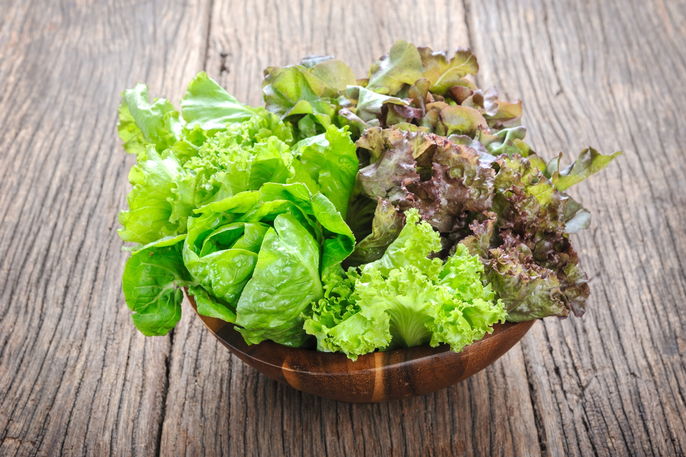
Health benefits
The health benefits of lettuce include
1. Promoting weight loss
Lettuce is a vegetable that is low in calories and high in fiber, which can keep you full and lead to weight loss.
However, to lose weight, is also important to maintain a healthy diet and to exercise regularly, at least 3 times per day.
Also recommended: Weight Loss Diet: Lose Weight Safely (Food List + Free Meal Plan!) tuasaude.com/en/weight-loss-diet2. Regulating blood sugar
The fiber present in lettuce slows down the absorption of carbohydrates in the gut, which can prevent a rapid increase in blood sugar. This makes lettuce an excellent option for diabetic or pre-diabetic people.
Therefore, lettuce can be beneficial for the prevention of diabetes and insulin resistance.
3. Promoting eye health
Lettuce is rich in vitamin A, an important micronutrient for maintaining eye health. It can be help to prevent xerophthalmia and night blindness, as well as macular degeneration associated with age.
4. Preventing premature skin aging
Thanks to its antioxidant action, consuming lettuce helps to protect skin cells from damage caused by free radicals. It also contains vitamin A and E, which protects the skin from the sun's UV rays. The vitamin C found in lettuce can also promote healing and collagen production in the body, which can reduce the development of wrinkles.
Lettuce is also rich in water, which can contribute to the skin's overall hydration.
5. Maintaining bone health
Lettuce is rich in several minerals such as calcium and phosphorus, which are related to bone formation. In addition, it also contains magnesium, which plays a role in absorption and adherence by suppressing the the hormone responsible for bone reabsorption.
Furthermore, this vegetable also contains vitamin K, which is also related to strengthening bones.
6. Preventing anemia
Because it contains folic acid and iron, eating lettuce can also prevent and treat anemia, as these are minerals related to red blood cell formation. Due to the type of iron that lettuce provides, it is important to eat vitamin C foods when consuming lettuce to ensure iron absorption.
7 Helping to fight insomnia
Lettuce has soothing properties that help to reduce stress and excitability of the central nervous system. It can be prepared as a tea help to combat insomnia and promote better sleep.
Read about other teas for sleep that you can make for a better night's sleep.
8. Exerting antioxidant action
Lettuce is rich in antioxidants, because it contains vitamin C, carotenoids, folates, chlorophyll and phenolic compounds. These prevent damage caused by free radicals and, therefore regular consumption may help to prevent chronic diseases, like cancer.
Also recommended: Antioxidants: Health Benefits, Food List & Supplements tuasaude.com/en/antioxidants9. Fighting constipation
Because it is high in fiber and water, lettuce can add bulk and hydration to the stool, which can make it easier to eliminate. Therefore, lettuce is a great options for treating constipation. Check-out other laxative foods you can add to your diet to fight constipation.
10. Combating fluid retention
Eating lettuce on a regular basis helps to reduce fluid retention, as it contains lots of water. 100 g of lettuce, for example, has 95.9 grams of water, and therefore, it can be used to promote fluid elimination through the urine.
Types of lettuce
The main types of lettuce are:
1. Iceberg lettuce
Iceberg lettuce typically has round, light green leaves that are tightly packed together. It has a very firm and crunchy texture and a strong flavor.
2. Boston lettuce
Boston lettuce can have green or purple leaves, loose, and has a softer texture and milder flavor.
3. Summer crisp lettuce
Curly lettuce has loose leaves, with waves at the ends. It also has a slightly crunchy texture and a slightly more bitter flavor.
4. Romaine lettuce
Romaine lettuce has wider, longer, tightly packed leaves. It also has a crunchier texture and a color that varies between light green and dark green.
5. Red or green leaf lettuce
This type of lettuce has looser and smaller leaves than the others. It has a softer texture and a very mild flavor.
Nutritional information
The following table outlines the nutritional composition of 100 g of different types of lettuce:
How to eat
There is no specific recommended amount of lettuce you should eat per day. However, the minimum daily recommendation for vegetables is 2 to 3 servings, which corresponds to about 160 to 240 g of lettuce per day.
Lettuce can be cooked, sautéed or used to make tea. It is usually consumed in its raw form and used in salads, juices and sandwiches.
How to store
To help lettuce last for longer in the fridge, store it in a lidded container, and place a paper towel at the bottom and top of the container.
This will help to absorb the moisture from the leaves and makes them last for longer. Tou can also place a napkin between each leaf, and change the paper towel when it gets too damp.
Lettuce recipes

Check-out some easy and healthy recipes made with lettuce:
1. Stuffed lettuce roll
Ingredients:
- 6 Boston lettuce leaves;
- 6 slices of light cottage cheese or ricotta cream
- 6 slices of ham
- 1 small carrot or ½ beet, grated
Sauce:
- 2 tablespoons of olive oil
- 1 tablespoon of water
- 1 tablespoon of mustard
- 1/2 tablespoon of lemon juice
- Salt and oregano to taste
Directions:
Place a slice of cheese, ham and 2 tablespoons of grated carrot on each lettuce leaf. Then roll the leaf and secure it with a toothpick. Place the rolls on a tray. Mix all the sauce ingredients and drizzle it over the rolls. To make the roll more nutritious, you can add shredded chicken to the filling.
2. Lettuce salad
Ingredients:
- 1 iceberg lettuce
- 2 grated carrots
- 1 grated beet
- 1 tomato, peeled and with seeds removed.
- 1 small mango or 1/2 large mango cut into cubes
- 1 onion cut into slices
- Olive oil, vinegar, salt and oregano to taste
Directions:
Mix all the ingredients and season with oil, vinegar, salt and oregano. This salad can be used as a side dish or starter for main meals, helping to keep ou full and reduce carbohydrate and fat absorption in the gut.
3. Lettuce tea
Ingredients
- 3 chopped lettuce leaves
- 1 cup of water
Directions
Boil the water with the lettuce leaves for about 3 minutes. Then strain and drink while still warm at night to combat insomnia.
Also recommended: Natural Sleep Aids: 6 Home Remedies for Insomnia tuasaude.com/en/natural-sleep-aids4. Apple and lettuce juice
Ingredients:
- 2 cups of lettuce
- 1/2 cup chopped green apple
- 1/2 the juice from a lemon
- 1 tablespoon of rolled oats
- 3 cups of water
Directions:
Mix all the ingredients in a blender and drink 1 glass of cold juice.