


- Lemon balm benefits include calming, antioxidant, and anti-inflammatory effects that can help relieve anxiety, stress, digestive issues, and insomnia.
- Rich in compounds like rosmarinic and caffeic acids, lemon balm may aid PMS relief, support memory, and fight bacteria and viruses.
- It can be taken as a tea, infusion, or supplement, but should be used cautiously by children, pregnant women, and people on thyroid medication.
Lemon balm benefits come from its rich content of phenolic compounds and flavonoids, which give this medicinal plant calming, antioxidant, and anti-inflammatory properties. It can help relieve anxiety, stress, digestive problems, and even promote better sleep quality.
Used for centuries in traditional medicine, lemon balm supports relaxation and may help reduce headaches, menstrual cramps, and symptoms of PMS. Some studies also suggest its potential to complement treatments for Alzheimer’s disease and infections caused by bacteria and viruses.
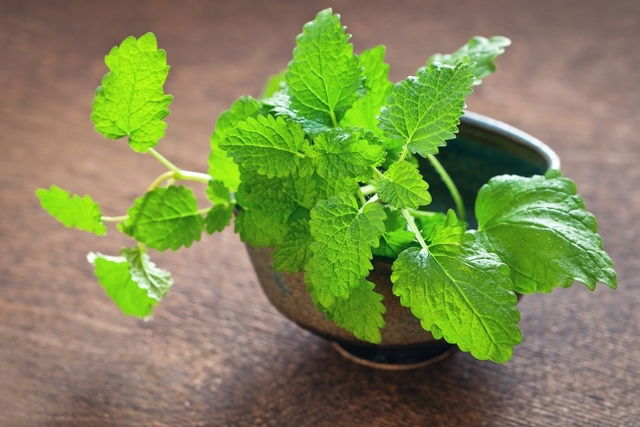
Lemon balm can be consumed as a tea, infusion, or supplement and is easy to grow at home. Its versatility and mild flavor make it a popular natural remedy for promoting overall health and well-being.
Health benefits
Lemon balm can be consumed to achieve the following health benefits:
1. Improving sleep quality
Lemon balm contains phenolic compounds, like rosmarinic acid, which has soothing and sedative properties. It can be beneficial for managing insomnia and improving sleep quality.
Some studies also show that taking lemon balm tea twice a day for 15 days can improve imsonia. Lemon balm tea with valerian can help to relieve restlessness and sleep disturbances.
2. Combating anxiety and stress
Lemon balm can help to combat stress and anxiety due to the rosmarinic acid in its composition. This substance increases the activity of neurotransmitters like GABA in the brain, which help the body to relax and promote wellbeing and tranquility. GABA also reduces symptoms of anxiety, like agitation and nervousness.
Some studies show that a single dose of lemon balm can increase calmness and alertness in adults under mental stress. Taking 3 capsules with 300 to 600 mg of lemon balm per day can help reduce symptoms of anxiety.
3. Relieve headaches
Lemon balm can also be useful for treating headaches, particularly those related to stress. Because of the rosmarinic acid, analgesic properties, and anti-inflammatories naturally found in lemon balm, this plant can help to relax the muscles and release tension. This can also dilate any tense blood vessels, which can relieve headaches.
4. Combat intestinal gas
Lemon balm contains citral, an essential oil with antispasmodic and carminative action. It inhibits the production of substances that cause intestinal contractions, which can relieve cramping and reduce gas.
Some studies show that treatment with lemon balm can improve colic in babies who breastfeed within one week.
5. Relieve PMS symptoms
Because it contains phenolic compounds like rosmarinic acid, lemon balm can help relieve symptoms of PMS by increasing GABA activity in the brain. This can improve mood, and reduce nervousness and anxiety, all of which are associated with PMS.
Lemon balm contains antispasmodic and analgesic properties that can also help to relieve menstrual cramps.
Some studies show that to reduce PMS symptoms, you should take 1200 mg of lemon balm daily.
6. Relieve gastrointestinal problems
lemon balm can help to complement the treatment of gastrointestinal problems, like indigestion, stomach pain, nausea, vomiting, GERD and IBS. It contains rosmarinic acid as well as citral, geraniol and beta-Caryophyllene and has antiinflammatory, antioxidant, and antispasmodic properties. This can help with the elimination of accumulated gas, which relieve symptoms and discomfort from gastrointestinal conditions.
7. Treat oral herpes
Some studies show that the caffeic acid, rosmarinic asic and telluric acid found in lemon balm can combat the herpes virus responsible for oral herpes. It inhibits the virus and blocks multiplication, which can reduce infection and boost healing time. It can also help to relieve symptoms like itching, numbness, burning, swelling and redness. To use lemon balm for cold sores, you should apply a lip balm that contains lemon balm at the earliest signs.
The acids in lemon balm can also help to inhibit the multiplication and growth of genital herpes, although more studies are needed to prove this benefit.
8. Eliminate fungus and bacteria
Some in-vitro lab studies show that the phenolic compounds in lemon balm (like romarinic acid, caffeic acid and coumaric acid) are able to eliminate fngus, particularly those found on the skin (like Candida sp.) as well as bacteria like:
- Pseudomonas aeruginosa which cause lung infections, ear infections and UTIs
- Salmonella sp which cause diarrhea and gastrointestinal infections
- Escherichia coli which cause UTIs
- Shigella sonnei which cause intestinal infections
However, more studies are needed to prove these benefits.
9. Complement the treatment of Alzheimer's
Some studies show that the phenolic compounds in lemon balm, like citral, can inhibit cholinesterase. This enzyme is responisble for the breakdown of acetylcholine, which is a neurotransmitter that is important for memory. People with Alzheimer's usually present with reduced levels of acetylcholine, which leads to memory loss and a reduced learning capacity.
In addition, studies show that taking lemon balm orally for 4 months can reduce agitation, improve cognitive thinking and reduce other symptoms of Alzheimer's.
10. Has antioxidant action
Lemon balm contains flavonoids and phenolic compounds, mainly rosmarinic and caffeic acids, which have antioxidant properties that help fight free radicals and reduce cell damage.
Therefore, lemon balm may help prevent diseases associated with oxidative stress caused by free radicals, such as cardiovascular diseases, cancer, and neurodegenerative disorders.
How to consume
Lemon balm can be consumed as a tea or infusion, or added to desserts. It is easy to use and very flavorful.
1. Lemon balm tea
To make the tea, we recommend you only use the leaves, which can be fresh or dry, as it the leaf is where all its beneficial properties can be found.
Ingredients
- 3 tablespoons of lemon balm leaves;
- 1 cup of boiling water.
Preparation
Add the lemon balm leaves to a cup of boiling water and let it infuse for a few minutes covered. Then strain the tea and drink 3 to 4 cups a day.
2. Lemon balm infusion
Lemon balm infusions can be prepared with fresh or dried leaves. It is a tasty and refreshing way to consume this medicinal plant and obtain all of its benefits.
Ingredients
- 1 cup of chopped lemon balm leaves
- 200 mL of water
- The juice of 1 lemon
- Ice as desired
- Honey as desired (optional)
Preparation
Add all the ingredients to a blender and blend. Then strain and add honey as necessary. Drink 1 to 2 cups per day.
Possible side effects
Lemon balm is safe when consumed for up to 2 weeks. However, if this medicinal plant is taken in excessive amounts or for longer than recommended, it may cause nausea, vomiting, abdominal pain, dizziness, drowsiness, a decrease in heart rate, low blood pressure, and shortness of breath.
Who should not use it
Lemon balm in the form of tea, tincture, capsules, or extracts is not recommended for children under 12 years old. People taking thyroid medication or sedatives should always consult a doctor before using lemon balm.
Because of its calming effect, lemon balm tea should not be consumed before activities that require alertness, such as driving or operating machinery. In addition, people with low blood pressure, as well as pregnant or breastfeeding women, should speak with their doctor before consuming lemon balm.