


Eating a kidney stone diet can help lower the risk of new stones by reducing salt intake, moderating foods high in oxalate or animal protein, and prioritizing fresh, minimally processed foods. Drinking enough water is also essential, since hydration supports kidney function and helps dilute minerals in the urine.
Because kidney stones can have different compositions, such as calcium oxalate, uric acid, struvite, or cystine, dietary needs may vary. Knowing the type of stone is important, as it allows for personalized guidance to prevent new stones from forming.
For this reason, it is recommended to work with a registered dietitian, who can create an eating plan aligned with individual health needs, lifestyle, and medical history.
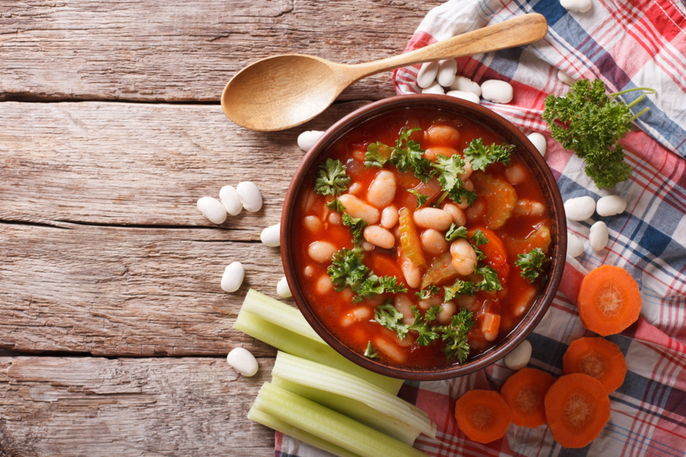
Food to eat
A kidney stone diet should be balanced, varied, and focused on whole, minimally processed foods. Allowed foods include:
-
Fruits such as apples, grapes, watermelon, cantaloupe, bananas, pears, peaches, papaya, and plums
-
Vegetables such as zucchini, broccoli, cauliflower, cucumber, carrots, lettuce, bell peppers, onions, and arugula
-
Whole grains such as oats, quinoa, brown rice, and whole-grain pasta
-
Tubers such as potatoes, sweet potatoes, yams, and cassava
-
Plant-based proteins including lentils and chickpeas
-
Low-fat dairy such as milk, yogurt, and cheese
-
Healthy fats such as olive oil, avocado, chia seeds, and flaxseeds
-
Water, with a goal of 8 cups per day
-
Herbal teas, such as chanca piedra tea (stonebreaker tea), chamomile tea, or mint
Coconut water, natural fruit juices, and soups at lunch or dinner can also help with hydration and overall nutrition.
Foods to avoid
Some foods can increase the risk of kidney stones when eaten in excess, so they should be limited or consumed with caution.
1. Foods high in oxalates
Eating too many high-oxalate foods can increase the risk of calcium oxalate stones. Foods to limit include:
-
Spinach
-
Beets
-
Asparagus
-
Swiss chard
-
Rhubarb
-
Peanuts, walnuts, and dried fruits
-
Cocoa
-
Wheat bran
These foods do not need to be completely eliminated but should be eaten in smaller portions or less frequently.
Cooking these foods and discarding the cooking water may help reduce their oxalate content. Pairing them with magnesium- or calcium-rich foods, such as oats, cheese, or yogurt, can also reduce oxalate absorption in the digestive tract.
2. Excessive animal protein
Eating large amounts of animal protein, such as beef, organ meats, and processed meats, can increase uric acid levels. Uric acid forms when the body breaks down purines, which are found in red meat, organ meats, shellfish, and fish like sardines and anchovies.
High uric acid levels may contribute to kidney stone formation in some people. Instead of eliminating animal protein completely, moderate intake is recommended, especially for those prone to elevated uric acid.
A registered dietitian can help determine the right amount of protein based on health status, activity level, body weight, and medical conditions.
3. Too much salt
Sodium can indirectly contribute to kidney stone formation by increasing the amount of calcium excreted in the urine. When excess urinary calcium binds with oxalate or phosphorus, stones may form.
To help prevent this, it is important to limit salt as well as high-sodium foods like bouillon cubes, sauces, frozen meals, canned foods, fast foods, and processed meats. A daily limit of 2.5 grams of salt is recommended.
Research suggests that the DASH diet, which encourages fruits, vegetables, legumes, low-fat dairy, and whole grains while reducing sodium, sugary drinks, red meat, and processed meats, may help lower stone risk.
4. Too much vitamin C
High doses of vitamin C supplements can increase the risk of calcium oxalate stones in some people because the body converts part of the vitamin into oxalate.
This does not mean vitamin C from food must be avoided. The main concern is excessive supplement use. Vitamin C supplements should not exceed 2000 mg per day.
Vitamin C is found naturally in foods such as oranges, strawberries, kiwis, bell peppers, broccoli, and spinach. These foods are safe when eaten as part of a balanced diet.
5. Excess calcium supplements
Taking too many calcium supplements can increase the risk of stones. Total calcium intake should not exceed 1200 mg per day, and supplements should only be used with medical or dietitian guidance.
Meal plan for kidney stones
The table below shows a sample 3-day meal plan that follows kidney stone diet recommendations:
Portions may vary depending on age, body weight, height, food tolerance, and personal preference.
People with a history of kidney stones, or those with a family history, should follow a balanced diet supervised by a registered dietitian to help prevent new stones from forming.