


Tea for upset stomach, such as fennel and chamomile or lemon balm tea, can help relieve stomach pain, bloating, and cramps due to their calming, digestive, and antispasmodic effects. These natural options support digestion and promote gentle relief for mild discomfort.
An upset stomach can result from anxiety or the use of certain medications, such as antibiotics and laxatives, and is not always a serious condition. However, if symptoms like blood in the stool, severe diarrhea, fever, or shortness of breath occur, it may indicate gastroenteritis, food allergies, or inflammatory bowel disease that require medical attention.
Other helpful natural remedies include homemade oral rehydration solution, which replaces fluids lost from vomiting or diarrhea, and teas such as boldo, bay leaf, and peppermint that support digestion. Each tea offers specific benefits for easing symptoms, but some should be used with caution depending on age, health condition, or pregnancy.
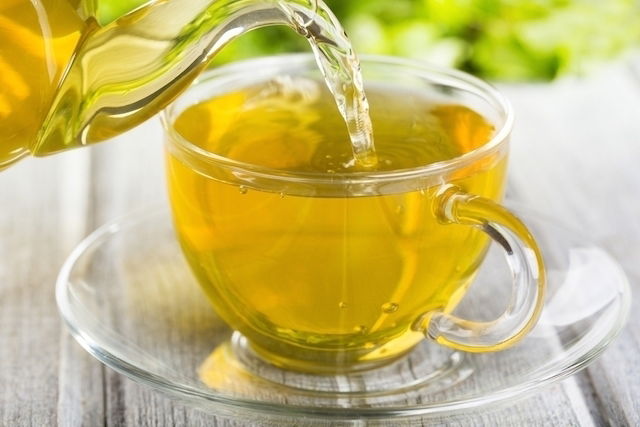
Natural remedies
Teas that can help relieve an upset stomach include:
1. Fennel and chamomile tea
Fennel and chamomile tea is one of the best teas for upset stomach, as it has calming and digestive effects that help relieve cramps and discomfort.
Ingredients:
-
1 tsp of dried chamomile flowers;
-
¼ tsp of fennel seeds;
-
1¼ cups (300 mL) of water.
How to prepare:
Bring the water to a boil, remove from heat, and add the fennel and chamomile. Cover and let steep for 5 minutes. Strain and drink up to 3 cups per day.
Contraindications:
This tea should not be used by people who are pregnant or breastfeeding, children under 12, or people allergic to chamomile, fennel, or related plants such as ragweed, daisies, or chrysanthemums. It should also be avoided by people taking anticoagulants, hormone replacement therapy, or iron supplements.
2. Lemon balm and chamomile tea
Lemon balm and chamomile tea has analgesic, antispasmodic, and calming properties that help ease stomach pain, bloating, and discomfort.
Ingredients:
-
½ tsp dried chamomile flowers;
-
½ tsp dried lemon balm leaves;
-
1 cup of water.
How to prepare:
Boil the water and remove from the heat. Add the herbs, cover, and let steep for 5 minutes. Strain and drink up to 4 cups per day.
Contraindications:
This tea is not recommended for children under 12 or people allergic to chamomile or other related plants. People who are pregnant or breastfeeding, and people taking medication for low blood pressure, should only drink this tea if approved by a doctor or other healthcare professional.
3. Homemade oral rehydration solution
A homemade oral rehydration solution helps prevent dehydration caused by vomiting or diarrhea by replacing lost fluids and electrolytes, promoting recovery from conditions like gastroenteritis.
Ingredients:
-
1 L of water;
-
1 Tbsp sugar (about 20 g);
-
⅓ tsp salt (about 3.5 g).
How to prepare:
Mix all ingredients until completely dissolved. Drink 2 to 3 L throughout the day in small sips, avoiding more than half a cup at a time.
4. Boldo tea
Boldo tea is used to treat indigestion, intestinal cramps, and bloating, as well as to support liver function and reduce intestinal gas, providing natural relief from stomach discomfort.
Ingredients:
-
1 tsp dried boldo leaves;
-
⅔ cup (150 mL) of boiling water.
How to prepare:
Add the chopped boldo leaves to the boiling water, cover, and let steep for 10 minutes. Drink warm 2 to 3 times per day, preferably before and after meals.
Contraindications:
This tea should not be used by people who are pregnant or breastfeeding, or by children. It is also not recommended for people with acute hepatitis, gallstones, bile duct inflammation, pancreatitis, liver or gallbladder cancer, or those taking lithium, acetaminophen, ibuprofen, carbamazepine, phenytoin, simvastatin, anticoagulants, or antifungal medications.
5. Bay leaf tea
Bay leaf tea has anti-inflammatory and antispasmodic properties that help relieve intestinal cramps and mild diarrhea.
Ingredients:
-
1 dried bay leaf;
-
1 cup of water.
How to prepare:
Boil the water, add the bay leaf, and let steep for 10 minutes. Strain and drink up to 4 cups throughout the day.
Contraindications:
This tea is not suitable for people who are pregnant or breastfeeding or for children.
6. Black tea with lemon
Black tea with lemon helps reduce inflammation and improve digestion, easing discomfort and diarrhea associated with an upset stomach.
Ingredients:
-
1 tsp black tea leaves;
-
1 cup of water;
-
Juice of ½ lemon.
How to prepare:
Boil the water, remove from the heat, and add the black tea. Let steep for 5 minutes, strain, and add the lemon juice. Drink up to 3 cups per day.
Contraindications:
Not suitable for children under 12 years old. Because it contains caffeine, it should be consumed with caution by people who are pregnant or breastfeeding and only if approved by a doctor or other healthcare professional.
7. Peppermint tea
Peppermint tea is a safe herbal option that supports digestion and helps relieve mild nausea and stomach cramps. It has antiseptic, soothing, and pain-relieving effects that can ease symptoms of an upset stomach.
Ingredients:
-
1 Tbsp fresh peppermint leaves;
-
⅔ cup (150 mL) of water.
How to prepare:
Boil the water, add the peppermint leaves, and cover for about 10 minutes. Strain and drink up to 3 times per day, preferably after meals.
Contraindications:
This tea is not recommended for children under 5, people who are pregnant or breastfeeding, or people with acid reflux, hiatal hernia, or gallstones.
8. Mutamba tea
Mutamba tea (Guazuma ulmifolia) has antispasmodic properties that help relax the intestinal muscles, relieving cramps and diarrhea.
Ingredients:
-
2 to 3 Tbsp dried mutamba bark;
-
1 L of boiling water.
How to prepare:
Add the dried bark to the boiling water and simmer for 10 minutes. Remove from heat, cover, and let steep for 10 to 15 minutes. Strain and drink 2 to 3 times per day.
Contraindications:
This tea should not be used by people who are pregnant or breastfeeding, children, or people sensitive to caffeine or prone to hypoglycemia.