


A high-fiber diet is easier to follow when daily meals include fruit, whole grains, and vegetables. Simple habits like choosing whole-grain versions of staple foods can make a meaningful difference.
This eating pattern can help relieve constipation, support weight loss goals, and lower the risk of certain cancers. It may also help prevent diabetes or support blood sugar control in people already diagnosed with diabetes.
Recommended daily fiber intake depends on age and sex. Children ages 9 to 13 need about 31 g per day, while adults ages 19 to 50 are generally advised to get about 25 g per day.
How to follow
Some tips for following a high-fiber diet include:
1. Eating 2 to 3 servings of fruit
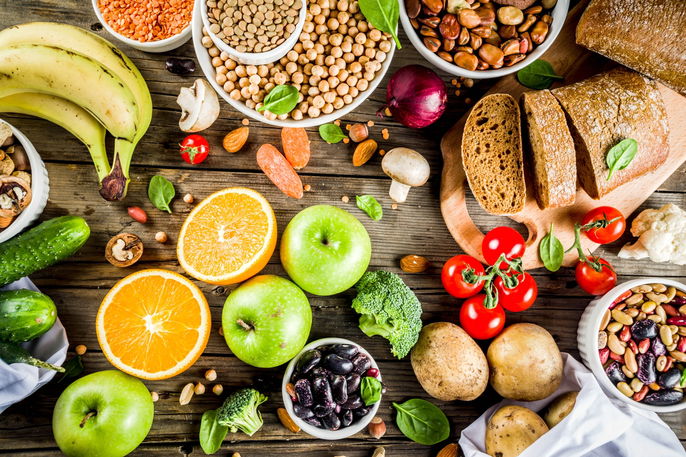
Aim to eat at least 2 to 3 servings of fruit each day, with about 80 g per serving, such as persimmon, apple, guava, coconut, avocado, pear, papaya, and orange.
Fruit is naturally high in fiber and can be eaten with the peel and pulp (when possible). It can be eaten fresh or added to smoothies and salads.
2. Prioritizing whole grains
As part of a high-fiber diet, it is recommended to choose whole grains at meals, such as oats, brown rice, whole wheat flour, whole wheat bread, and whole wheat pasta.
Whole grains can also be used in recipes such as cakes, breads, cookies, pancakes, and pies.
3. Getting 2 to 3 servings of vegetables per day
It is important to eat at least 2 to 3 servings of vegetables each day, such as lettuce, carrots, chicory, chayote, squash, spinach, kale, beets, and zucchini.
These foods are high in fiber and can be included at lunch and dinner in dishes like salads, juices, sautéed vegetables, roasted vegetables, or stews.
Peels and stems can also be used, since these parts often contain more fiber.
4. Eating legumes
Legumes such as beans, lentils, chickpeas, and soybeans are high in fiber and should be included in a high-fiber diet.
Having at least 3 tablespoons of legumes per day can help increase daily fiber intake.
5. Including nuts and seeds in the diet
Nuts such as walnuts, Brazil nuts, peanuts, hazelnuts, and almonds are high in fiber and can be included in a high-fiber diet.
Consuming around 30 g per day of nuts (about a small handful) can help increase fiber intake.
Chia seeds, pumpkin seeds, flaxseed, and sesame seeds are also high in fiber. They are easy options to add to yogurt, fruit, or smoothies.
6. Drinking plenty of fluids
When eating a high-fiber diet, it is also important to drink at least 2 liters of fluids per day, such as water, teas, or coconut water.
This is because fiber needs water to help move through the intestines.
Main benefits
A high-fiber diet may be recommended to:
-
Prevent or relieve constipation;
-
Help with weight maintenance or weight loss;
-
Support intestinal health;
-
Reduce the risk of cancer;
-
Help prevent or control diabetes;
-
Lower blood cholesterol and triglyceride levels;
-
Prevent or improve conditions such as irritable bowel syndrome, diverticulosis, and hemorrhoids.
A high-fiber diet may also be recommended to support treatment of gut dysbiosis, an imbalance in the intestinal microbiota that can cause symptoms such as excess gas, abdominal discomfort, diarrhea, or constipation.
According to the Dietary Guidelines for Americans, high-fiber foods can support a diverse microbiome, which may be beneficial for health.
Meal plan
The table below shows an example of a 3-day high-fiber diet meal plan:
This meal plan is only one example. Portions and foods may need to be adjusted to fit your personal tastes and requirements.
For this reason, it is recommended to consult a registered dietitian for a full evaluation and an individualized meal plan.
Also recommended: High Fiber Foods: Food List, Benefits and Types of Fiber tuasaude.com/en/high-fiber-foods