


Diarrhea during pregnancy is a common symptom, and is usually related to hormonal fluctuations, new food intolerances, or even anxiety about the upcoming due date. If it is not a classic sign of labor, however some women may experience bouts of diarrhea a few days prior to delivering.
If you are experiencing diarrhea during your pregnancy, you are advised to maintain adequate fluid intake and to avoid fatty or triggering foods. You should opt for small portions of food, preferably cooked and lightly seasoned.
If your diarrhea does not improve within 3 days or if you experience additional symptoms, like a fever, bloody stools, abdominal pain or vomiting, you are advised to consult your OBGYN for further assessment and treatment as necessary.
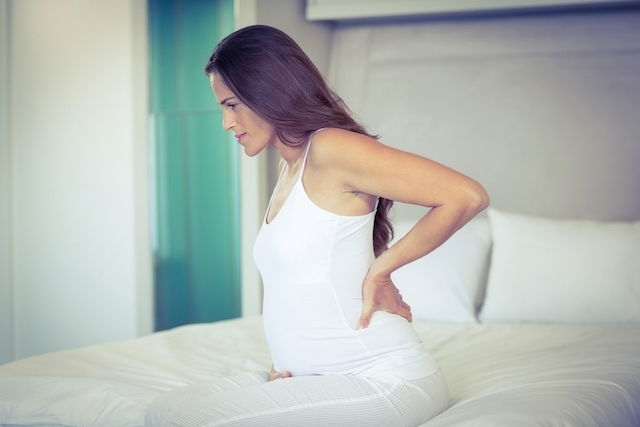
What causes diarrhea during pregnancy?
Diarrhea can generally occur for several reasons, from food poisoning to intestinal worms. However, it is more common for diarrhea during pregnancy to be caused by simple conditions like:
1. Hormonal changes
Natural pregnancy-related hormonal changes can significantly change the way the body works. They can especially affect digestion and intestinal function, and lead to constipation or diarrhea.
How to treat: Hormonal changes during pregnancy are normal and do not require specific treatment. To prevent diarrhea, you should eat small portions throughout the day instead of eating 3 main, large meals, as this promotes more balanced functioning in the gut.
You should also avoid eating naturally laxative foods, like plum, papaya and oats to prevent worsening.
2. Diet changes
Many women may opt to change their diet when pregnant for health-related reasons or to compensate for other symptoms, like vomiting. The new diet can lead to diarrhea, especially in its first few days.
How to treat: To prevent diarrhea, you should reintroduce laxative and high-fiber foods to your diet gradually. Be sure to drink plenty of water to help reduce gut discomfort and prevent diarrhea.
3. Using supplements
The use of supplements during pregnancy is relatively common, as they are often recommended for optimal embryonic development. Even though these supplements are safe and are often prescribed, they can often cause diarrhea and stomach sensitivity, particularly in the first days of use.
How to treat: Diarrhea caused by supplement use should be reported to your OBGYN, who may consider an alternative supplement, adjusting dosing, or changing the times the supplement is taken at.
4. New food intolerances
Among the many changes that pregnant women may undergo, new food intolerances can emerge due to increased intestinal sensitivity to some foods. Foods that were well-tolerated prior to pregnancy can suddenly cause symptoms like increased gas and diarrhea.
How to treat: Reducing intake of the triggering food or fully eliminating it from the body can help to relieve diarrhea and associated symptoms. If you are unsure which food is causing diarrhea, keeping a food diary or talking to your OBGYN or a registered dietitian can be beneficial.
Your OBGYN may order blood and/or stool tests to rule out other possible conditions causing your food intolerance.
5. Anxiety before childbirth
Diarrhea is common in the last trimester of pregnancy, and may be related to the fear or anxiety that the woman may feel with the upcoming labor.
Some women may also experience several bouts of diarrhea days prior to giving birth. This is thought to be related to hormonal changes that prepare the body for labor. Learn more about the signs of labor and when to go to the hospital.
How to treat: Diarrhea from anxiety can be managed with adequate rest and sleep. Light activity as approved by your OBGYN (like walking and stretching exercises) can also be beneficial.
6. Intestinal infection
Intestinal infections from food poisoning can lead to diarrhea during pregnancy. It is usually the result of consuming food or water contaminated by bacteria, parasites or viruses.
In addition to diarrhea, intestinal infections can present with symptoms like a fever, abdominal pain and vomiting.
How to treat: It is recommended to speak to your OBGYN if you think you may have food poisoning. The doctor may order additional tests, like a stool test, to confirm the infection and guide treatment, or to rule out other similar conditions.
To recover from food poisoning, you should drink plenty of fluids and eat a light, easily digestible diet. Some great options include cooked white rice, lightly seasoned white meat and strained smoothies.
Bacterial intestinal infections may require antibiotics for treatment, like vancomycin or metronidazol.
Home care for diarrhea
Most cases of pregnancy diarrhea can be treated at home without medication by eating lighter food and increasing intake of liquids. Here are some other important tips:
- Avoid eating fried food, fatty food, and very spicy food;
- Opt for boiled or grilled food such as rice, chicken, pasta without sauce, rice pudding, or a slice of toast
- Eat poached fruit without the peel such as apple, pear, or banana;
- Drink filtered or boiled water, homemade saline and sugar water solutions, coconut water, or fruit juices.
However, if diarrhea does not improve within three days or if you experience other symptoms such as vomiting or fever (which are signs of food poisoning), you should see your doctor or obstetrician for assessment and possible treatment with medication.
Is it safe to take medication for diarrhea?
Some medication for diarrhea, such as Imodium or Pepto-Bismol are deemed to be safe during pregnancy, however they should only be used as guided by your doctor. This type of medication may end up worsening the situation, depending on the cause of the diarrhea.
When to go to the doctor
You should go to the doctor when diarrhea takes more than three days to resolve or when there are other symptoms, such as:
- Bloody stools;
- Strong abdominal pain;
- Frequent vomiting;
- Fever over 38 °C;
- More than 3 liquid bowel movements in one day;
- More than 2 liquid bowel movements in several days.
If any of these happen, it is important to go to a doctor so that a cause can be identified and appropriate treatment can be initiated.