


The DASH diet is an eating plan mainly used to help control high blood pressure. It focuses on vegetables, fruits, whole grains, legumes, nuts and seeds, lean proteins, and low-fat dairy products.
The DASH diet may help lower blood pressure because it is rich in nutrients like potassium, magnesium, calcium, and fiber.
DASH stands for Dietary Approaches to Stop Hypertension. However, this type of diet may also help control blood sugar, cholesterol, and triglyceride levels.
Main benefits
The main uses and benefits of the DASH diet are:
-
Helping treat high blood pressure
-
Preventing and treating cardiovascular disease
-
Helping control blood sugar levels
-
Reducing the risk of colorectal cancer
Because it increases the intake of fruits, vegetables, milk, and dairy products while reducing saturated fat, the DASH diet may also improve insulin levels, LDL (“bad”) cholesterol, and triglyceride levels.
For this reason, the DASH diet may also be recommended to help treat dyslipidemia, a condition marked by abnormal cholesterol and triglyceride levels. Dyslipidemia may be related to genetics, a high-fat diet, physical inactivity, or type 2 diabetes, for example.
What is the DASH diet?
The DASH diet is based on reducing salt intake and increasing foods rich in potassium, magnesium, calcium, fiber, and lean protein.
These nutrients help the body eliminate sodium through urine, relax blood vessels, and improve blood circulation, which can help lower blood pressure.
According to the National Heart, Lung, and Blood Institute, the DASH eating plan also emphasizes foods that are low in saturated and trans fats.
The DASH diet includes daily servings from different food groups. The number of servings depends on each person’s calorie needs and should be determined by a registered dietitian.
What to eat
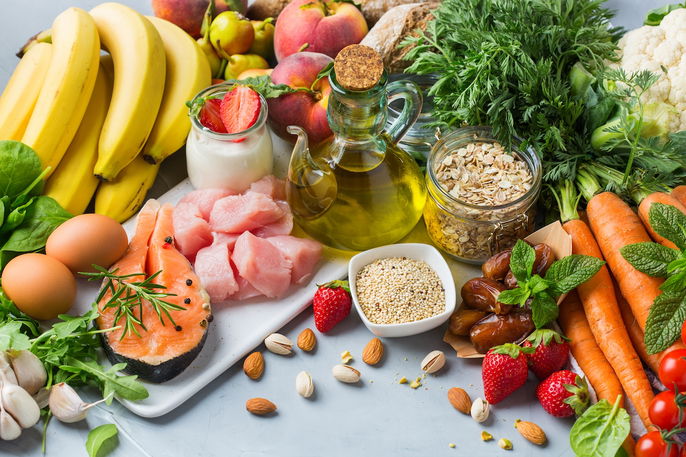
Foods allowed on the DASH diet include:
-
Fruits that contain potassium, magnesium, and fiber, such as apples, apricots, bananas, dates, grapes, oranges, mangoes, cantaloupe, pineapple, strawberries, and tangerines
-
Vegetables rich in potassium, magnesium, and fiber, such as broccoli, kale, potatoes, spinach, Swiss chard, beets, zucchini, tomatoes, and cilantro
-
Whole grains and legumes that provide energy and fiber, such as oats, whole wheat pasta, brown rice, quinoa, chickpeas, lentils, and beans
-
Low-fat dairy products rich in calcium and protein, such as nonfat plain yogurt, fresh white cheese, ricotta cheese, and skim milk
-
Healthy fats, such as Brazil nuts, avocado, peanuts, walnuts, hazelnuts, seeds, and olive oil
-
Lean meats, preferably fish, chicken, turkey, and lean cuts of red meat
-
Fluids, such as water, coconut water, teas, and natural fruit juices
It is also important to exercise regularly, as physical activity helps lower blood pressure, manage weight, and improve overall health.
According to the American Heart Association, an ideal sodium limit for most adults is no more than 1,500 mg per day, especially for people with high blood pressure. This is equal to about 3.75 g of salt.
What to avoid
Foods that should be avoided on the DASH diet include:
-
Foods high in sugar, such as sandwich cookies, soft drinks, chocolate drink mixes, and boxed cake mixes
-
Foods made with refined white flour, such as cookies, pasta, and white bread
-
Foods high in saturated fat, such as fatty cuts of red meat, hot dogs, sausage, and bacon
-
Processed foods, such as canned foods, bouillon cubes, powdered soups, deli meats, ready-made sauces, fast food, and frozen meals
-
Alcoholic beverages
It is also important to read food labels carefully. Foods with more than 20% of the recommended daily value for sodium should not be included in the diet.
DASH diet meal plan
The table below shows an example of a 3-day DASH diet meal plan:
The amounts and types of foods in this meal plan may vary according to age, physical activity level, and overall health. Therefore, it is important to consult a registered dietitian for a complete assessment and a meal plan tailored to your needs.
Can the DASH diet help you lose weight?
The DASH diet may help with weight loss or weight maintenance because it focuses on healthy, filling foods and limits foods high in saturated fat or heavily processed ingredients.
However, weight loss also requires a calorie deficit and regular physical activity.
Additional tips
Some tips for reducing sodium and salt intake include:
- Choose fresh, natural foods. When buying frozen or canned foods, choose options that are low in sodium or have no added salt.
- Read nutrition labels and choose products with the lowest sodium content or no added salt.
- Use herbs, spices, turmeric, cinnamon, lemon, and vinegar to add flavor without extra salt.
- Avoid ready-made sauces, such as ketchup, mustard, mayonnaise, Worcestershire sauce, and soy sauce, as well as salty snacks.
Processed, smoked, and cured meats should also be avoided.
