


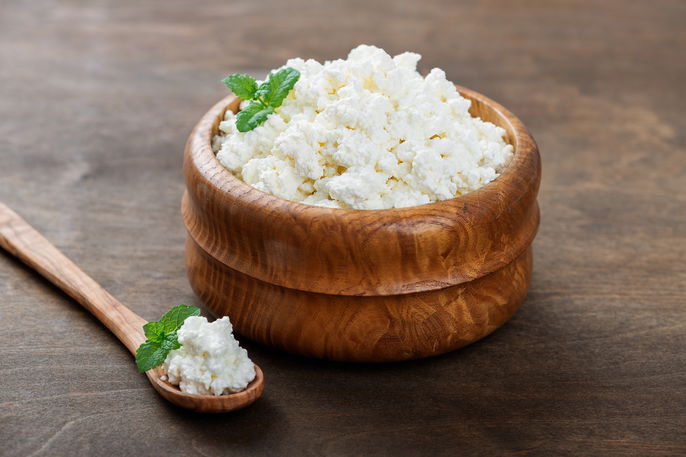
Cottage cheese is a low-calorie dairy product packed with protein, calcium, phosphorus, and potassium. This nutrient profile offers several health benefits, including support for weight loss, muscle growth, and the prevention of insulin resistance.
This cheese features a mild, slightly acidic flavor and a soft texture similar to small curds. It is typically made from cow's milk and is widely available in grocery stores or easily prepared at home.
You can enjoy cottage cheese on its own or mix it into fruits, salads, pastas, and smoothies. It serves as a versatile ingredient that fits perfectly into a healthy, balanced daily diet.
Main benefits
The primary health benefits of cottage cheese include:
1. Weight loss support
Cottage cheese is an excellent tool for anyone pursuing a balanced diet or trying to lose weight. It is one of the lowest-calorie and lowest-fat cheeses available today.
The high protein content, specifically casein, helps increase feelings of fullness and satiety. This naturally leads to reduced calorie intake throughout the day, which supports sustainable weight loss.
2. Muscle mass development
Cottage cheese is a high-quality source of protein essential for building and repairing muscle tissue. Because of this, it is a popular snack choice for both pre-workout energy and post-workout recovery.
Consuming cottage cheese before bed can be particularly effective for athletes. The casein protein is digested slowly, which helps maintain a steady metabolism and supports muscle fiber repair while you sleep.
Also recommended: 16 Best Muscle-Building Foods to Gain Mass (w/ 3-Day Meal Plan) tuasaude.com/en/muscle-building-foods3. Insulin resistance prevention
The vitamin B12, selenium, and calcium found in cottage cheese are vital nutrients for metabolic health. These components help improve insulin sensitivity and may reduce the risk of developing type 2 diabetes.
Additionally, cottage cheese has a low glycemic index, meaning it does not cause rapid spikes in blood sugar. This makes it a safe and nutritious dairy option for individuals managing diabetes. Check-out other low glycemic foods you can add to your diet.
4. Stronger bones
Including cottage cheese in your diet can help strengthen your skeletal system and maintain long-term bone density. It provides a concentrated source of calcium and phosphorus.
These two minerals are the primary building blocks of bone tissue. Regular consumption ensures your body has the necessary raw materials to keep your bones resilient and healthy.
5. Blood pressure management
Cottage cheese is rich in potassium, a mineral that helps the walls of the blood vessels relax. This process reduces tension in the cardiovascular system and allows blood to flow more easily.
By helping to lower systemic pressure, potassium plays a key role in managing hypertension. Choosing low-sodium cottage cheese versions can further enhance these heart-healthy benefits.
Difference between cottage cheese and ricotta
While they look similar, cottage cheese consists of the actual curds from the milk. In contrast, ricotta is a cheese byproduct traditionally made from the whey left over during the cheesemaking process.
Both options provide excellent amounts of protein and calcium for your diet. However, cottage cheese is generally lower in calories and contains less fat than ricotta.
Nutritional information
The following table outlines the nutritional values for a 100g serving (approximately 5 level tablespoons) of cottage cheese:
To maximize these health benefits, cottage cheese should be part of a balanced diet and an active lifestyle.
How to consume cottage cheese
Cottage cheese is incredibly versatile and can be spread on whole-grain toast, tossed into green salads, or used as a base for savory pie fillings. It also works well in healthy breakfast crepes or pancakes.
While there is no strict limit on intake, a general serving suggestion for cheese is roughly 20 to 25 grams. This is equivalent to about 1 to 2 tablespoons per serving as part of a meal.
Individual nutritional needs vary based on your specific health goals and physical condition. It is always a good idea to consult with a registered dietitian to determine the right portion sizes for your body.
How to make homemade cottage cheese
You can make fresh cottage cheese at home using just three simple ingredients:
Ingredients:
-
1 quart (approx. 1 liter) skim milk
-
6 tablespoons (90 mL) lemon juice
-
Salt to taste
Preparation:
Heat the milk in a pot until it reaches approximately 175°F to 195°F. Add the lemon juice and keep the pot over low heat for 5 minutes. Remove from the heat, add salt, and stir gently until you see the milk begin to separate into curds.
Once cool, pour the mixture into a strainer lined with cheesecloth or a very thin, clean towel. Let it sit and drain for 1 hour.
At this stage, you will have moist curds. To create a firmer texture, tie the cloth and hang it to drain for 4 hours at room temperature, or leave it in the refrigerator overnight.
Healthy recipes with cottage cheese
Try these nutritious recipes to incorporate more cottage cheese into your routine:
1. Cottage cheese rolls
Ingredients:
-
14 oz (400 g) cottage cheese
-
5 oz (150 g) grated mild white cheese (such as Monterey Jack)
-
1.5 cups sour tapioca starch
-
1/2 cup quick oats
-
4 egg whites
-
Salt to taste
Preparation:
Preheat your oven to 350°F. Combine all ingredients in a bowl and mix by hand until a dough forms. Shape into small balls, place on a greased baking sheet, and bake until the tops are golden brown.
2. Cottage cheese breakfast crepe
Ingredients:
-
2 eggs
-
2 tablespoons hydrated tapioca starch
-
1 tablespoon cottage cheese
Preparation:
Whisk the ingredients together in a small bowl. Pour the mixture into a non-stick skillet over medium heat and cover. Cook until golden, then flip to brown the other side before serving.
3. Spinach and cottage cheese quiche
Ingredients:
Crust:
-
1.5 cups cooked chickpeas
-
2 tablespoons olive oil
-
2 teaspoons salt
Filling:
-
3 whole eggs
-
4 egg whites
-
1/5 cup chopped fresh spinach
-
1/2 teaspoon salt
-
1 cup cottage cheese
-
Black pepper to taste
Preparation:
Preheat the oven to 400°F. Pulse the crust ingredients in a food processor until smooth, then press the mixture into a pie pan. Pre-bake the crust for 10 minutes. Whisk the filling ingredients together, pour into the crust, and bake for an additional 20 to 25 minutes. Let it cool slightly before slicing.