


Artichoke benefits are linked to its high fiber, vitamin C, and antioxidant content. This medicinal plant contains flavonoids and bioactive compounds that support digestion, liver function, and overall metabolic health.
Artichoke benefits also include helping lower LDL cholesterol and blood glucose levels, which may reduce the risk of heart disease, obesity, and diabetes. Its inulin fiber promotes fullness, supports gut bacteria, and may aid in healthy weight management.
Artichoke benefits extend to reducing fluid retention, supporting blood pressure control, and relieving symptoms of indigestion and constipation. Artichokes can be eaten cooked or grilled, prepared as tea, or taken as supplements under professional guidance.
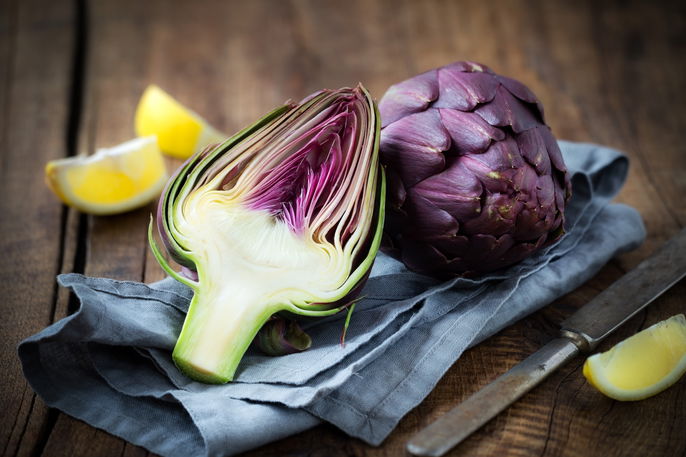
Health benefits
Artichokes can offer many health benefits, such as:
1. Promoting weight loss
Artichokes are high in inulin, a type of fiber found in many vegetables. Because inulin is digested slowly, it helps you feel full for longer, which may support weight loss by reducing hunger.
Because artichokes are low in calories and help reduce fluid retention, they make an excellent addition to weight-loss diets.
2. Lowering cholesterol
Because they are rich in fibers such as inulin and pectin, artichokes help reduce fat absorption and promote its elimination through the stool. According to the American Heart Association, dietary fiber can help lower cholesterol levels, which supports overall heart health.
Furthermore, artichokes are rich in antioxidants such as flavonoids, carotenoids, and vitamin C. These compounds help neutralize free radicals and prevent the buildup of fatty plaques in the bloodstream, thereby reducing the risk of atherosclerosis.
3. Preventing diabetes
Artichokes have a low glycemic index thanks to their high fiber and protein content, which help regulate blood glucose and insulin levels and may reduce the risk of diabetes.
Also recommended: Glycemic Index Chart: Low, Medium & High GI Foods tuasaude.com/en/glycemic-index-chart4. Managing high blood pressure
Eating foods rich in potassium, such as artichokes, increases urine production. According to the American Heart Association, potassium helps blunt the effects of sodium, and higher potassium intake can help the body lose more sodium through urine, which supports healthy blood pressure.
Artichokes are rich in antioxidants such as flavonoids and carotenoids, which help reduce the excessive production of free radicals. This protective effect supports arterial health and helps prevent high blood pressure.
5. Reducing wrinkles and sagging skin
Rich in bioactive compounds such as vitamin C, flavonoids, and carotenoids, artichokes help fight free radicals and support collagen production, reducing factors that lead to wrinkles and skin flaccidity.
Artichokes are also rich in fiber, which helps regulate blood sugar levels, reduce cellular inflammation, and, as a result, minimize skin flaccidity and premature aging.
6. Detoxing the liver
Artichokes are a rich source of antioxidants, including flavonoids and polyphenols, which support liver health and help the body eliminate toxins through urine, stool, and sweat.
Because artichokes help protect and support liver function, they may also ease indigestion symptoms such as nausea, fatigue, and abdominal discomfort.
7. Relieving constipation
Artichokes are high in fiber and water, which help add bulk to stool and stimulate regular bowel movements. This makes artichokes excellent natural laxatives.
Artichokes are also rich in inulin, a type of prebiotic fiber that nourishes beneficial gut bacteria and helps maintain a healthy intestinal flora.
Nutrition facts
The following table provides nutritional information based on a 100 g serving of cooked artichokes:
It’s important to note that the benefits of artichokes can only be achieved when they’re included as part of a lifestyle that also involves regular physical activity and a healthy, balanced diet.
How to consume
Artichokes can be eaten fresh, grilled, or sautéed, and added to pasta, salads, or juices. Their leaves can be used to make tea or taken in supplement form.
Artichoke supplements in capsule form may be taken with a glass of water, either before or after your main meals. The recommended daily dosage ranges from 400 mg to 6000 mg.
It’s important to use artichoke supplements under the guidance of a doctor or a qualified health professional experienced in medicinal plants.
Side effects and contraindications
People with gallbladder problems, hepatitis, or liver cancer should avoid consuming artichokes unless advised otherwise by their doctor. This plant is also not recommended for individuals taking anticoagulant medications, as some of its compounds may reduce the effectiveness of these drugs.
Artichokes in normal food amounts are generally considered safe for most pregnant or breastfeeding people and for children, but high‑dose artichoke supplements or extracts should only be used under medical advice.
Some people may experience side effects from artichoke supplements or teas, such as abdominal pain, diarrhea, gas, nausea, weakness, or heartburn.
Healthy recipes
Take advantage of artichoke benefits by trying some of the healthy recipes below:
1. Artichoke tea
Ingredients:
- 1 liter of water ;
- 1 teaspoon (5 to 6 g) of dried artichoke leaves.
Directions:
Boil water in a pot or kettle, then remove it from the heat. Add the artichoke leaves and steep for 5-10 minutes. Strain the infusion, let it cool, and drink up to 3 cups daily.
2. Grilled artichoke
Ingredients:
- 2 large artichokes;
- 1 lemon;
- ¼ cup of olive oil;
- 4 garlic cloves;
- 1 liter of filtered water;
- 1 teaspoon of salt;
- ½ teaspoon of black pepper.
Directions:
Fill a pot with water, place it on high heat, and add ½ teaspoon of salt. Cut the artichoke stalks close to the base, then rub them with lemon to prevent darkening. Trim the tips off with a knife and snip the pointed ends of the leaves using scissors. Cut the artichoke in half lengthwise and remove the fuzzy choke from the center. Finally, wash the artichokes thoroughly under running water.
Once the water is boiling, add the artichokes to the pot and squeeze in some fresh lemon juice. Cover the pot and boil for 25 to 30 minutes, or until the artichokes are tender and soft.
Rinse the artichokes thoroughly under running water. In a bowl, squeeze the remaining lemon juice and whisk it together with the black pepper, olive oil, and the rest of the salt to make a marinade. Toss the artichokes in this mixture to coat them evenly.
Heat a nonstick frying pan over medium-high heat, add the artichokes, and sauté for 5 to 10 minutes, flipping them occasionally and brushing on any leftover marinade from the bowl. Cook until the tips of the artichoke leaves begin to darken and crisp. Let the artichokes cool slightly before serving.