


Yes, peaches are good for you because they are low in calories and have a low glycemic index. They are also rich in water and provide fiber, vitamin C, and carotenoids, such as beta-carotene.
Eating peaches regularly can help increase fullness, improve bowel function, and support healthy blood sugar and cholesterol levels. They also contain antioxidant compounds, such as chlorogenic acid, anthocyanins, and flavonoids, which help protect cells from damage caused by free radicals.
Peaches can be eaten fresh, preferably with the skin, or added to recipes such as iced tea, salads, cakes, mousses, and yogurt parfaits. They are especially easy to find during the summer.
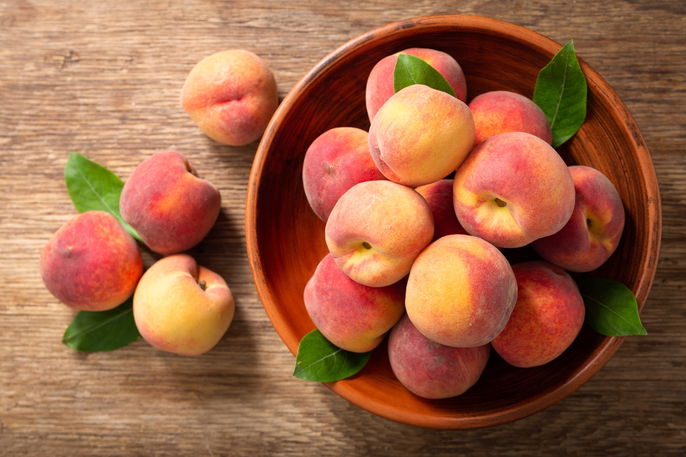
Health benefits of peaches
Peaches offer several health benefits, including supporting weight loss, improving bowel function, helping control blood sugar levels, and promoting healthy skin.
The main health benefits of peaches include:
1. Supporting weight loss
Peaches can support weight loss because they are low in calories, with about 60 calories per medium-sized peach, and contain nearly 90% water.
They also provide fiber, which helps slow digestion, increase feelings of fullness, and reduce hunger between meals.
For these reasons, peaches can be a healthy snack for people trying to lose weight, especially when included in a balanced, calorie-controlled diet.
2. Improving bowel function
Peaches contain both soluble and insoluble fiber, which help regulate bowel movements and prevent constipation.
Also recommended: High Fiber Foods: Food List, Benefits and Types of Fiber tuasaude.com/en/high-fiber-foodsSoluble fiber, such as pectin, absorbs water and forms a gel in the intestines, helping soften stools. Insoluble fiber adds bulk to stools and makes them easier to pass.
In addition, the fiber in peaches helps nourish beneficial gut bacteria, supporting a healthy gut microbiome and overall digestive health.
3. Helping control blood sugar
Fresh peaches have a low glycemic index, meaning they generally cause a slower, more gradual increase in blood sugar levels. Their fiber content also helps slow the absorption of naturally occurring sugars.
Also recommended: 20 Low Glycemic Foods (& 3-Day Meal Plan for Low GI Diet) tuasaude.com/en/low-glycemic-foodsEating whole fruits regularly is associated with a lower risk of developing type 2 diabetes. Some laboratory studies also suggest that polyphenols found in peaches may improve insulin sensitivity, although more research in humans is needed.
People with diabetes can include peaches in their diet, preferably eating them fresh and with the skin on. Peaches canned in syrup and peach juice should be limited, as they may contain more sugar and provide less fiber.
4. Lowering "bad" cholesterol
Peaches contain soluble fiber, which helps reduce LDL ("bad") cholesterol levels by binding to bile acids in the intestines and promoting their elimination through stool.
To replace these bile acids, the liver uses cholesterol from the blood, which may help lower circulating LDL cholesterol levels.
Peaches also contain antioxidants, such as flavonoids and anthocyanins, which help protect LDL cholesterol from oxidation. This process is involved in the buildup of fatty plaques in the arteries, a condition known as atherosclerosis.
5. Helping control blood pressure
Peaches provide potassium, a mineral that helps regulate blood pressure by supporting sodium elimination through urine and promoting the relaxation of blood vessel walls.
Adequate potassium intake is associated with lower blood pressure, particularly in people who consume high amounts of sodium.
Although peaches contain some potassium, they are not among the richest sources. For greater benefits, they can be combined with other potassium-rich foods, such as bananas, beans, avocados, and leafy greens, as part of a balanced, low-sodium diet.
6. Protecting cells against damage
Peaches contain antioxidants, including vitamin C, beta-carotene, chlorogenic acid, and flavonoids, which help protect cells from damage caused by free radicals and oxidative stress.
Some laboratory studies suggest that compounds found in peaches may slow the growth of certain cancer cells, including breast and colon cancer cells.
However, these findings have not been confirmed in humans. Therefore, peaches should be included as part of a healthy, balanced diet rather than considered a way to prevent or treat cancer.
7. Keeping skin healthy
Peaches contain vitamin C, an essential nutrient for collagen production. Collagen is a protein that helps maintain skin firmness, strength, and elasticity.
In addition, antioxidants found in peaches help protect skin cells against oxidative damage caused by free radicals, which contributes to premature skin aging.
8. Maintaining eye health
Peaches contain beta-carotene, an antioxidant that the body converts into vitamin A, a nutrient essential for maintaining healthy vision, particularly in low-light conditions.
They also provide small amounts of lutein and zeaxanthin, carotenoids that help protect the macula, the central part of the retina responsible for sharp, detailed vision.
Higher dietary intake of lutein and zeaxanthin has been associated with a lower risk of advanced age-related macular degeneration, a condition that affects central vision.
9. Strengthening the immune system
Peaches contain vitamin C, which supports the normal function of immune cells and helps maintain the skin's protective barrier against harmful microorganisms.
Vitamin C also acts as an antioxidant, protecting immune cells from damage caused by free radicals.
Although peaches are not particularly rich in vitamin C, including them in a varied diet alongside other fruits and vegetables can help support normal immune function.
Peach nutrition facts
The following table shows the nutritional information for 100 g of fresh, raw yellow peaches with the skin on and for one medium-sized peach (about 150 g):
Peaches canned in heavy syrup contain more calories and carbohydrates than fresh peaches due to added sugar. They may provide about 74 calories and 20 g of carbohydrates per 100 g, depending on the product.
When buying canned peaches, it is best to choose those packed in water or their own juice, without added sugar.
To enjoy the health benefits of peaches, they should be included in a healthy, balanced diet along with regular physical activity.
How to eat peaches
Peaches can be eaten fresh as a snack or dessert, or added to oatmeal, yogurt, smoothies, and salads.
Whenever possible, peaches should be eaten with the skin on, as it provides additional fiber and antioxidants.
Before eating, peaches should be washed thoroughly under running water, gently rubbing the skin to remove dirt and residue.
Peaches can be left at room temperature to ripen. They are ready to eat when they give slightly under gentle pressure. Once ripe, they can be stored in the refrigerator for about 3 to 5 days.
The seed inside the peach pit should not be eaten, as it contains amygdalin, a compound that can release cyanide when digested and cause poisoning.
Frequently asked questions
-
Neither fruit is healthier than the other; they simply have different nutritional profiles.
Peaches have fewer calories and less sugar, with about 39 calories and 8.4 g of sugar per 100 g, compared to about 89 calories and 12 g of sugar in the same amount of banana.
Bananas, on the other hand, provide more fiber and almost twice as much potassium. Including both fruits in a varied diet is the best way to obtain the benefits of each one.Read more: Are Bananas Good For You? 12 Benefits, Nutrition & Recipes
-
Peaches are classified into three types according to how the flesh attaches to the pit: clingstone, in which the flesh sticks to the pit; freestone, in which the flesh separates easily; and semi-freestone, which is a mix of both.
Peaches can also have yellow or white flesh. Both types have similar nutritional value, but yellow peaches usually contain more beta carotene, the pigment responsible for their color.
Healthy peach recipes
Peaches can be used in a variety of healthy recipes, including refreshing drinks, salads, cakes, and desserts.
1. Peach iced tea
Ingredients:
- 4 ripe peaches;
- 4 black tea bags;
- 1 lemon;
- 1 orange;
- 4 cups (about 1 L) of water;
- 1 to 2 tablespoons of honey (optional).
Directions:
Bring the water to a boil, remove from the heat, and add the tea bags. Cover and let steep for 5 minutes, then remove the tea bags.
Wash and chop the peaches, then mash or blend them into a puree. Add the peach puree to the tea, along with the washed and thinly sliced lemon and orange.
Add honey, if desired, and stir well. Refrigerate until chilled and serve over ice.
2. Peach and arugula salad
Ingredients:
- 1 peach;
- 1 cup of arugula;
- 4 oz (about 115 g) of fresh mozzarella;
- 1 tablespoon of balsamic vinegar;
- 2 teaspoons of olive oil;
- Salt and black pepper to taste.
Directions:
Wash the peach and arugula thoroughly. Slice the peach and cut the mozzarella into cubes.
Place the arugula, peach slices, and mozzarella in a bowl. Drizzle with balsamic vinegar and olive oil, season with salt and black pepper, and toss gently before serving.
3. Peach almond cake
Ingredients:
- 5 tablespoons (70 g) of softened butter;
- 3 eggs;
- 1 cup (100 g) of almond flour;
- 1 teaspoon of baking powder;
- Stevia or another sweetener to taste;
- 4 fresh peaches, thinly sliced.
Directions:
Preheat the oven to 350°F (180°C) and grease an 8-inch cake pan.
Using an electric mixer, beat the butter and sweetener until creamy. Add the eggs one at a time, beating well after each addition.
Turn off the mixer and gently fold in the almond flour and baking powder using a spatula until combined.
Pour the batter into the prepared pan and arrange the peach slices on top. Bake for 35 to 40 minutes, or until a toothpick inserted into the center comes out clean.
Allow the cake to cool before serving.
4. Peach mousse
Ingredients:
- 2 peaches, chopped;
- ¾ cup (about 180 mL) of low-fat milk;
- 2 tablespoons of powdered milk;
- ½ tablespoon of unflavored gelatin;
- 1 teaspoon of vanilla extract;
- Stevia to taste;
- Cinnamon to taste.
Directions:
Pour ⅓ cup (about 80 mL) of cold milk into a small saucepan and sprinkle the gelatin over it. Let stand for 5 minutes to allow the gelatin to soften.
Heat over low heat, stirring until the gelatin dissolves completely, without bringing the mixture to a boil. Remove from the heat and let cool slightly.
Add the peaches, vanilla extract, powdered milk, sweetener, and remaining milk to a blender. Blend until smooth, then add the dissolved gelatin and blend again until well combined.
Pour the mixture into individual serving bowls and refrigerate for at least 3 hours, or until set.
Sprinkle with cinnamon before serving.
Possible side effects
Peaches are generally safe for most people. However, they can cause allergic reactions in some individuals, particularly those with allergies to certain types of pollen or other fruits.
Symptoms of a peach allergy may include itching or swelling of the lips, mouth, or throat, hives, and vomiting. In severe cases, peaches may trigger anaphylaxis, a potentially life-threatening allergic reaction that can cause difficulty breathing and requires immediate emergency medical attention.
People with pollen allergies may also experience itching or tingling in the mouth and throat after eating raw peaches. This reaction is known as oral allergy syndrome, or pollen-food allergy syndrome.
Cooked or canned peaches may be better tolerated by some people with this condition. However, anyone who experiences an allergic reaction to peaches should consult an allergist for proper evaluation and guidance.
