


Apples are a highly nutritious fruit that offer a range of health benefits. They help prevent cardiovascular diseases, manage diabetes, relieve constipation, slow down premature aging, and strengthen the immune system. Apples are rich in bioactive compounds such as carotenoids and flavonoids, which have antioxidant properties.
In addition to their antioxidants, apples are a great source of fiber and have a low glycemic index. This combination helps prolong feelings of fullness and reduces hunger throughout the day, which can support weight loss.
There are different types of apples, such as Granny Smith, Gala, and Fuji, which can be eaten raw or used in recipes for fruit salad, smoothies, jams, or savory dishes like salads or vinaigrettes. The peel of the apple can also be used to make tea.
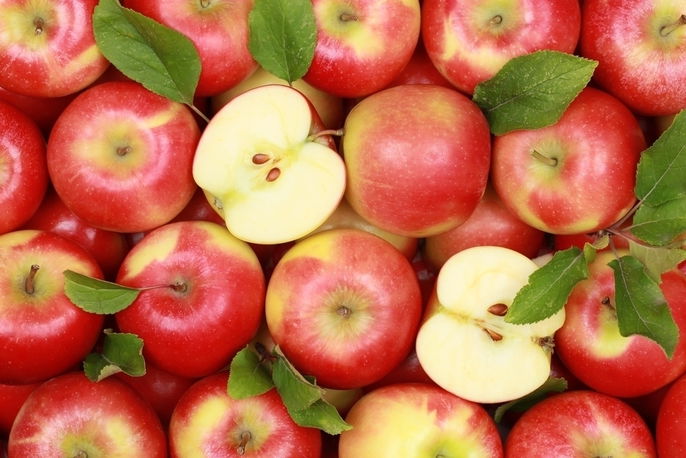
Health benefits
The key benefits of regular apple consumption include:
1. Preventing cardiovascular diseases
Apples are rich in pectin, a type of fiber that reduces fat absorption, helping to lower cholesterol levels in the blood and prevent cardiovascular conditions like heart attack, atherosclerosis, and stroke.
Additionally, apples contain flavonoids and carotenoids, antioxidants that prevent the oxidation of fat cells, supporting healthy cholesterol levels, particularly by lowering LDL (bad) cholesterol.
2. Preventing and managing diabetes
Apples provide significant amounts of polyphenols, antioxidants that protect pancreatic cells from damage caused by free radicals, improving insulin function and preventing insulin resistance and diabetes.
The fiber in apples also helps regulate blood sugar by reducing sugar absorption, supporting stable glucose levels.
Also recommended: 15 Fruits For Diabetics (& Fruit to Avoid) tuasaude.com/en/best-fruits-for-diabetics3. Supporting weight loss
Apples are high in fiber and water, both of which prolong a feeling of fullness that can help reduce hunger and support weight loss.
They are also low in calories, making them an excellent choice for inclusion in weight loss diets.
4. Relieving constipation
Apples contain fiber such as cellulose, hemicellulose, lignin, and pectin, which help increase water absorption in the intestines, promoting healthy bowel movements.
Pectin is a prebiotic fiber that serves as a food source for good bacteria in the gut, helping to balance the intestinal flora and relieve constipation.
5. Balancing blood pressure
Rich in potassium, apples help the body eliminate excess sodium through the urine, contributing to blood pressure regulation.
The antioxidants found in apples also support arterial health and enhance blood circulation, helping to prevent high blood pressure.
6. Helping to treat gastritis and ulcers
The fiber in apples, particularly pectin, forms a gel-like substance that protects the stomach lining, neutralizing the damage caused by excess stomach acid, which can help treat gastritis and gastric ulcers.
The catechins and carotenoids in apples also have antimicrobial properties that may assist in combating Helicobacter pylori (H. pylori), a bacterium responsible for gastritis, ulcers, and stomach cancer.
7. Preventing cancer
Polyphenols in apples have antioxidant and anti-inflammatory properties that help prevent cellular damage caused by free radicals, potentially reducing the risk of certain cancers, such as lung, breast, and colon cancer.
8. Helping prevent cavities
Apples contain malic acid, a compound that boosts saliva production and inhibits the growth of plaque-causing bacteria, helping to prevent cavities.
9. Preventing Alzheimer’s disease
Apples contain flavonoids like quercetin, which protect brain cells from oxidative stress caused by free radicals, potentially reducing the risk of Alzheimer’s disease.
These flavonoids also improve blood circulation and reduce inflammation in the brain, which can enhance memory and prevent dementia.
10. Protecting against premature aging
Due to their high antioxidant content, apples protect the skin from damage caused by free radical damages, helping prevent sagging skin and wrinkles.
The fiber in apples also prevents the formation of advanced glycation end-products (AGEs), compounds that cause inflammation and accelerate aging, often formed from consuming foods with a high glycemic index.
11. Helping combat anxiety
Apples contain prebiotic fiber, specifically pectin, which feeds beneficial gut bacteria, helping to maintain a healthy gut flora. A balanced gut flora is essential for managing anxiety and supporting mental well-being.
12. Strengthening the immune system
The carotenoids and flavonoids found in apples help protect and enhance the function of immune cells, defending against infections and illnesses like colds and the flu.
13. Preventing asthma and rhinitis
Apples contain quercetin, a flavonoid that strengthens immune cells and reduces inflammation-causing cells, helping to prevent conditions like asthma, rhinitis, and bronchitis.
14. Helping relieve symptoms of joint pain and inflammation
Consuming apples daily may help relieve symptoms of gout and joint pain. The anti-inflammatory properties of apples, along with their vitamin C content, can reduce pain and lower uric acid levels in the body, preventing its buildup.
15. Preventing fluid retention
Apples are high in water and potassium, which provide diuretic effects that help eliminate excess fluids from the body, reduce swelling, and detoxify the system.
Read more about natural diuretics.
How to eat
Apples have a flavor profile that ranges from sweet to tart. They can be eaten raw, preferably with the skin on, or used in dishes such as salads, desserts, or even savory dishes. Apples are also great in juices, smoothies, or as part of a healthy breakfast.
Nutrition facts
The following table provides nutritional information based on one medium-sized apple (150g), both with and without the skin:
Healthy recipes
Some simple and healthy apple recipes to enjoy include:
1. Apple peel tea
Ingredients:
-
Peels from 4 apples;
-
1 L of water;
-
1 cinnamon stick;
-
1 Tbsp lemon juice.
Preparation:
Wash and peel the apples. Add all ingredients to a pot and bring to a boil. Let simmer for 10 to 15 minutes, then cool, strain, and serve.
2. Baked apples with cinnamon
Ingredients:
-
4 apples;
-
¾ cup water;
-
Ground cinnamon to taste.
Preparation:
Wash the apples and place them in a baking dish with ¾ cup of water. Bake at 350°F (175°C) for about 30 minutes or until the apples are tender. Let cool, sprinkle with cinnamon powder, and serve.
3. Green apple vinaigrette
Ingredients:
-
½ green (Granny Smith) apple;
-
1 tomato;
-
1 tsp fresh chopped ginger;
-
3 Tbsp diced palm heart;
-
Juice of 1 lemon;
-
2 Tbsp olive oil;
-
2 Tbsp white vinegar;
-
Fresh parsley and mint to taste;
-
1 tsp salt.
Preparation:
Wash the apple, tomato, and herbs. Dice the apple, tomato, and palm heart. Combine all ingredients in a bowl, mix well, and refrigerate for 1 hour before serving.