


Aloe vera is a medicinal plant that may help relieve pain and promote skin healing in first- and second-degree burns. It contains mucilaginous (gel-forming) polysaccharides, growth factors that stimulate fibroblast activity, as well as minerals and compounds with anti-inflammatory, antiseptic, and wound-healing properties.
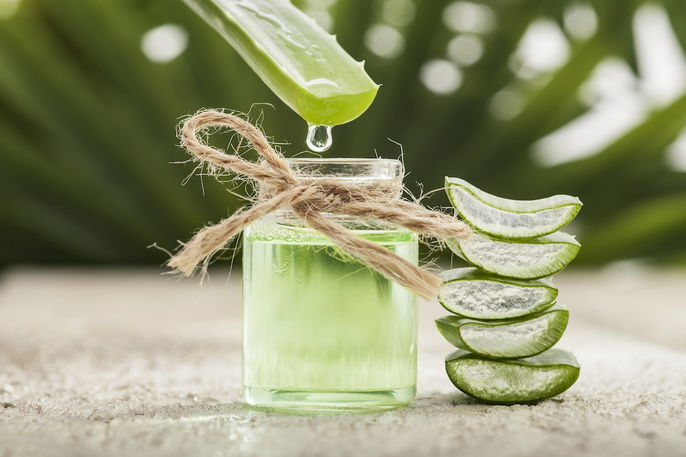
The part of the aloe vera plant used for burns is the clear gel from inside the leaves. The outer leaf skin should not be used because it can have toxic effects. Before using the gel, do an allergy test by applying a small amount to the back of the hand and waiting about 2 hours; if the skin becomes red or irritated, do not use on the affected skin.
Aloe vera can be found in natural health stores, compounding pharmacies, and some farmers markets and grocery stores. It can also be easily grown at home because it does not require special care.
Why it works
Aloe vera is considered good for burns because it contains substances such as:
-
Mucilaginous polysaccharides, such as glucomannans and mannans: increase skin moisture and stimulate the production of collagen and elastin fibers, leaving the skin more elastic, less wrinkled, and smoother;
-
Fibroblast growth hormone, such as gibberellin: interacts with fibroblast growth receptors, stimulating activity and proliferation, which increases collagen production and helps with skin regeneration and healing;
-
Anti-inflammatory compounds, such as C-glycosyl chromone, aloin, and aloesin: reduce the production of prostaglandins, which are responsible for inflammation, easing symptoms;
-
Antihistamine compounds, such as barbaloin: reduce redness, swelling, and skin discomfort;
-
Antiseptic compounds, such as barbaloin, lupeol, salicylic acid, urea nitrogen, cinnamic acid, phenols, and sulfur: help keep the skin clean and prevent infections caused by fungi, bacteria, or viruses;
-
Analgesic compounds, such as aloin: help relieve burn symptoms on the skin, such as pain or discomfort, and also help with skin healing;
-
Minerals, such as zinc: have an astringent effect that helps tighten the skin’s pores.
The greatest benefits of aloe vera were seen when creams containing the plant were applied to the skin, accelerating healing and re-epithelialization while relieving burn symptoms.
One study reported that aloe vera is particularly effective for treating first- and second-degree burns. However, more research is needed, and it should be used only under medical supervision.
How to apply
To use aloe vera as first aid for burns:
-
Cut an aloe vera leaf in half;
-
Remove the gel from inside the leaf, which is the clear part found in the fleshy portion of the leaf;
-
Apply a thin layer of gel over the burn, avoiding areas where there is any wound or opening in the skin.
Aloe vera gel should only be applied to intact skin, as using it on open wounds may encourage bacterial growth and increase the risk of infection.
Aloe vera is also available in creams and lotions sold in pharmacies and some supermarkets, which should likewise be used only on intact skin. In any form, aloe vera can be applied three to four times daily to help promote skin healing.
Also recommended: What to Put on a Burn: 8 Creams + Ointments (& How to Treat) tuasaude.com/en/what-to-put-on-a-burnContraindications for use
Aloe vera should not be taken by mouth, as it can cause liver damage, especially if the gel contains traces of the leaf’s outer layer. For this reason, aloe vera should only be ingested under the supervision of a doctor or a qualified herbal medicine professional.
In addition, aloe vera should not be applied to third-degree burns or open wounds. People who are allergic to aloe vera should also avoid using it, so it’s important to do an allergy test before applying the product.
The use of aloe vera should be avoided in children, as well as in people who are pregnant or breastfeeding.